There is a particular moment when a room feels finished.
It is rarely when the sofa arrives or the curtains finally go up. More often, it happens later, when the practical decisions are done and something less necessary enters the space: a painting, a lamp, a stack of books, a bowl of lemons on the kitchen table.
Or flowers.
Put dark red roses into a pale living room and the room suddenly feels more dramatic. Place a few white calla lilies on a glass table and the same space becomes sharper and calmer. Bring in loose garden flowers and an interior that felt carefully styled five minutes ago becomes softer and more lived-in.
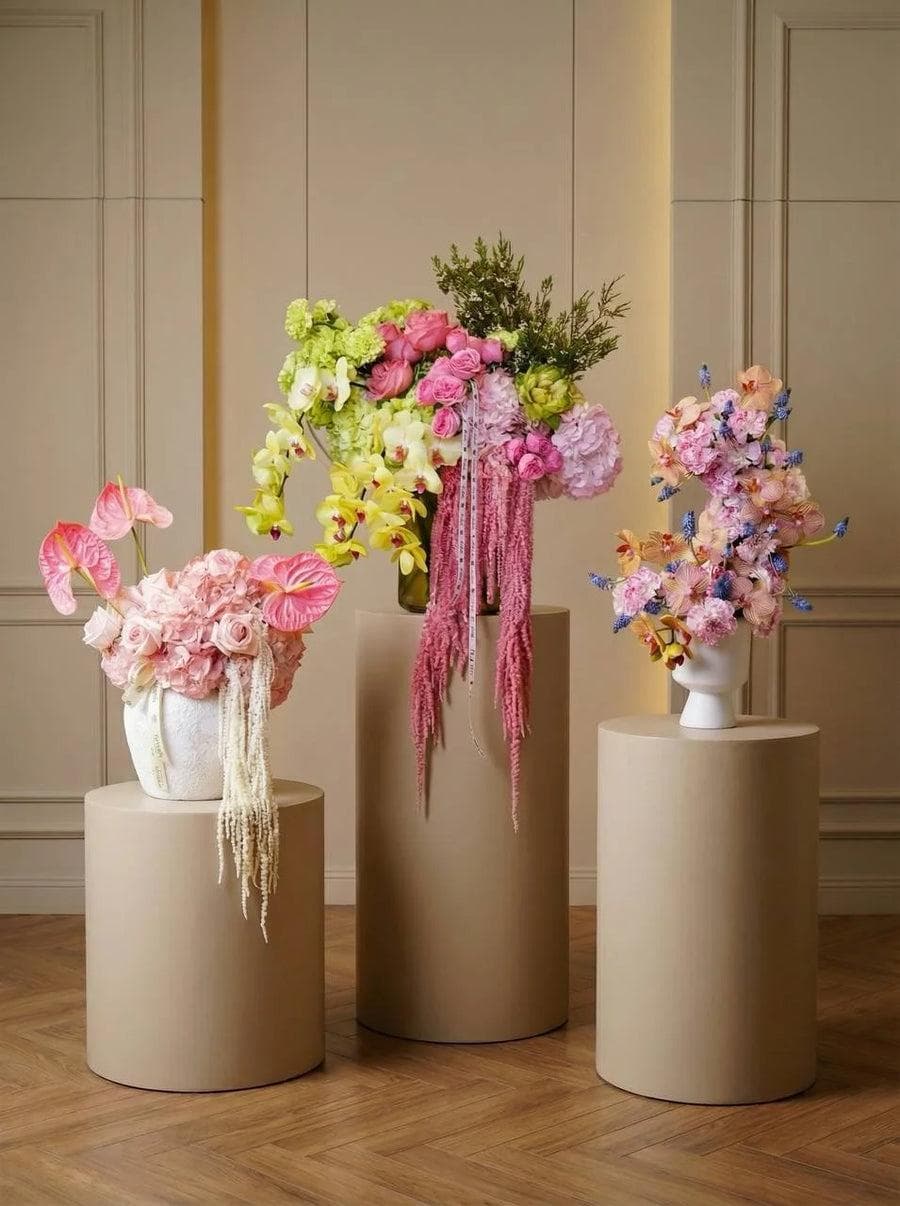
This is why choosing flowers for a home is increasingly closer to styling than simply decorating. Contemporary florists such as ROSEMIA Flowers create arrangements that can work as visual features in their own right, introducing color, height and texture without changing anything permanent in the room.
Nothing has really changed, yet somehow the room has.
Start With the Room, Not the Bouquet
Most of us choose flowers by looking at the flowers first. For the home, it can be more interesting to reverse the process.
Look at the room.
Is it warm or cool? Minimal or layered? Does it need color, or is there already plenty happening? Are the walls covered with art and objects, or is the space dominated by a few large pieces?
A colorful room may benefit from a simple arrangement in one shade. A neutral interior can usually handle something much more dramatic. In a room full of patterns, greenery or white flowers can provide visual relief. Against a plain wall, an unusual floral silhouette can become almost sculptural.
Matching isn't always the goal, either.
A severe contemporary interior can look beautiful with romantic garden roses. A traditional room can suddenly feel fresher with something architectural and minimal.
The flowers don't have to belong perfectly. Sometimes the contrast is exactly what makes them interesting.
Color Changes More Than We Think
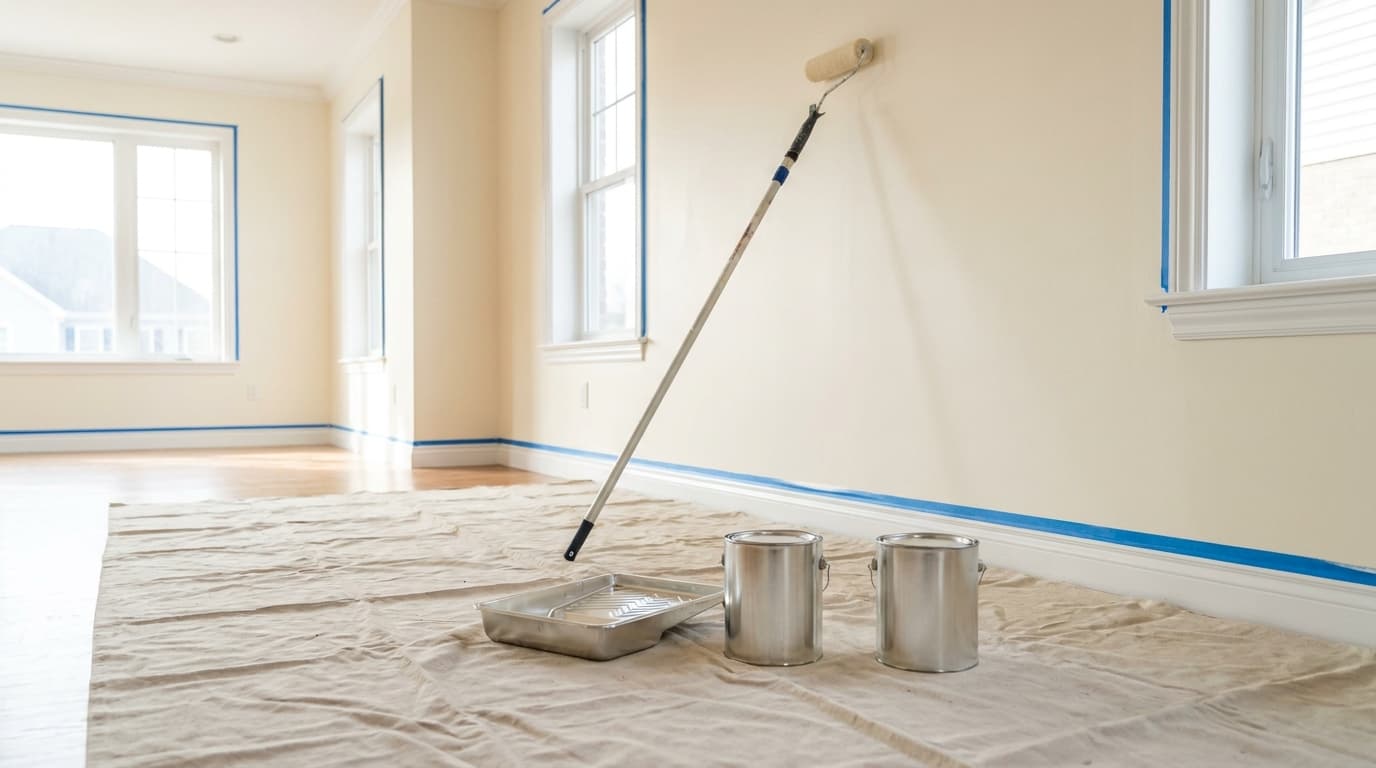
Anyone who has agonized over two almost identical shades of wall paint knows how much color affects a room.
Flowers can do the same thing, with considerably less commitment.
Reds, oranges and deep pinks bring warmth and energy. Whites and greens tend to quiet a space. Burgundy, plum and other dark shades create depth, particularly against cream or pale walls.
Pastels can soften a room, but their effect depends entirely on the surroundings. Pale pink flowers in a romantic bedroom reinforce the mood. Put the same flowers against concrete or dark wood and suddenly they feel contemporary.
Monochromatic arrangements are particularly effective in interiors because they behave almost like blocks of color.
Instead of introducing six competing shades, a single-color bouquet makes one confident statement.
And if you discover that purple really doesn't work in your living room after all, the experiment lasts a week rather than until the next renovation.
Scale Can Make or Break the Effect
A tiny bouquet in the middle of a huge dining table often looks accidental. An enormous arrangement on a small coffee table can make everyone sitting around it feel as though they are talking through a hedge.
Scale matters.
Large rooms can absorb generous arrangements, particularly on kitchen islands, consoles and long dining tables. Smaller spaces often benefit from fewer, better-chosen stems.
Height changes the effect too.
Tall branches or flowers draw the eye upward and can emphasize ceiling height. Low arrangements spread visually across a surface and feel more intimate, making them particularly useful on dining tables.
Then there is negative space.
A floral arrangement doesn't need to be dense to have presence. Three sculptural stems with enough room around them can sometimes command more attention than a traditional bouquet containing 30.
More flowers don't automatically mean more impact.
Don't Forget the Vase
The vase is responsible for far more of the final result than we tend to admit.
Clear glass almost disappears and lets the flowers dominate. Ceramic introduces texture. A dark vase makes pale flowers more graphic, while a narrow neck forces stems into a cleaner, more upright silhouette.
Proportion matters here as much as it does with furniture.
An arrangement that looked beautiful at the florist can become strangely awkward when squeezed into a vase that is too short or allowed to disappear into one that is too large.
Think of the vase, flowers and surface beneath them as one composition.
A loose arrangement in a handmade ceramic vessel on an old wooden table tells one story. The same flowers in polished glass on marble tell another.
Every Room Wants Something Different
The dining table may be the obvious home for flowers, but it isn't always the most interesting one.
An entryway can handle drama. It is the first impression of the home, so a generous arrangement or tall seasonal branches can establish the mood immediately.
Bedrooms tend to suit something quieter. A few flowers on a bedside table can make the room feel considered without turning it into a hotel lobby.
Kitchens are surprisingly forgiving. Herbs, branches, tulips and informal seasonal flowers often work better there than elaborate arrangements because the room already has movement and activity.
Bathrooms are often overlooked altogether. Yet a single flower or small arrangement can make even a very functional bathroom feel intentional.
The trick is not to repeat the same bouquet everywhere. Let each room have its own scale and personality.
Flowers Make a Home Feel Lived In
Perhaps the most appealing thing about decorating with flowers is that they resist perfection.
Furniture stays where we put it. Art remains fixed to the wall. Flowers change every day.
Tulips bend toward the window. Roses open. Peonies become almost comically large. A stem drops a petal onto the table.
That movement brings something into an interior that expensive furniture alone cannot provide: life.
And then the flowers disappear.
It might seem strange to describe something temporary as part of interior design, but that impermanence is precisely what makes flowers so useful. They allow a room to change with the season, a dinner, a mood or simply a whim.
You can be a minimalist this week and fill the house with ridiculous amounts of color the next.
Good interiors aren't museums. They evolve with the people living in them.
Sometimes all it takes to see the room differently is a vase of flowers.

Nick Guli
Nick Guli is the founder and editor-in-chief of Explosion.com, which he launched in February 2012. With over a decade of experience in digital publishing, Nick oversees editorial direction across entertainment, gaming, technology, and lifestyle content. He is an avid gamer and movie enthusiast who brings a critical eye to coverage of industry trends, game reviews, and entertainment news.