Repainting can renew a home's appearance, protect vulnerable surfaces, and correct signs of everyday wear. Although choosing a color is an important part of the process, lasting results depend equally on preparation, product selection, application, and drying conditions. A thoughtful plan can help homeowners avoid peeling, uneven coverage, and unnecessary rework.
The project may include interior rooms, cabinets, exterior siding, trim, doors, or outdoor features. Each surface has different requirements, so a single method will not work everywhere. Evaluating the condition and material of every area helps determine what repairs, primers, paints, and tools will be needed.
Inspect and Prepare Every Surface
Before painting begins, walls and other surfaces should be checked for cracks, holes, stains, loose coatings, mildew, and moisture damage. Applying new paint over these problems may hide them briefly, but they can soon affect the finish. Repairs should be completed before cleaning, sanding, priming, or painting.
Interior walls often require dust removal and gentle washing, especially in kitchens and bathrooms where grease or residue may accumulate. Glossy finishes may need light sanding to help the new coating adhere. Painter's tape, drop cloths, and protective coverings can keep paint away from floors, outlets, hardware, and nearby furnishings.
Select Paint for the Location
Paint should be chosen according to the surface and its surroundings. Interior products are designed for indoor conditions, while exterior coatings must withstand sunlight, precipitation, temperature changes, and other environmental exposure. Bathrooms, kitchens, and laundry areas may also benefit from products intended for rooms with elevated moisture.
Finish affects appearance and maintenance. Flat or matte paint can soften the look of walls but may be less resistant to repeated cleaning. Satin and semi-gloss finishes are often easier to wipe down, making them practical for trim, doors, and busy household areas. Testing samples under natural and artificial light can reveal how a color changes throughout the day.
Refresh Cabinets Without Rebuilding the Kitchen
Cabinet repainting can update a kitchen without changing its entire footprint. Doors and drawer fronts should be removed, labeled, cleaned, and prepared carefully before paint is applied. Skipping these steps can cause adhesion problems, especially when surfaces have collected cooking oils or cleaning-product residue.
According to This Old House, cabinet updates involving paint, replacement doors, and new hardware make up nearly 40% of kitchen projects, compared with only 25% devoted to full gut renovations. This difference indicates that many homeowners favor focused improvements over complete reconstruction. A cabinet refresh can deliver a noticeable visual change while preserving a functional existing layout.
Approach Exterior Painting Strategically
Exterior painting requires close attention to weather and surface conditions. Paint should not be applied when rain, excessive humidity, or unsuitable temperatures could interfere with adhesion and curing. Damaged siding, deteriorated caulk, and loose paint should be addressed before the new coating is added.
According to 2025 real estate analyses, homes with newly painted exteriors may sell as many as 45 days sooner, while curb appeal shapes 94% of buyers' initial impressions. Fresh paint can make a property appear cleaner and better maintained before a prospective buyer steps inside. However, color choices should still complement the home's architecture, roof, permanent materials, and surrounding properties.
Include Fences and Outdoor Features
Fences, railings, doors, and other outdoor elements may require repainting even when the home's main exterior remains in acceptable condition. These surfaces experience moisture, sunlight, dirt, and physical contact, which can gradually weaken their protective coatings. Peeling paint or exposed material should be addressed before deterioration spreads.
According to HomeGuide, fences that are not made from 99% iron require recurring painting and sealing to prevent rust. Following the appropriate maintenance schedule helps protect the material from moisture exposure. Rust spots should be treated properly before primer and paint are applied, since covering corrosion without preparation will not resolve the underlying problem.
Apply Paint With Care
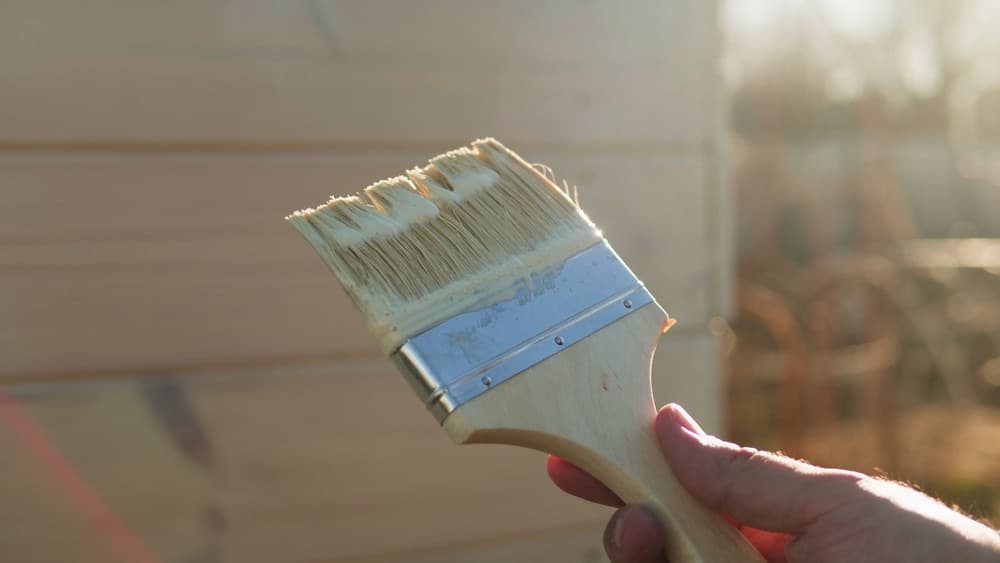
Paint should be stirred thoroughly and applied in controlled, even coats. Cutting in around edges before rolling larger areas can create cleaner coverage. Multiple thin coats generally produce a smoother result than one heavy coat, which may drip, sag, or dry unevenly.
Drying and recoat times should follow the manufacturer's directions. Furniture, hardware, cabinet doors, and wall decorations should not be replaced prematurely because uncured paint can stick or become marked. Proper ventilation is also important during interior work.
Maintain the New Finish
After repainting, homeowners can extend the finish's life through gentle cleaning and prompt touch-ups. Keeping leftover labeled paint makes it easier to repair small scratches or chips. Exterior surfaces should be inspected periodically for cracking, fading, moisture problems, or exposed material.
A successful repainting project combines careful preparation with materials suited to each surface. By planning the work in manageable stages, homeowners can improve appearance, protect important features, and achieve results that remain attractive for years.

Nick Guli
Nick Guli is the founder and editor-in-chief of Explosion.com, which he launched in February 2012. With over a decade of experience in digital publishing, Nick oversees editorial direction across entertainment, gaming, technology, and lifestyle content. He is an avid gamer and movie enthusiast who brings a critical eye to coverage of industry trends, game reviews, and entertainment news.