A few ants near the back door or a single spider in the basement does not necessarily justify calling a professional. Many minor pest problems can be handled with basic home maintenance, sanitation, traps or carefully selected products. The calculation changes when pests keep returning, appear throughout the house or leave signs suggesting the visible problem is only part of the story.
Knowing where DIY pest control stops being practical can save homeowners from spending weeks treating symptoms while an infestation grows elsewhere. The type of pest, its location and the extent of the activity are often better indicators than the number of insects you happen to see.
Know When DIY Is Enough
Small, isolated problems are often reasonable DIY territory. Removing accessible food, repairing a torn window screen, eliminating standing water or sealing an obvious gap can sometimes solve the underlying problem without extensive treatment. Homeowners using pesticides should always follow label directions, including instructions concerning children, pets and application areas.
Location also affects what homeowners encounter, since climate and local pest populations vary widely. Whether you need pest control in Houston, D.C. or Miami, wherever you live, call in the big guns when the problem extends beyond something you can confidently identify and manage. Repeated sightings after DIY treatment are a particularly useful warning that the source has not been addressed.
A spray may kill the insect standing in front of you. It cannot automatically explain where that insect came from or whether hundreds more are somewhere you cannot reach.
Some Pests Raise the Stakes
Termites, bed bugs and rodents are examples of problems that can warrant professional attention because detection and control may be complicated. Termites can remain concealed while feeding on wood and other cellulose materials, while rodents may travel through walls, attics and other inaccessible spaces.
Bed bugs present a different challenge. They can hide in tiny spaces around sleeping and resting areas, and successful treatment requires more than spraying the first insect you find. Misidentifying the pest or treating only one area can waste time while the problem persists.
Professional help is also sensible when pesticides would need to be applied in difficult locations or when homeowners are uncertain which product is appropriate. Mixing products, exceeding labeled amounts or assuming more pesticide means better results can create unnecessary risks without solving the infestation.
Look Beyond Visible Activity
Recurring pest activity often indicates that insects or rodents have found what they need to remain on the property. Food, moisture, shelter and access points can all contribute, and eliminating visible pests without addressing those conditions may produce only temporary relief.
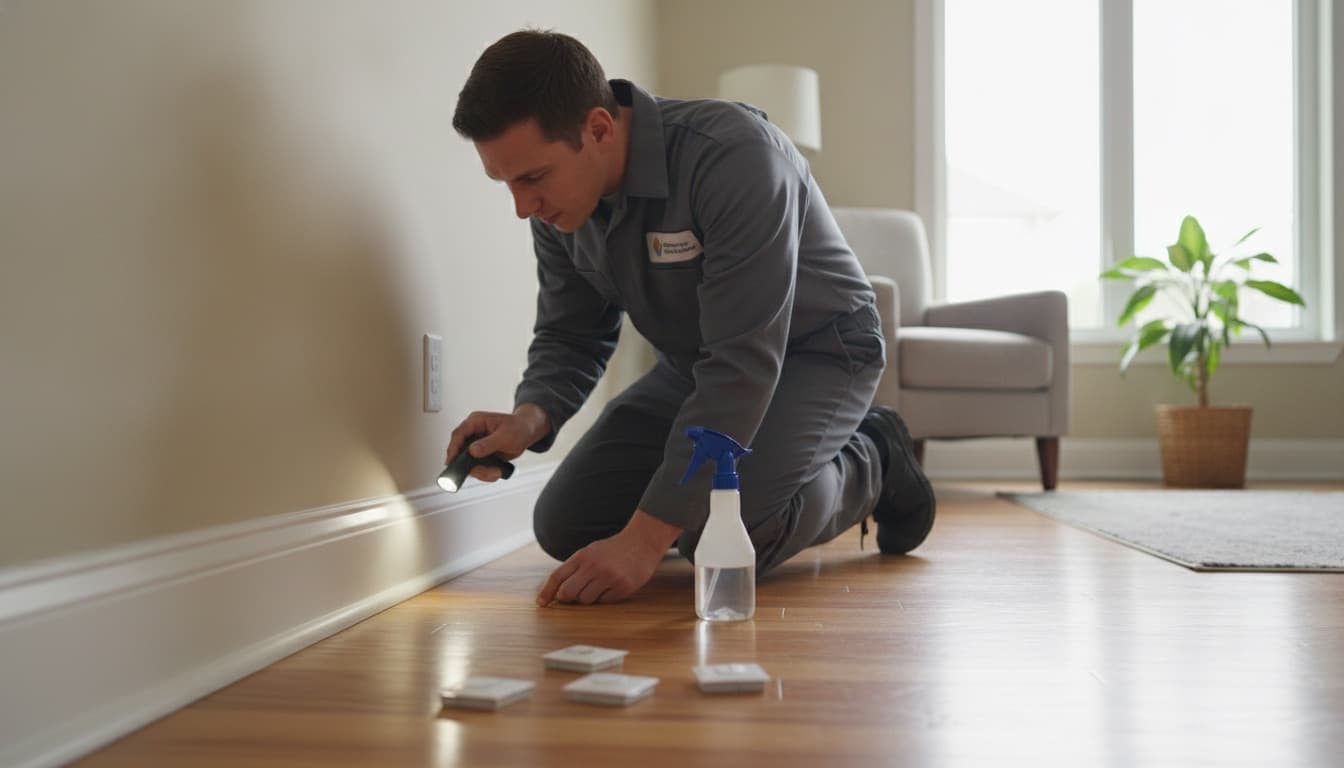
Finding hidden pests at home may require looking beyond kitchen counters and bathroom floors. Attics, crawl spaces, wall voids, cabinets, garages and areas around plumbing can provide protected spaces where activity is less obvious. Professionals can inspect for signs such as droppings, damage, nesting material, entry points and conditions that encourage infestations.
Homeowners can perform their own basic inspection, too. Check weatherstripping, screens, gaps around utility lines and areas where moisture accumulates. The objective is not merely to find bugs. It is to understand what is allowing them inside and helping them stay.
Repeated Treatments Add Up
DIY pest control can look inexpensive when comparing the price of one trap or spray with a professional visit. The economics change when homeowners repeatedly purchase products that fail to resolve the source of the problem.
Consider what the DIY approach actually requires. There is the cost of products, time spent applying them and the possibility of repairing damage if an infestation continues unnoticed. A professional service may include inspection, pest identification, treatment recommendations and measures intended to reduce future activity.
That does not mean every pest sighting needs a service contract. It means price comparisons should account for the entire problem rather than the cost of a single can, bait station or trap.
Prevention Is Part of Control
Long-term pest management begins with making the home less inviting. Store food securely, clean spills and crumbs, address leaks, reduce clutter where appropriate and keep exterior vegetation from creating easy pathways into the house. Inspect doors, windows and penetrations for gaps that pests can use.
Professional pest control becomes particularly valuable when prevention requires expertise about pest behavior and likely entry points. An expert can help distinguish between an occasional visitor and evidence of a larger infestation, then recommend treatment based on what is actually present.
DIY methods have a legitimate place in home maintenance, but persistence is the dividing line. When pests repeatedly return, remain difficult to identify or appear to be established inside the structure, professional treatment can move the focus from killing what you see to solving the reason it keeps showing up.

Nick Guli
Nick Guli is the founder and editor-in-chief of Explosion.com, which he launched in February 2012. With over a decade of experience in digital publishing, Nick oversees editorial direction across entertainment, gaming, technology, and lifestyle content. He is an avid gamer and movie enthusiast who brings a critical eye to coverage of industry trends, game reviews, and entertainment news.