Your HVAC system plays a major role in keeping your home comfortable throughout the year. Because heating and cooling equipment can also represent a significant household investment, homeowners have plenty of reasons to keep these systems operating as efficiently and reliably as possible.
Fortunately, extending the life of an HVAC unit does not always require major upgrades. Routine maintenance, clean filters, proper airflow, smart thermostat use, and timely repairs can all help reduce unnecessary strain on the system. The more consistently homeowners care for their equipment, the better chance they have of avoiding premature breakdowns.
Schedule an AC Tune-Up Every Year
Preventive maintenance is one of the most important steps homeowners can take to protect their HVAC equipment.
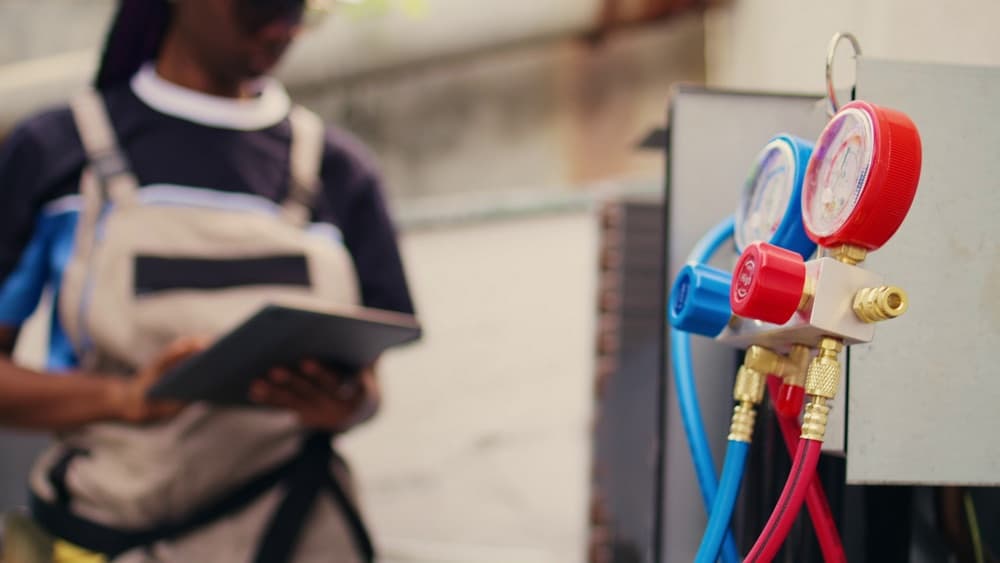
According to Angi, most experts recommend getting an AC tune-up at least once per year. During a tune-up, an HVAC technician can inspect the system, check electrical components, clean important parts, evaluate refrigerant-related concerns, and look for signs of wear. Catching smaller problems early may prevent them from turning into more expensive repairs later.
Scheduling maintenance before the hottest part of the year can also help make sure the system is prepared for periods of heavy use.
Annual service is especially important for older equipment that may already be experiencing more wear.
HVAC Installation and Repair Represent a Major Part of the Industry
The size of the repair and installation market shows how important professional service is to maintaining heating and cooling systems.
According to Benchmark International, HVAC installation and repair account for around 60% of industry revenue. Homeowners regularly depend on professionals for everything from routine repairs to complete system replacements. This makes choosing a qualified HVAC contractor an important part of protecting the equipment.
A reliable technician can help homeowners determine whether a problem requires a simple repair or whether a larger upgrade is necessary.
Professional installation also matters because even high-quality equipment may perform poorly if it is improperly sized or installed.
Understand How Long HVAC Systems Typically Last
HVAC equipment can remain in service for many years when it is properly maintained.
According to CNET, an HVAC system usually lasts 15 to 20 years, and in some cases even longer. Actual lifespan depends on the type of system, climate, usage, installation quality, and maintenance history. Equipment that runs constantly in extreme temperatures may experience more wear than a system used under milder conditions.
Homeowners with aging systems should pay attention to increasing repair frequency, unusual noises, inconsistent temperatures, and rising energy bills.
These signs may indicate that the system is becoming less efficient or approaching the end of its useful life.
Change Air Filters Regularly
A dirty filter can create unnecessary strain on an HVAC system.
Filters collect dust, pet hair, and other particles before they move through the equipment. As the filter becomes clogged, airflow can decrease, and the system may have to work harder to heat or cool the home.
Homeowners should check filters frequently and follow manufacturer recommendations for replacement.
Homes with pets, heavy dust, or frequent HVAC use may need more frequent changes.
Replacing filters is a simple and relatively inexpensive task that can support airflow, efficiency, and overall system performance.
Keep Vents and Registers Clear
Blocked vents can interfere with how effectively conditioned air moves through the home.
Furniture, rugs, curtains, and other items should not cover supply or return vents.
Homeowners should periodically walk through each room and make sure air can move freely.
If certain areas still feel much warmer or colder than others, there may be an issue involving ductwork, airflow balance, insulation, or the HVAC equipment itself.
Professional evaluation can help determine the cause.
Keep the Outdoor Unit Free of Debris
Central air conditioning systems typically rely on an outdoor condenser unit that needs adequate airflow.
Leaves, grass clippings, weeds, dirt, and other debris can collect around the equipment.
Homeowners should keep the surrounding area clear and trim vegetation that grows too close to the unit.
The equipment should also be protected from accidental damage caused by lawn tools or falling branches.
Keeping the area clean can support proper operation and make maintenance visits easier for technicians.
Use Your Thermostat Strategically
Thermostat habits can have a major effect on how often HVAC equipment runs.
Setting the temperature extremely high or low may cause the system to operate for longer periods than necessary.
Programmable and smart thermostats can help homeowners manage temperatures more efficiently throughout the day.
For example, the system may be adjusted while the house is empty and returned to a comfortable setting before residents arrive.
Reducing unnecessary runtime can help lower energy use while also reducing wear on system components.
Seal Air Leaks Around the Home
HVAC efficiency depends partly on how well the home retains conditioned air.
Gaps around windows, doors, and other openings can allow heated or cooled air to escape.
Homeowners can inspect these areas for drafts and replace worn weatherstripping or caulk where appropriate.
Attics and other poorly sealed areas may also contribute to energy loss.
The less conditioned air that escapes, the less frequently the HVAC system may need to operate to maintain the desired temperature.
Improve Insulation
Insulation helps separate indoor temperatures from outdoor conditions.
Homes with inadequate insulation may gain heat quickly during summer and lose heat during winter.
That forces HVAC equipment to operate longer and more often.
Improving attic or wall insulation can reduce the amount of work required from the system.
Homeowners considering major efficiency improvements may want to have insulation levels evaluated along with their HVAC equipment.
Pay Attention to Unusual Noises
A change in sound can be an early warning sign of a mechanical problem.
Rattling, grinding, squealing, banging, or other unusual noises should not simply be ignored.
Some sounds may indicate loose components, worn motors, damaged belts, or other problems.
Continuing to operate equipment with a mechanical issue may lead to additional damage.
Having the system inspected early may turn what could become a major repair into a smaller one.
Address Repairs Promptly
HVAC problems rarely improve on their own.
A system that is struggling to maintain temperature, cycling unusually often, or producing weak airflow may be experiencing a developing problem.
Waiting too long can place additional stress on other components.
Prompt repairs can help restore normal performance while protecting the rest of the system.
Homeowners should also avoid repeatedly resetting breakers or ignoring recurring shutdowns without determining the underlying cause.
Maintain the Ductwork
Ducts play a major role in transporting conditioned air throughout the home.
Leaks, disconnected sections, or damaged insulation can allow air to escape before reaching its destination.
This can make the HVAC system run longer while rooms remain uncomfortable.
Homeowners who notice weak airflow, unusual dust, or major temperature differences between rooms may want to have ductwork inspected.
Sealing significant leaks can improve system performance without replacing the main equipment.
Keep Indoor Humidity Under Control
Humidity can influence how comfortable a home feels.
Excessive humidity may make warmer temperatures feel even hotter, causing homeowners to lower the thermostat and increase AC use.
A properly functioning HVAC system can help manage humidity, but some homes may need additional solutions.
Ventilation, dehumidification, and moisture control can help create a more comfortable indoor environment without relying entirely on lower thermostat settings.
This may reduce unnecessary cooling demand.
Protect the System During Renovations
Construction and remodeling projects can introduce large amounts of dust and debris into the home.
If the HVAC system runs during dusty work, particles may enter vents, filters, ducts, or equipment.
Homeowners should talk with contractors about protecting the HVAC system during renovation.
Filters may need to be checked and replaced more frequently after construction.
Taking precautions can prevent renovation debris from creating unnecessary strain on the equipment.
Know When Replacement Makes More Sense
Maintenance can extend the useful life of an HVAC system, but eventually every unit reaches a point where replacement becomes more practical.
Frequent repairs, high energy bills, inconsistent comfort, and advanced age may all indicate that replacement should be considered.
A newer, more efficient system may reduce operating costs and provide more consistent performance.
Homeowners should compare repair costs with the age and condition of the equipment before making a decision.
A qualified HVAC professional can help explain the options.
Consistent Care Can Help Your HVAC System Last Longer
Improving HVAC efficiency and longevity usually comes down to consistent maintenance rather than one major action.
Annual tune-ups, regular filter changes, proper airflow, sealed leaks, good insulation, and timely repairs can all reduce unnecessary stress on the equipment.
Homeowners should also monitor their systems for changes in performance and address concerns before they become emergencies.
With proper care, HVAC equipment can provide reliable heating and cooling for many years while operating more efficiently throughout its service life.

Nick Guli
Nick Guli is the founder and editor-in-chief of Explosion.com, which he launched in February 2012. With over a decade of experience in digital publishing, Nick oversees editorial direction across entertainment, gaming, technology, and lifestyle content. He is an avid gamer and movie enthusiast who brings a critical eye to coverage of industry trends, game reviews, and entertainment news.