Getting a realistic sense of what a painting project will cost helps you budget appropriately and evaluate whether an estimate is fair. Several factors influence the final price, and understanding them makes it easier to compare quotes from different contractors.
Square Footage and Surface Area
The most obvious cost driver is simply how much surface area needs to be painted. This includes not just wall space but ceilings, trim, doors, and any other surfaces included in the project scope. Contractors typically calculate square footage carefully during their initial walkthrough, which is one reason an in-person estimate tends to be more accurate than a rough phone quote.
Surface Condition and Prep Work
Homes with extensive existing damage, peeling paint, water stains, or significant patching needs will cost more to paint than a surface in good condition, since prep work often takes longer than the actual painting. This is one of the biggest variables between estimates, and it's worth asking specifically how much of your quote reflects prep versus application.
Paint Quality and Product Selection
Premium paints generally cost more per gallon but often require fewer coats and hold up longer, which can make them a better value over time despite the higher upfront cost. Specialty finishes, such as high-gloss trim paint or textured wall treatments, also add to material and labor costs compared to standard flat or eggshell finishes.
Number of Rooms and Complexity
Rooms with high ceilings, extensive trim work, or intricate architectural details take longer to paint carefully, which increases labor costs. Multiple color changes within a single room, accent walls, or detailed cabinetry work also add complexity and time compared to painting a single uniform color throughout.
Interior vs. Exterior Considerations
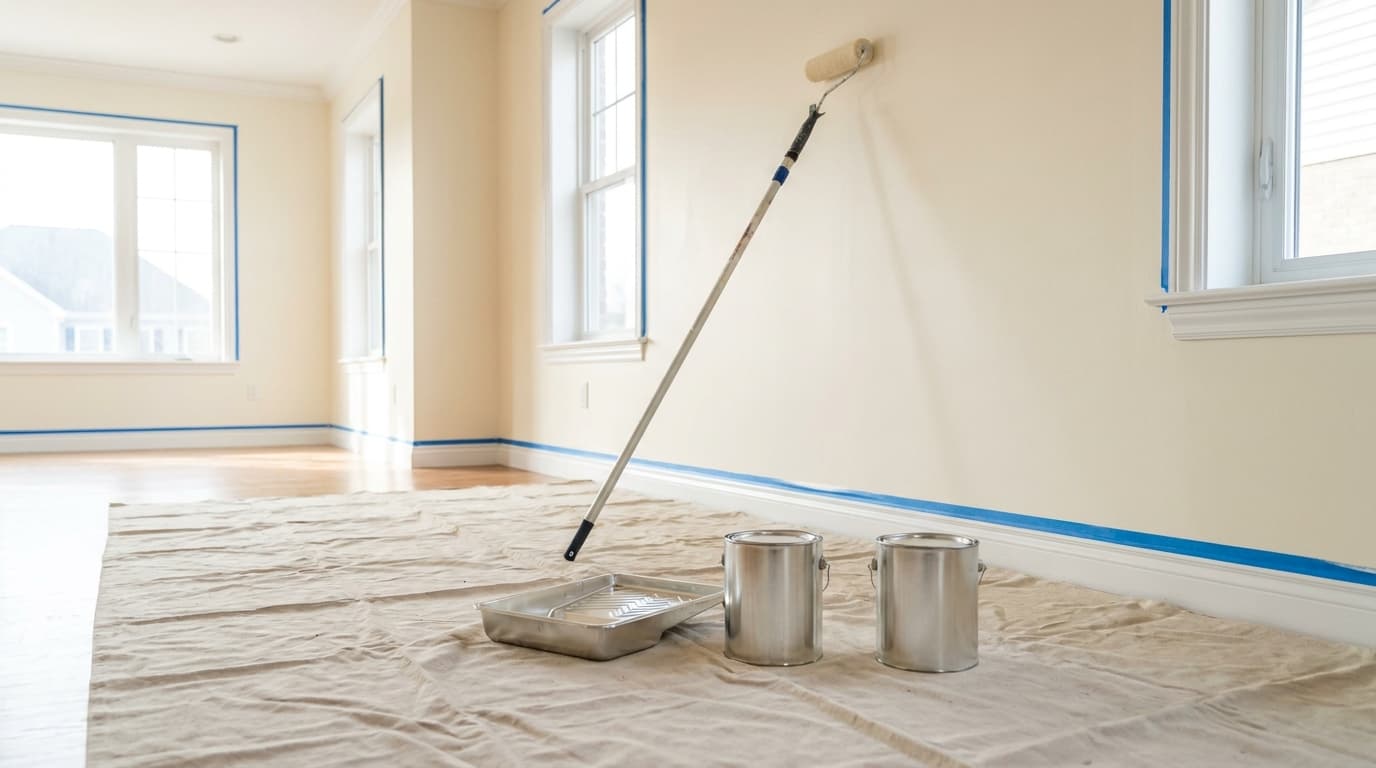
Exterior projects often involve additional cost factors like scaffolding or lift rental for multi-story homes, pressure washing, and weather-related scheduling considerations. Interior projects, meanwhile, may require furniture moving and additional protective measures depending on how much needs to be relocated or covered.
Getting an Accurate Estimate
A trustworthy residential painting contractor will walk through your home in person before providing a final quote, since photos or verbal descriptions rarely capture the full scope of prep work needed. Be wary of estimates given without any in-person assessment, since these are more likely to change significantly once work begins.
Ways to Manage Your Budget
If cost is a significant concern, ask your contractor which parts of the project could be phased over time, such as tackling exterior work one year and interior rooms the next. You can also ask about mid-range paint options that balance durability and price, rather than assuming you need to choose between the cheapest and most expensive product lines available.
Getting the Most from Your Investment
While it's natural to focus on the bottom-line price, the real measure of value is how long the finished project lasts and how well it holds up to daily wear. Investing a bit more in proper prep work and quality materials upfront often saves money over the long run by delaying the need for a repaint.
Questions to Ask Before Approving a Quote
- Does the price include all necessary prep work, or is that billed separately?
- What happens if additional repairs are discovered once work begins?
- Is the estimate a fixed price or a not-to-exceed amount?
Getting clear answers to these questions before signing helps avoid unpleasant surprises partway through the project and ensures the final invoice matches what you expected to pay.
Balancing Cost Against Long-Term Value
It can be tempting to choose the lowest bid when comparing quotes, but a bid that seems unusually low compared to others often reflects a shortcut somewhere, whether that's thinner paint coverage, minimal prep work, or lower-grade materials. Weighing each quote against the scope of work it actually covers, rather than the number alone, gives you a much more accurate sense of which option truly offers the best value for your home.

Nick Guli
Nick Guli is the founder and editor-in-chief of Explosion.com, which he launched in February 2012. With over a decade of experience in digital publishing, Nick oversees editorial direction across entertainment, gaming, technology, and lifestyle content. He is an avid gamer and movie enthusiast who brings a critical eye to coverage of industry trends, game reviews, and entertainment news.