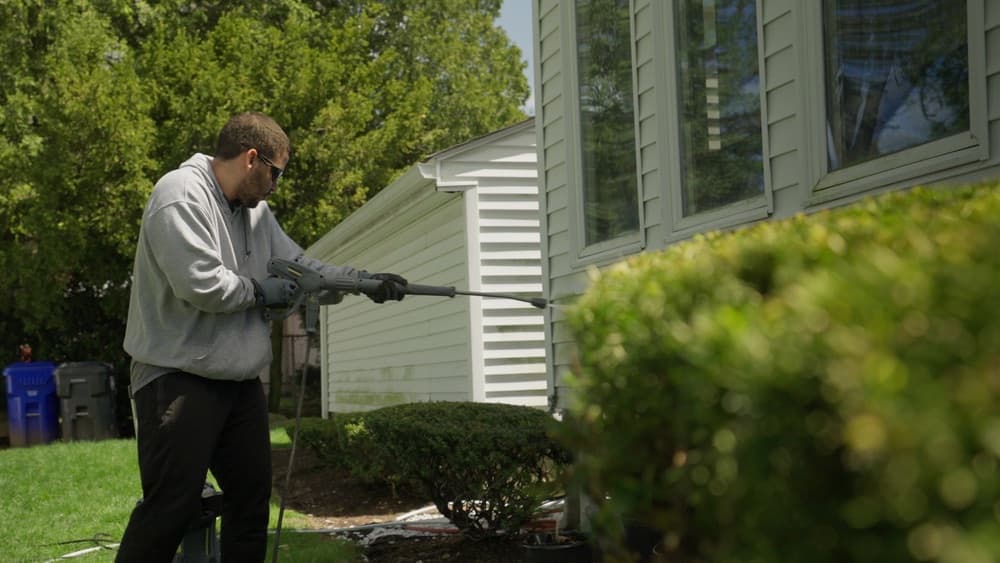
A healthy lawn does not happen by accident. It needs steady attention, smart watering, proper mowing, and a clear understanding of how the rest of the yard affects grass growth. For many homeowners, lawn care feels complicated because problems can come from several places at once, including soil quality, shade, drainage, pests, foot traffic, and seasonal weather. The good news is that a stronger lawn usually starts with a few practical habits. By focusing on the basics, you can make your yard easier to maintain and more enjoyable throughout the year.
Build a Consistent Care Routine
The first step is creating a regular lawn care schedule. Mowing, watering, fertilizing, and checking for bare spots should not be handled only when the yard looks neglected. Grass responds better when care is consistent, especially during periods of heat, heavy rain, or active growth. A routine also makes it easier to notice problems early, such as thinning turf, weeds, compacted soil, or areas that stay too wet after storms.
Homeowners also have many professional options when they need help with larger yard needs. According to RubyHome, the United States has more than 647,741 landscaping businesses. That large number shows how common lawn and landscape care needs are across the country. Whether you handle most work yourself or hire support for seasonal projects, it helps to know what your lawn needs before choosing a service or product.
Water New Growth Carefully
Watering is one of the most important parts of lawn care, but more water is not always better. Established grass usually benefits from deeper, less frequent watering because it encourages stronger roots. Newly planted or newly seeded areas need a different approach because the surface can dry out quickly. Homeowners should adjust watering based on the lawn’s stage of growth, soil conditions, and weather.
This is especially important after hydroseeding. According to This Old House, during the first two months after hydroseeding, homeowners need to keep the lawn moist. That does not mean flooding the area, but it does mean checking the surface often enough to prevent it from drying out. Gentle, consistent watering helps new grass establish itself and reduces the risk of patchy results.
Manage Trees, Shade, and Yard Conditions
Lawn health is closely connected to what happens around the grass. Large trees can provide beauty and shade, but they can also compete with grass for sunlight, water, and nutrients. Branches that block too much light may create thin areas beneath the canopy. Leaves, twigs, and storm debris can also smother sections of turf when they are left sitting too long.
Tree care is a major part of overall property maintenance. According to Tree Service Research, roughly 82,000 tree service businesses currently operate in the U.S. That reflects how often homeowners need help with pruning, trimming, removal, and storm-related cleanup. Managing trees properly can improve sunlight exposure, reduce debris, and make it easier for nearby lawn areas to stay healthy.
A strong lawn also depends on the condition of the soil. If water pools in certain areas, the grass may struggle because roots are sitting in overly wet ground. If the soil is compacted, water and nutrients may not reach the root zone effectively. Aeration, topdressing, and soil testing can help homeowners understand what is happening below the surface. These steps are especially useful when mowing and watering alone are not solving the problem.
Taking care of your lawn is easier when you think of it as an ongoing system rather than a one-time project. Regular mowing, smart watering, tree management, soil care, and early problem spotting all work together. You do not need a perfect yard to make steady progress. With consistent attention and practical adjustments, your lawn can become healthier, cleaner, and more attractive over time. The best results come from repeating simple habits and responding quickly when the lawn starts showing signs of stress.

Nick Guli
Nick Guli is the founder and editor-in-chief of Explosion.com, which he launched in February 2012. With over a decade of experience in digital publishing, Nick oversees editorial direction across entertainment, gaming, technology, and lifestyle content. He is an avid gamer and movie enthusiast who brings a critical eye to coverage of industry trends, game reviews, and entertainment news.