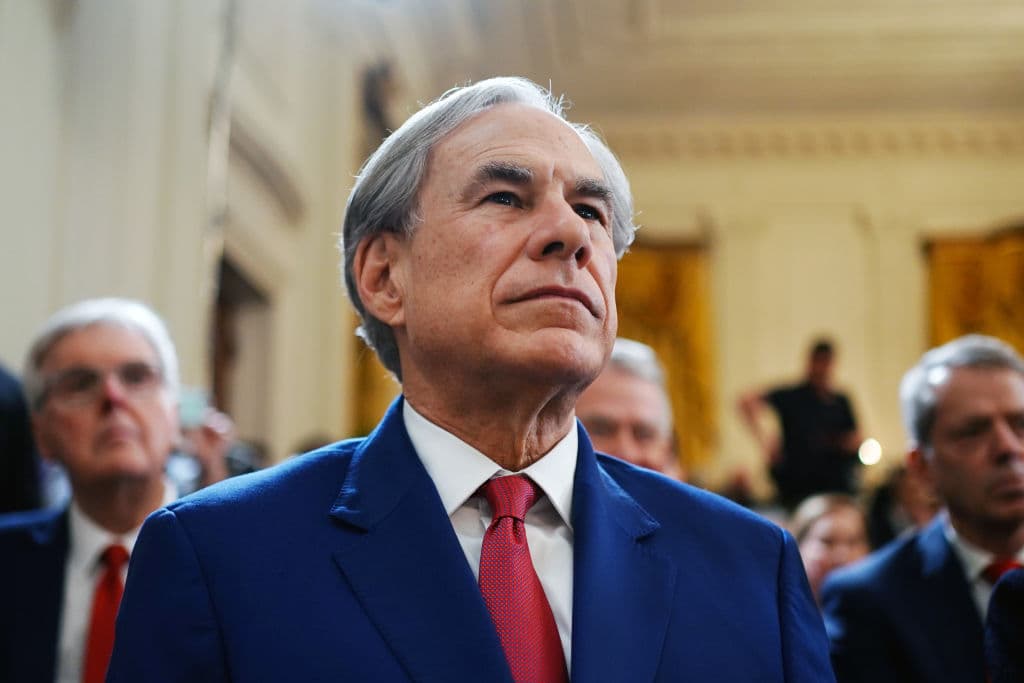
Texas has hit pause on new data center construction. Governor Greg Abbott has mandated audits before any new facility can connect to the state’s power grid.
Abbott instructed two state energy agencies — the Public Utility Commission of Texas (PUCT) and the Electric Reliability Council of Texas (ERCOT) — to verify and audit new data centers that want grid access. Until those audits finish, new data center connections are effectively on hold.
Why Texas Is Pumping the Brakes
For years, Texas has marketed itself as the prime location for building data centers. With relatively lax regulations, affordable land, and what seemed like an endless power supply, it attracted tech companies and AI infrastructure developers. However, that power supply isn’t as abundant as it once appeared.
Data centers consume a massive amount of electricity. A single large facility can use as much power as a small city. As AI workloads have surged, the need for computing power has skyrocketed. This has put a strain on the grid, which operates mostly independently from the rest of the U.S. national grid. Texas’s grid has faced significant stress during extreme weather events. Adding numerous new power demands without proper vetting raises real reliability risks for everyday Texans.
Imagine the grid as a highway. Texas had plenty of open lanes for years, and tech companies started merging on in droves. Now, there’s a traffic jam forming, and the state is saying: we need to check that every new vehicle meets safety standards before getting on the road.
What the Audit Actually Involves
Abbott’s directive asks PUCT and ERCOT to verify the power demands that data center developers claim in their grid connection applications. Developers must estimate their facility’s electricity use when submitting connection requests. The audit will verify whether those estimates are accurate or if companies have downplayed their actual consumption to speed up the approval process.
Downplaying power demand isn’t just a minor issue. If a data center draws significantly more power than it projected, it can put unexpected strain on the grid. This could affect reliability for homes and businesses nearby.
What This Means
For everyday Texans, the immediate benefit is clear: fewer unexpected blackouts or brownouts caused by power demand that the grid can’t handle. The audit process gives state officials a clearer view of how much electricity is actually committed before a facility goes live.
For tech companies and AI developers, this pause brings real uncertainty. Projects already in the pipeline may experience delays while audits are underway. Companies that planned to use Texas as a base for rapid AI infrastructure growth must now account for a slower, more scrutinized approval process.
The broader impact could shift some data center investments to other states. Alternatively, companies might negotiate directly with utilities for dedicated power arrangements that don’t rely on the shared grid.
| By The Numbers: Texas Data Centers & the Grid | |
|---|---|
| Grid operator affected | ERCOT (covers ~90% of Texas’s electric load) |
| ERCOT grid independence | Largely separate from the U.S. national grid, limiting ability to import emergency power |
| Audit ordered by | Governor Greg Abbott, directed to PUCT and ERCOT |
| Trigger for pause | Surge in AI-driven data center grid connection requests |
| Status | New connections halted pending audit completion |
Community Reactions
“About time. ERCOT almost collapsed in 2021. You can’t just keep adding gigawatts of demand and hope for the best.”
— u/GridWatchTexas, Reddit
“This is going to slow down AI buildout significantly if other states follow. Texas was THE place to go for fast approvals.”
— YouTube comment on The Verge’s coverage
The Bigger Picture
Texas isn’t alone in facing this issue — it’s just the first to publicly hit the brakes. Data center demand is straining grids across the country as AI investment floods into physical infrastructure. States that positioned themselves as data center hubs are now realizing that their power grids weren’t designed for this level of growth.
What Texas decides to do next could serve as a model or a cautionary tale. It highlights the challenge of balancing the economic allure of tech investment with the practical limits of energy infrastructure.
Sources: TechCrunch | The Verge
What To Watch
- Audit timeline: PUCT and ERCOT haven’t announced a completion date. Keep an eye out for a formal report that will determine when the pause is lifted.
- Other states: Virginia, Georgia, and Arizona are also major data center hubs facing similar grid pressure. They’ll be watching Texas’s audit process closely.
- Industry response: Major tech companies with Texas projects — including AI infrastructure developers — will likely push back through lobbying. Any formal responses from Amazon, Microsoft, or Google could indicate how hard the industry plans to fight the new requirements.
- Legislative action: The Texas legislature might formalize the audit requirement into law, or Abbott’s directive could be reversed. The next legislative session is worth watching for any data center-specific energy bills.

Ava Mitchell
Ava Mitchell is a digital culture journalist at Explosion.com covering social media platforms, streaming services, and the creator economy. With 4 years reporting on TikTok, Instagram, YouTube, and the apps that shape daily life, Ava specializes in explaining platform policy changes and their impact on everyday users. She previously managed social media strategy for a tech startup, giving her firsthand experience with the platforms she now covers.