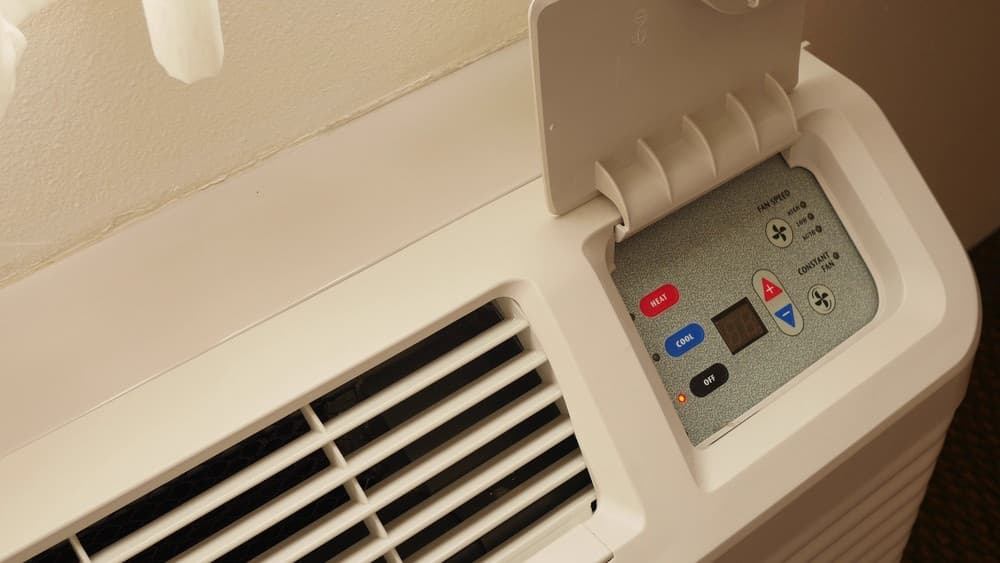
An aging HVAC unit can quietly raise household energy use long before it stops working altogether. As parts wear down, airflow weakens, efficiency drops, and the system may need to run longer to reach the same temperature. Homeowners may notice higher utility bills, uneven comfort, or more frequent repair needs without realizing the HVAC unit is using more energy than necessary. Understanding how older equipment affects consumption helps homeowners decide when maintenance, repairs, or replacement may be the smarter long-term choice.
Older Systems Work Harder to Heat and Cool
An HVAC system becomes less efficient as motors, coils, belts, electrical components, and airflow pathways wear down. According to Green Logic, HVAC systems account for 46% of a home’s energy consumption. Because heating and cooling make up such a large portion of household energy use, even small efficiency losses can have a noticeable effect on monthly costs.
When an older unit struggles to keep up, it may run longer cycles or turn on more often. Longer run times increase energy demand and place additional stress on already-aging parts. A system that once cooled or heated the home quickly may gradually become slower and less responsive. Over time, the homeowner may pay more for comfort that feels less consistent than it did when the equipment was newer.
Poor Airflow Increases Energy Waste
Airflow problems are common in older HVAC systems. Dust buildup, worn blower components, clogged filters, duct leaks, and dirty coils can all make it harder for conditioned air to move through the home. When airflow is restricted, the system must use more energy to distribute heated or cooled air. Rooms may feel uneven, with some areas too warm and others too cold.
Weak airflow also makes the system less effective at removing humidity and maintaining steady temperatures. A homeowner may lower the thermostat in summer or raise it in winter to compensate, which increases energy use even more. Addressing airflow issues can help restore comfort while reducing unnecessary strain on the system. When airflow remains poor despite maintenance, the age or condition of the unit may be a larger problem.
Routine Maintenance Helps Control Consumption
Maintenance is one of the most important ways to keep an HVAC unit from wasting energy. According to Today’s Homeowner, most HVAC professionals generally recommend routine air conditioner maintenance twice per year to help the system perform properly. Regular service gives technicians a chance to clean components, check refrigerant levels, test electrical connections, inspect moving parts, and identify developing problems.
Without maintenance, minor issues can gradually reduce efficiency. A dirty coil, loose electrical connection, or worn part may not shut the system down right away, but it can still force the unit to work harder. Routine appointments help homeowners catch these concerns before they contribute to higher energy bills or major failures. For an older system, maintenance becomes even more important because small performance changes can create larger energy consequences.
Blower Efficiency Can Make a Major Difference
The blower fan plays a major role in moving air through the HVAC system and into the living space. According to the National Air Duct Cleaners Association (NADCA), regular HVAC maintenance can reduce fan and blower energy consumption by 41% to 60%. That potential reduction shows how much energy can be wasted when airflow components are dirty, strained, or poorly maintained.
An older blower motor may use more power than necessary, especially if it is working against clogged filters, dirty ducts, or restricted airflow. When the blower struggles, the system may run longer while delivering less comfort. Maintenance can improve performance, but an aging motor or outdated system design may still limit efficiency. If fan-related energy use stays high, homeowners may need to consider whether continued repairs are cost-effective.
Frequent Repairs May Signal Declining Efficiency
Old HVAC units often become more expensive to operate because energy waste and repair needs increase at the same time. A failing capacitor, aging compressor, leaking refrigerant line, or weak motor can make the system less dependable and less efficient. Even after a repair, another worn component may create a new problem soon after.
Frequent repairs should prompt homeowners to look beyond the immediate fix. If the system is older, inefficient, and struggling to keep the home comfortable, continued repair costs may not solve the larger issue. A newer, properly sized HVAC unit may provide better comfort with less energy demand. Evaluating energy bills, repair history, system age, and comfort problems can help homeowners decide when replacement makes more financial sense than another short-term repair.
An old HVAC unit can affect energy consumption through longer run times, weaker airflow, worn components, and reduced performance. Maintenance can help manage these issues, but aging equipment may eventually reach a point where efficiency cannot be fully restored. Homeowners who pay attention to utility trends, comfort changes, and repair frequency can make better decisions about caring for or replacing their system. A well-performing HVAC unit supports comfort while helping control one of the largest energy demands in the home.

Nick Guli
Nick Guli is the founder and editor-in-chief of Explosion.com, which he launched in February 2012. With over a decade of experience in digital publishing, Nick oversees editorial direction across entertainment, gaming, technology, and lifestyle content. He is an avid gamer and movie enthusiast who brings a critical eye to coverage of industry trends, game reviews, and entertainment news.