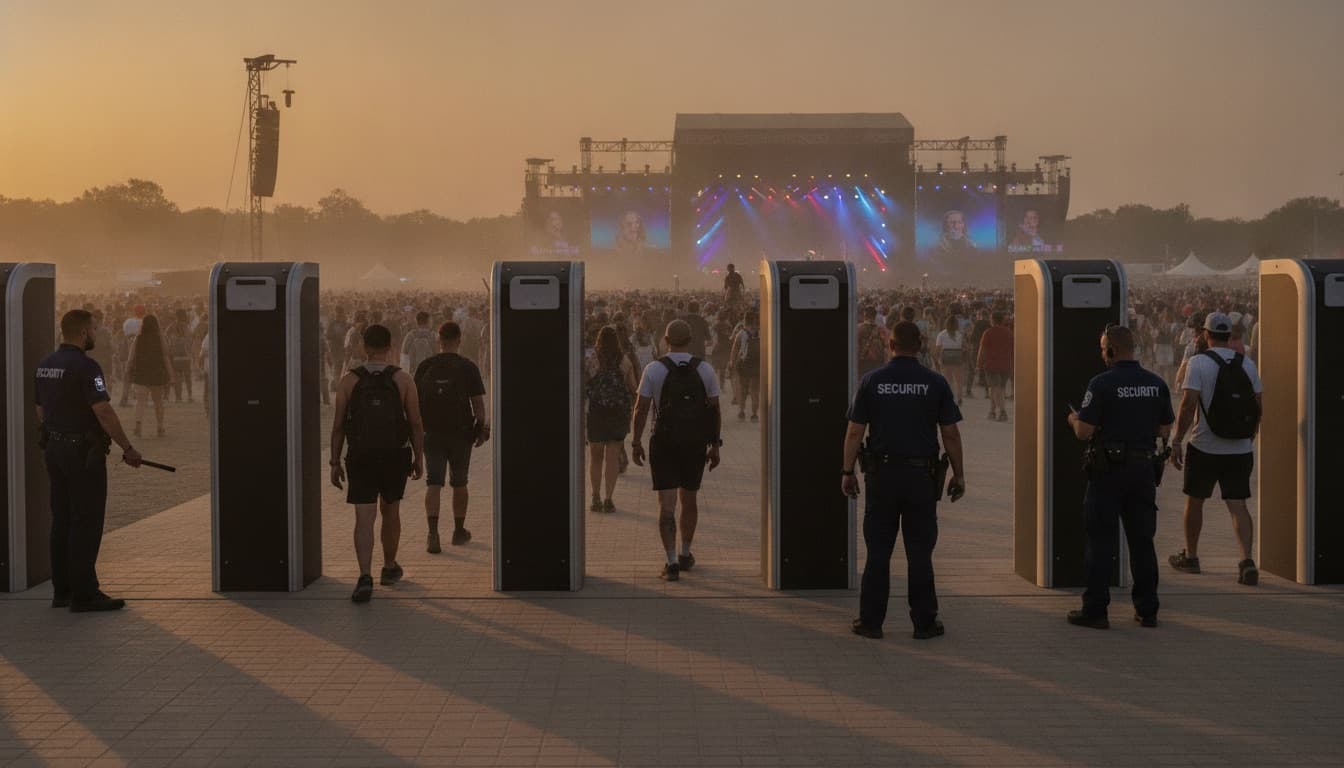
The US Supreme Court has tightened law enforcement’s ability to use geofence warrants, a controversial tool that allows police to gather location data on everyone near a crime scene. This ruling came down on June 29.
What Is a Geofence Warrant?
A geofence warrant is a court order that instructs a tech company to provide location data for all devices within a specific geographic area during a designated time frame. It’s similar to asking a store for security footage, but instead of one camera, you’re requesting a list of every person who walked down an entire street, regardless of their involvement in the crime.
Google has often been the main target for these requests. Its Location History feature logs users’ movements over time, creating a vast database. Investigators would send a geofence warrant to Google, receive a list of devices in the area, and then narrow down potential suspects.
What the Court Actually Decided
The ruling doesn’t outright declare geofence warrants unconstitutional, but it does impose important new limits. The Court decided that the broad, dragnet-style use of these warrants, where police collect data on everyone in an area without suspicion, violates the Fourth Amendment. This amendment protects against unreasonable searches and seizures.
The practical impact is significant. Law enforcement agencies that previously relied on geofence warrants for quick investigations will now face a higher legal hurdle. They’ll need to make their warrants more specifically targeted, both geographically and temporally, and demonstrate probable cause more clearly than before.
This ruling is a notable win for privacy advocates, even if it’s not the outright ban some hoped for.
Why This Case Reached the Supreme Court
The use of geofence warrants became increasingly controversial after around 2016. Google reported receiving thousands of requests each year at their peak. Civil liberties groups argued that these warrants were akin to demanding that every person in a neighborhood prove their innocence, turning the justice system on its head.
Several federal circuit courts reached conflicting conclusions about the constitutionality of these warrants, creating a classic scenario for Supreme Court review. The Justices agreed to take the case to resolve this split.
| Metric | Detail |
|---|---|
| Primary data source targeted | Google Location History |
| Peak Google geofence requests | Thousands per year (reported by Google) |
| Constitutional protection at issue | Fourth Amendment (unreasonable search and seizure) |
| Ruling date | June 29, 2026 |
| Court outcome | Restricted but not fully banned |
What This Means for Everyday Users
If you have Location History enabled in Google Maps or use any app that tracks your movements, your data has likely been included in a geofence request at some point. However, this ruling makes that much less likely in the future.
For most users, day-to-day experiences won’t change immediately. Your apps will continue to collect location data as they do now. The key difference is that law enforcement faces a narrower legal path to access that data in bulk. Police can no longer easily pull a list of every phone in a four-block radius for three hours during a robbery investigation.
Privacy advocates emphasize that you shouldn’t have to justify why you happened to walk past a bank that was robbed. This ruling reinforces that idea with legal significance, at least for the time being.
Community Reactions
“This is huge. Geofence warrants always felt like the government fishing with a net instead of a rod. Good to see the Court finally push back, even if they didn’t go all the way.”
“‘Restricted but not banned’ is doing a lot of work here. Prosecutors are going to find creative ways around this within six months, watch.”
What To Watch
- Lower court cases: Federal and state courts will now need to apply the Supreme Court’s new standard to pending and future geofence warrant requests. How strictly judges interpret “more targeted” will influence what investigators can do in practice.
- Google’s response: Google has already started storing Location History on-device rather than in the cloud. This ruling might encourage the company to accelerate that shift, which could make it technically impossible to comply with future geofence requests even if approved.
- Congressional action: Some lawmakers are backing the Fourth Amendment Is Not For Sale Act and similar legislation to further limit law enforcement access to commercial location data. This ruling could provide new momentum for that initiative.
- Other tech companies: Apple, Snapchat, and others have received similar warrants. It’ll be interesting to see if this ruling prompts them to change their data retention policies proactively.
Sources: Ars Technica | Engadget

Maya Torres
Maya Torres is the Consumer Tech Editor at Explosion.com with 7 years covering product launches for major technology publications. She has reviewed over 300 devices across smartphones, laptops, wearables, and smart home products. Maya specializes in translating spec sheets into real-world buying advice and attends CES, MWC, and Apple keynotes as press. Her reviews focus on helping readers decide what to buy, not just what specs look good on paper.