Heat stroke can be fatal within minutes, and many people struggle to distinguish it from severe heat exhaustion until it’s too late. With summer heat waves growing more intense nationwide, an ER doctor outlines what to look for and what actions to take while waiting for an ambulance.
Heat Exhaustion vs. Heat Stroke: Key Differences
These two conditions often get mixed up, but understanding the difference is crucial. Heat exhaustion means your body is having trouble cooling down. You might feel weak, dizzy, and sweat a lot. While it’s serious, you can typically bounce back by finding a cooler place and hydrating.
On the other hand, heat stroke is a medical emergency. This occurs when your body can no longer regulate its internal temperature, causing your core temperature to rise above 104°F (40°C). Picture it like a car engine that’s overheated and shut down—except that engine is your brain.
Warning Signs from ER Doctors
Symptoms of heat stroke fall into two categories based on the type. Classic heat stroke usually affects older adults, young children, and those with chronic illnesses during prolonged heat exposure. Exertional heat stroke typically strikes athletes and outdoor workers who push themselves hard in hot weather.
Signs You Should Call 911 Immediately
- Confusion or altered mental state — the person appears disoriented, slurs their words, or behaves oddly. This is a major warning sign.
- Hot, dry skin — with classic heat stroke, sweating often stops completely. The skin feels hot and dry, rather than clammy.
- Loss of consciousness — fainting or being unresponsive.
- Seizures — indicating the brain is under severe stress from the heat.
- Rapid heartbeat — the heart races to cope with the heat load.
- Nausea and vomiting — common in both types, but more severe in cases of heat stroke.
CNET reports that the change in mental status is the most critical sign. If someone who was just feeling hot suddenly appears confused or can’t answer basic questions, treat it as heat stroke until proven otherwise. Check out the full breakdown from CNET’s ER doctor.
What to Do While You Wait for Help
You need to lower the person’s body temperature as quickly as possible. Every minute counts; delays increase the chances of permanent organ damage or death. Here’s what you should do:
- Call 911 first. Don’t wait to see if they get better.
- Move them out of the heat immediately — find shade, air conditioning, or any cooler spot.
- Remove excess clothing.
- Apply cold water to the skin and fan them to help with evaporation. Ice packs on the neck, armpits, and groin are effective because large blood vessels are close to the surface there.
- If they’re conscious and can swallow safely, give them cool water to drink.
- Don’t give aspirin or acetaminophen — these don’t help with heat stroke and could lead to complications.
Who’s Most at Risk?
Heat stroke can affect anyone, but some groups are more vulnerable. Adults over 65 often struggle to regulate their body temperature. Infants and young children can overheat faster than adults. Certain medications, like diuretics (water pills), antihistamines, and some antidepressants, can impair sweating. Plus, athletes and outdoor workers face risks due to physical exertion in high heat.
| Stat | Detail |
|---|---|
| Danger threshold | Core body temp above 104°F (40°C) |
| Critical threshold | Above 106°F (41.1°C) — risk of organ damage increases sharply |
| U.S. heat deaths per year | Approximately 1,300+ annually (CDC estimate) |
| Survival rate with fast cooling | Close to 100% with immediate treatment |
| Time window | Brain damage can begin within 10-15 minutes of onset |
| Most at-risk ages | Under 4 and over 65 |
What This Means for You
If you’re outdoors this summer or know someone elderly, very young, or on multiple medications, knowing the signs can save lives. The key takeaway: confusion equals an emergency. Don’t assume someone is just “overheated and needs water.” If they seem mentally off after being in the heat, call 911 and start cooling them down right away. Having a plan ready for a heat emergency can make all the difference between acting quickly and standing around unsure of what to do.
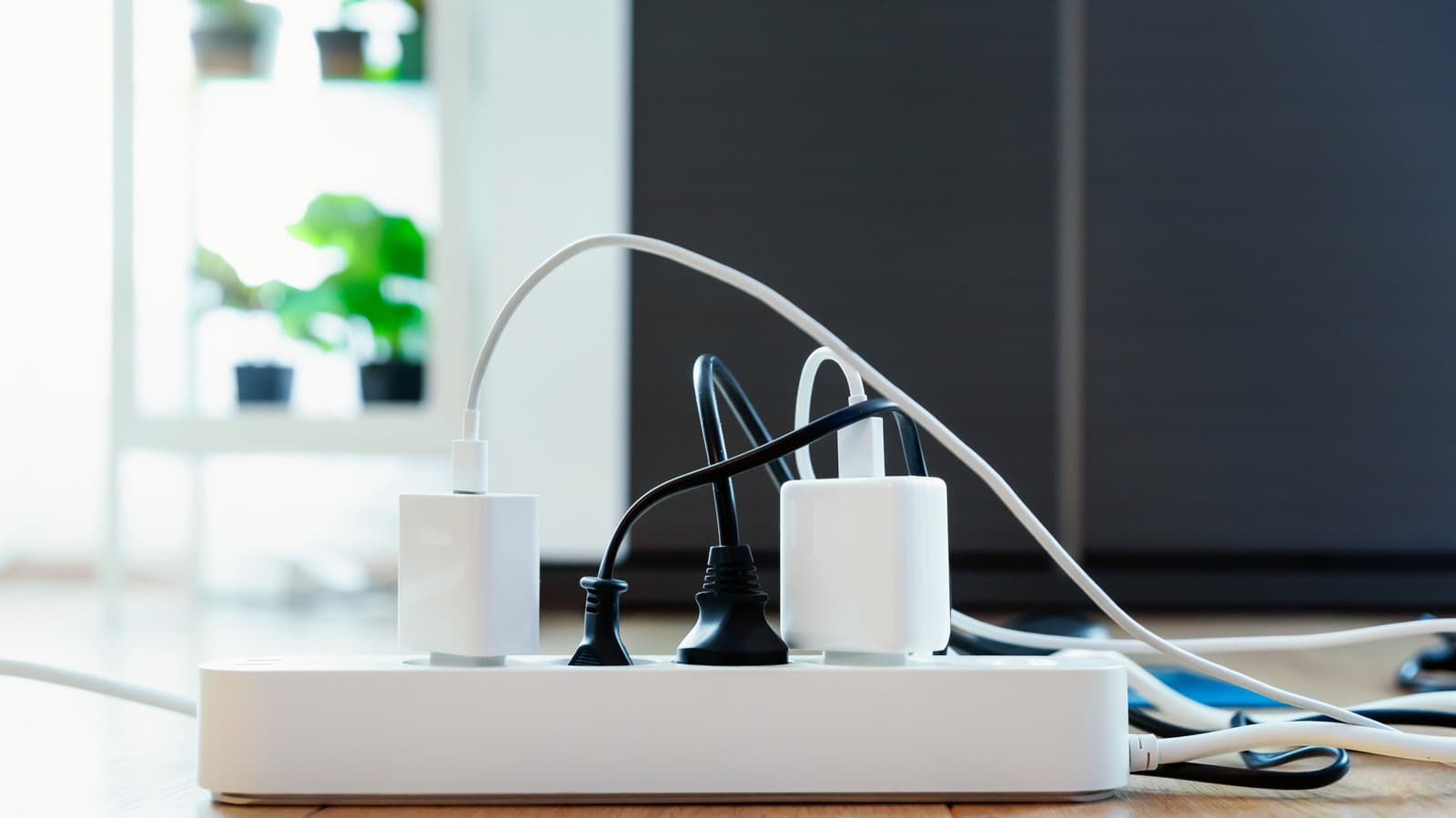
Also, keep home safety in mind: if you’re using fans and cooling devices to beat the heat, Engadget highlights a common mistake with power strips and smart plugs that can create fire hazards. Plugging a multi-device power strip into a smart plug can overload the smart plug’s capacity, especially if multiple fans or AC units are running at the same time.
Community Reactions
“The confusion sign is huge. My grandfather got heat stroke last summer and we almost didn’t call 911 because we thought he was just tired. He ended up in the ICU. Don’t wait.”
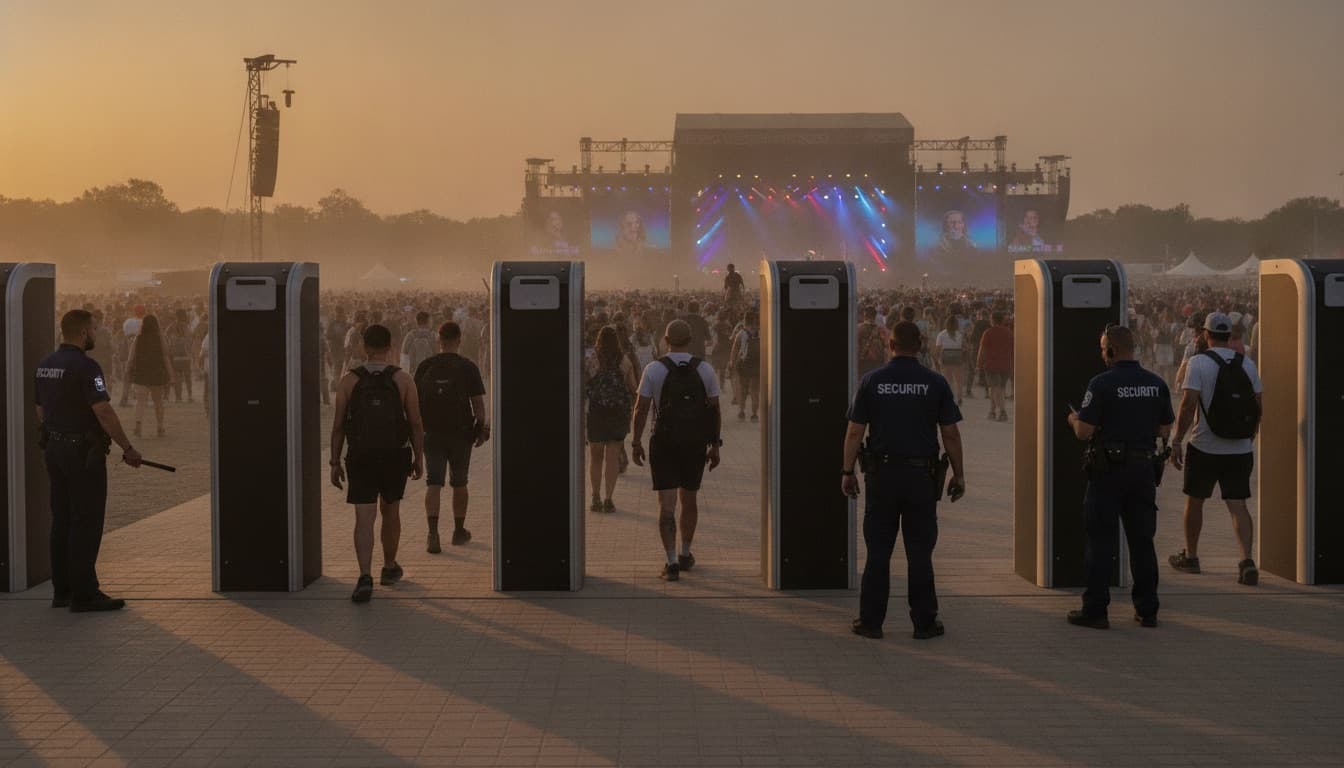
“The dry skin thing saved my friend’s life at a festival. Everyone assumed no sweating meant she was fine. She was not fine.”
What To Watch
- This week: The National Weather Service is issuing heat advisories as summer temperatures peak across the Southwest and Southeast. Check local forecasts before heading outdoors.
- Ongoing: The CDC updates its extreme heat guidance every year — their recommendations align closely with what ER physicians are advising this season.
- Watch for: New wearable temperature monitoring tools aimed at athletes and outdoor workers are expected to launch from several manufacturers this year, offering earlier warnings before heat stroke occurs.

Maya Torres
Maya Torres is the Consumer Tech Editor at Explosion.com with 7 years covering product launches for major technology publications. She has reviewed over 300 devices across smartphones, laptops, wearables, and smart home products. Maya specializes in translating spec sheets into real-world buying advice and attends CES, MWC, and Apple keynotes as press. Her reviews focus on helping readers decide what to buy, not just what specs look good on paper.