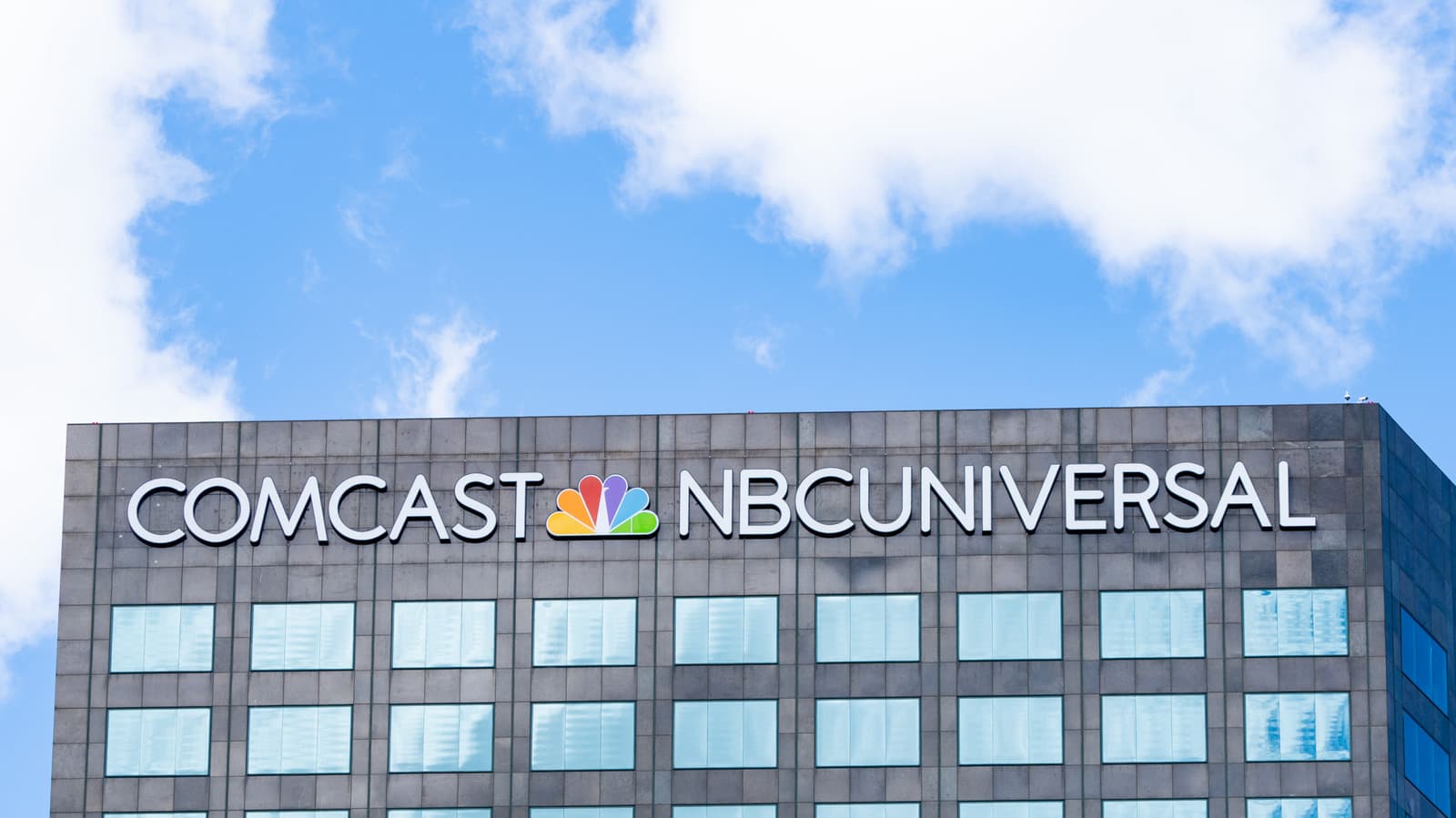
Comcast is breaking itself apart. The company recently announced plans to spin off NBCUniversal into an independent business, which means it’s completely exiting the entertainment industry. This marks a significant shift for one of America’s largest cable and internet providers.
What’s Actually Happening
A spin-off of this magnitude is a big deal in the media world. Comcast built its entertainment empire by acquiring NBCUniversal in 2011 for about $30 billion. Now, over a decade later, it’s walking away from that investment entirely.
The newly independent NBCUniversal will take with it an impressive portfolio, including NBC broadcast television, MSNBC, CNBC, the Universal film studio, Universal theme parks, and the streaming service Peacock. Meanwhile, Comcast will concentrate solely on its core cable and broadband business.
This move follows Comcast’s earlier decision to spin off a group of cable TV channels into a separate company called Versant. So, this isn’t just a one-time decision. Comcast is methodically shedding its media assets, layer by layer.
Why Is Comcast Doing This?
The short answer? Traditional TV is struggling, but Comcast’s internet business is thriving.
Cable TV viewership has plummeted for years as people ditch their subscriptions for streaming services. Advertising revenue for linear TV, which includes regular broadcast or cable, has taken a serious hit. While NBCUniversal’s Peacock streaming platform has gained subscribers, competing in streaming requires hefty content investments to keep up with giants like Netflix and Disney+.
On the other hand, Comcast’s broadband internet business remains stable. People need home internet regardless of their TV habits. By separating the two businesses, Comcast can stop a struggling media division from dragging down its successful internet company. Additionally, NBCUniversal can now forge its own path without a cable company calling the shots.
Think of it like a restaurant group that runs both a fast food chain and a fine dining restaurant. If the upscale side is losing money and confusing investors, splitting them apart can allow each to thrive on its own terms.
| Metric | Detail |
|---|---|
| Comcast’s NBCUniversal acquisition (2011) | ~$30 billion |
| Peacock subscribers (as of early 2025) | ~40 million paid subscribers |
| NBCUniversal revenue (2024) | ~$25 billion |
| Previous spin-off | Versant (cable TV channels) |
| New standalone company | NBCUniversal (NBC, CNBC, MSNBC, Universal, Peacock, theme parks) |
What This Means
For Peacock Subscribers
If you subscribe to Peacock, expect some changes ahead. A newly independent NBCUniversal will need to make Peacock profitable on its own. This could lead to price increases, new content licensing deals, or possible mergers with other streaming services in the future. While nothing changes immediately, the long-term direction of the service is now in the hands of a company without a major cable provider as a safety net.
For Comcast Internet Customers
For the approximately 32 million households that use Comcast’s Xfinity service, day-to-day operations shouldn’t change. Comcast will stay focused on broadband and cable systems. Investors hope that a leaner Comcast will reinvest more in network upgrades and customer service without the burden of entertainment costs.
For the Broader Media Industry
This move signals that the traditional model of tech and telecom companies owning entertainment studios is under real pressure. AT&T bought WarnerMedia, then spun it off as Warner Bros. Discovery. Verizon sold its media assets years ago. Now, Comcast is following suit. The era of cable companies trying to dominate Hollywood seems to be coming to an end.
Community Reaction
“Peacock going independent is either the best or worst thing that could happen to it. Either they finally get the budget to compete, or they get acquired by Netflix within 3 years. No in between.”
“Comcast finally admitting that owning NBC was a mistake is honestly kind of historic. They paid $30 billion for this and now they’re just… giving it away.”
What To Watch
- Spin-off timeline: Comcast hasn’t confirmed a specific completion date. Major corporate spin-offs usually take 12 to 18 months to finalize after the announcement, so NBCUniversal could be fully independent by late 2026 or into 2027.
- Peacock’s next move: Keep an eye out for any merger or acquisition discussions involving Peacock. An independent NBCUniversal becomes a more appealing target for companies like Apple, Amazon, or a competing studio.
- Regulatory review: This large restructuring will need approval from the FCC (Federal Communications Commission) and possibly the Justice Department. Any regulatory challenges could slow or complicate the process.
- Versant’s performance: The earlier spin-off, Versant, will provide an early indicator of whether Comcast’s breakup strategy works for investors.

Daniel Park
Daniel Park covers AI, cloud infrastructure, and enterprise software for Explosion.com. A former software engineer who transitioned to technology journalism 5 years ago, Daniel brings technical depth to his reporting on artificial intelligence, startup funding rounds, and the companies building the future of computing. He breaks down complex AI developments and business strategies into clear, actionable insights for readers who want to understand how technology is reshaping industries.