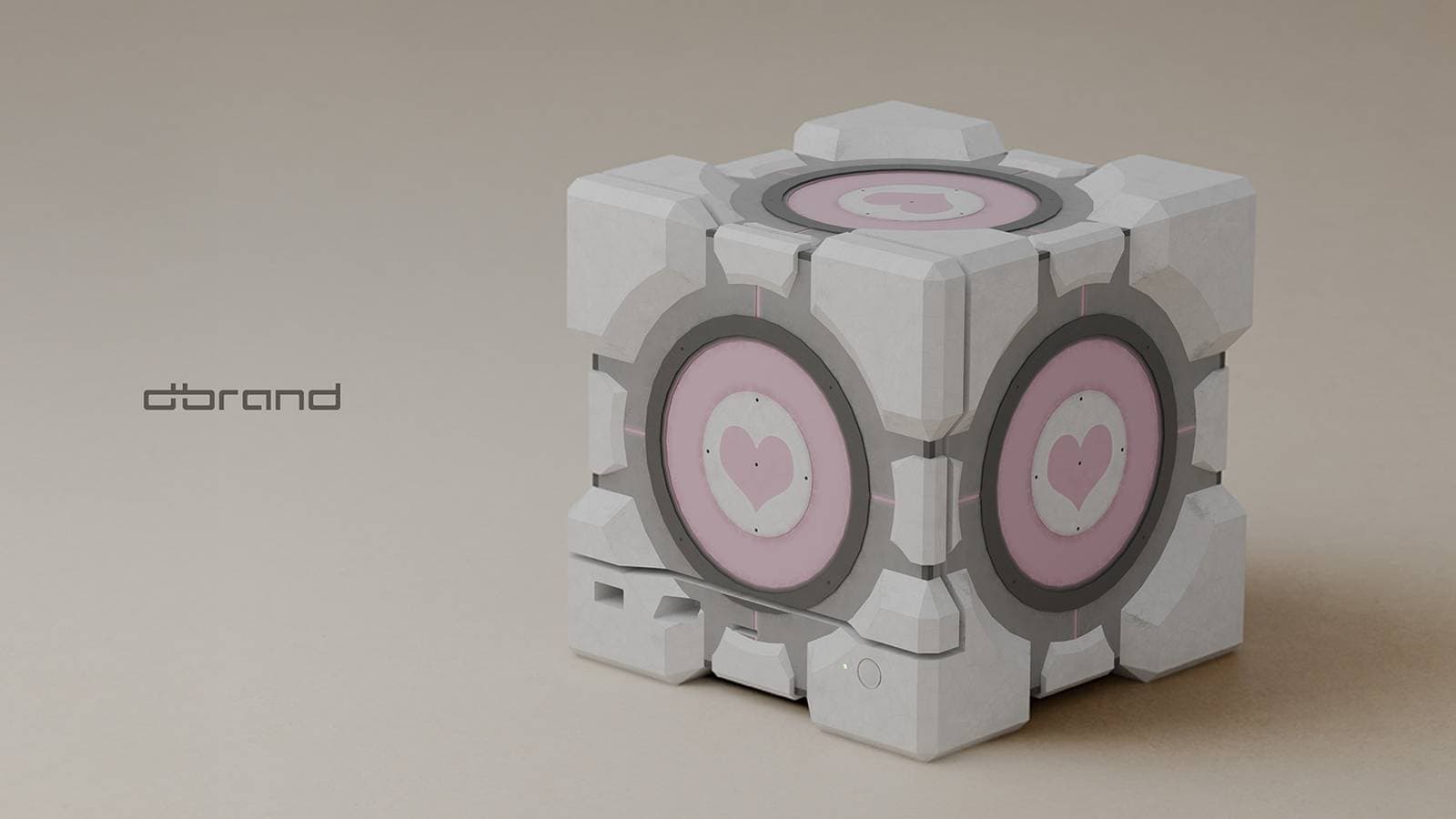
dbrand has removed its Companion Cube-themed case for the Steam Machine after realizing it never got permission from Valve to use the iconic imagery from Portal. This slip is unusual for a company known for its edgy marketing tactics.
What Happened
The accessory maker debuted a case for the Steam Machine, Valve’s attempt to bring PC gaming into the living room, styled after the beloved Companion Cube. It looked official, but it wasn’t.
dbrand later confirmed that it hadn’t secured a license or any formal approval from Valve before launching the product. Once news broke, the company decided to pull the case from its store rather than contest the issue or wait for a formal takedown notice.
This isn’t dbrand’s first brush with intellectual property disputes. They previously had a spat with Nintendo over a Switch skin design, but this self-reported admission adds a twist to the story.
What Is the Companion Cube, Exactly?
For those outside the gaming scene, the Weighted Companion Cube is a prop from Valve’s 2007 puzzle game Portal. Players carry this cube through test chambers and eventually have to destroy it, turning that moment into a meme. Its pink heart-and-grey-panel design has become one of the most recognizable images in gaming, which is why it’s popular for phone cases and accessories.
Valve completely owns this design as part of its Portal intellectual property. Using it commercially without a licensing agreement is a clear copyright violation.
What Is the Steam Machine?
The Steam Machine represents Valve’s effort to merge PC gaming with a living room setup in a compact, console-like form. It runs on SteamOS, a Linux-based operating system centered around Valve’s Steam game store, and is meant to connect to a TV. Picture it as a PC that acts more like a PlayStation or Xbox. Valve has been pushing this category more recently, aiming to compete in the living room gaming market beyond its portable Steam Deck handheld.
dbrand’s History With IP Disputes
This isn’t the first time dbrand has ventured into risky territory. The company has a history of using copyrighted or trademarked images in its skins and cases. Sometimes they challenge companies to take action, and other times they back down when confronted. Their marketing voice is intentionally provocative, and navigating legal grey areas has always been part of their brand.
What sets this case apart is that dbrand didn’t wait for a cease-and-desist letter. According to reports from XDA Developers and Engadget, the company decided to pull the product proactively. This move could reflect maturity or savvy PR instincts, depending on how you see it.
What This Means
If you’ve already ordered a Companion Cube Steam Machine case, check your email. It’s unclear whether dbrand will fulfill existing orders or if refunds will be offered.
For everyone else, here’s the takeaway: if you were thinking about buying one, it’s no longer available. Whether a licensed version will come back depends on whether dbrand decides to negotiate with Valve and if Valve is open to that discussion.
More broadly, this incident highlights that even established accessory brands sometimes skip the legal groundwork before launching a product. Just because something looks official doesn’t mean it is.
Community Reaction
“dbrand doing dbrand things. Surprised they didn’t just dare Valve to sue them like they did with Nintendo.”
— u/ThermalPasteEnjoyer, r/hardware
“Honestly respect the self-own admission more than waiting for a C&D. Still wild they launched it without permission though.”
— YouTube comment on dbrand’s Steam Machine coverage
What To Watch
- Refund clarity: dbrand hasn’t issued a clear public statement about existing orders. Keep an eye on their social media and support pages for updates.
- A potential licensed version: If dbrand approaches Valve for an official licensing deal, a genuine Companion Cube case could be on the horizon. Valve has previously licensed Portal imagery for merchandise, so it’s not out of the question.
- Steam Machine momentum: Valve’s foray into living-room hardware is still relatively new, and third-party accessory makers are clearly watching. How Valve handles situations like this will influence how aggressively companies design for the platform.

Ava Mitchell
Ava Mitchell is a digital culture journalist at Explosion.com covering social media platforms, streaming services, and the creator economy. With 4 years reporting on TikTok, Instagram, YouTube, and the apps that shape daily life, Ava specializes in explaining platform policy changes and their impact on everyday users. She previously managed social media strategy for a tech startup, giving her firsthand experience with the platforms she now covers.