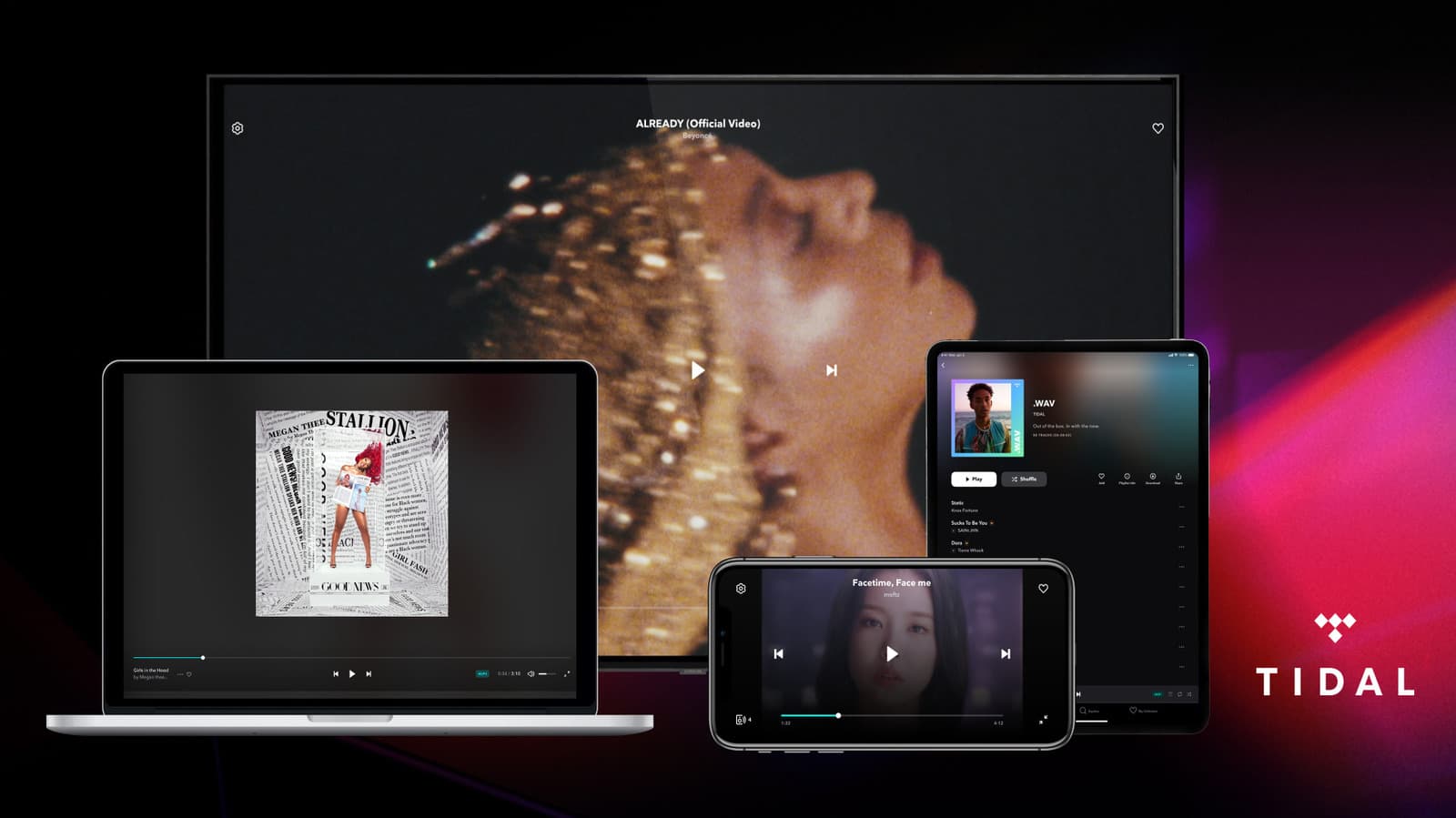
Tidal has taken a clear stance on AI-generated music: it won’t remove it from the platform, but it will stop any payments to those who upload it. The music streaming service recently announced a policy that demonetizes tracks created entirely by artificial intelligence, making Tidal one of the first major platforms to officially address this issue financially.
What Tidal Is Actually Doing
This policy focuses on music that is 100% AI-generated, meaning tracks where no human artist contributed any creative work. Under the new rules, these uploads can still exist on the platform, but they won’t earn any royalty payments — the per-stream fees that artists typically receive when their music is played.
Think of it this way: Tidal is keeping the door open but shutting down the cash register. Anyone can still upload fully AI-made music, but they won’t earn a dime from streams.
Music that combines human creativity with AI tools — like a singer using AI to produce beats or mix vocals — seems to fall outside this restriction. The policy specifically targets the fully automated side, where there’s no human artistic input.
Why This Matters to the Music Industry
The rise of AI-generated music is a growing challenge for streaming platforms. Automated tools can generate thousands of tracks in just a few minutes. Some users exploit this to manipulate streaming royalty systems, generating fake plays on cheap AI content. This practice drains money from human artists by muddying the royalty pool — the shared fund that platforms distribute based on each track’s share of total streams.
Spotify has already removed tens of millions of AI-generated tracks it labeled as fraudulent. Tidal’s approach differs — it’s not banning content, but it is banning payments — yet the goal remains the same: to safeguard the financial ecosystem for human musicians.
Tidal has always aimed to be artist-friendly, launching in 2015 with high-profile musician co-owners like Jay-Z, Beyoncé, and Rihanna. By cutting AI-only music out of the royalty system, Tidal reinforces its brand identity, even though the policy stops short of an outright ban.
By The Numbers
| Metric | Detail |
|---|---|
| Policy scope | 100% AI-generated tracks only |
| Action taken | Demonetization (no royalty payments) |
| Content removal | None — tracks remain on platform |
| Human-AI hybrid music | Not affected by the new policy |
| Tidal subscriber base | Approximately 3–4 million (as of recent estimates) |
What This Means for Everyday Users
If you’re just listening to music on Tidal, you probably won’t see any immediate changes. AI-generated tracks won’t vanish from search results or playlists. The changes affect the financial side, which operates behind the scenes.
In the long run, if the policy works as planned, human artists should retain a slightly larger share of the royalty pool. Less money going to automated content means more for the musicians you actually support on the platform.
For independent musicians uploading their own work, this policy is a noteworthy signal. If you use AI tools in your creative process, Tidal seems to draw the line at full automation. Collaborating with AI is fine. Letting AI do everything while you collect royalties? Not anymore.
What People Are Saying
“This is the move every streaming platform should make. You can listen to it, but you’re not getting paid for pressing a button.” — u/SynthwaveActual, Reddit
“Interesting that they’re not banning it outright. Probably a legal calculation more than anything else, but the result is still better for real artists.” — YouTube commenter on TechCrunch’s coverage
The Bigger Picture
Tidal’s decision reflects a broader industry conversation about AI-generated content and how to handle it fairly. Other platforms are watching closely. Spotify has been reactive, removing fraudulent content after it appears. Apple Music hasn’t announced a formal AI-specific policy yet. Tidal is now taking a proactive, middle-ground stance: tolerance without compensation.
Whether other major platforms will adopt similar demonetization policies or move toward outright bans is a key question for the music streaming industry right now.
Sources: Engadget | TechCrunch
What To Watch
- Platform responses: Keep an eye on Spotify, Apple Music, and Amazon Music to see if they follow Tidal’s lead or announce competing policies in the coming months.
- Legal challenges: AI music companies or rights groups might challenge demonetization policies. Any lawsuit would test whether platforms can deny royalties based on how music was created.
- Enforcement questions: Tidal hasn’t explained how it will identify 100% AI-generated tracks at scale. The technical details behind that detection remain unclear, and the effectiveness will determine if the policy holds weight.
- Industry standards: Streaming industry groups are expected to continue developing formal guidelines for AI-generated content throughout 2026, which could push platforms toward more unified rules.

Ava Mitchell
Ava Mitchell is a digital culture journalist at Explosion.com covering social media platforms, streaming services, and the creator economy. With 4 years reporting on TikTok, Instagram, YouTube, and the apps that shape daily life, Ava specializes in explaining platform policy changes and their impact on everyday users. She previously managed social media strategy for a tech startup, giving her firsthand experience with the platforms she now covers.