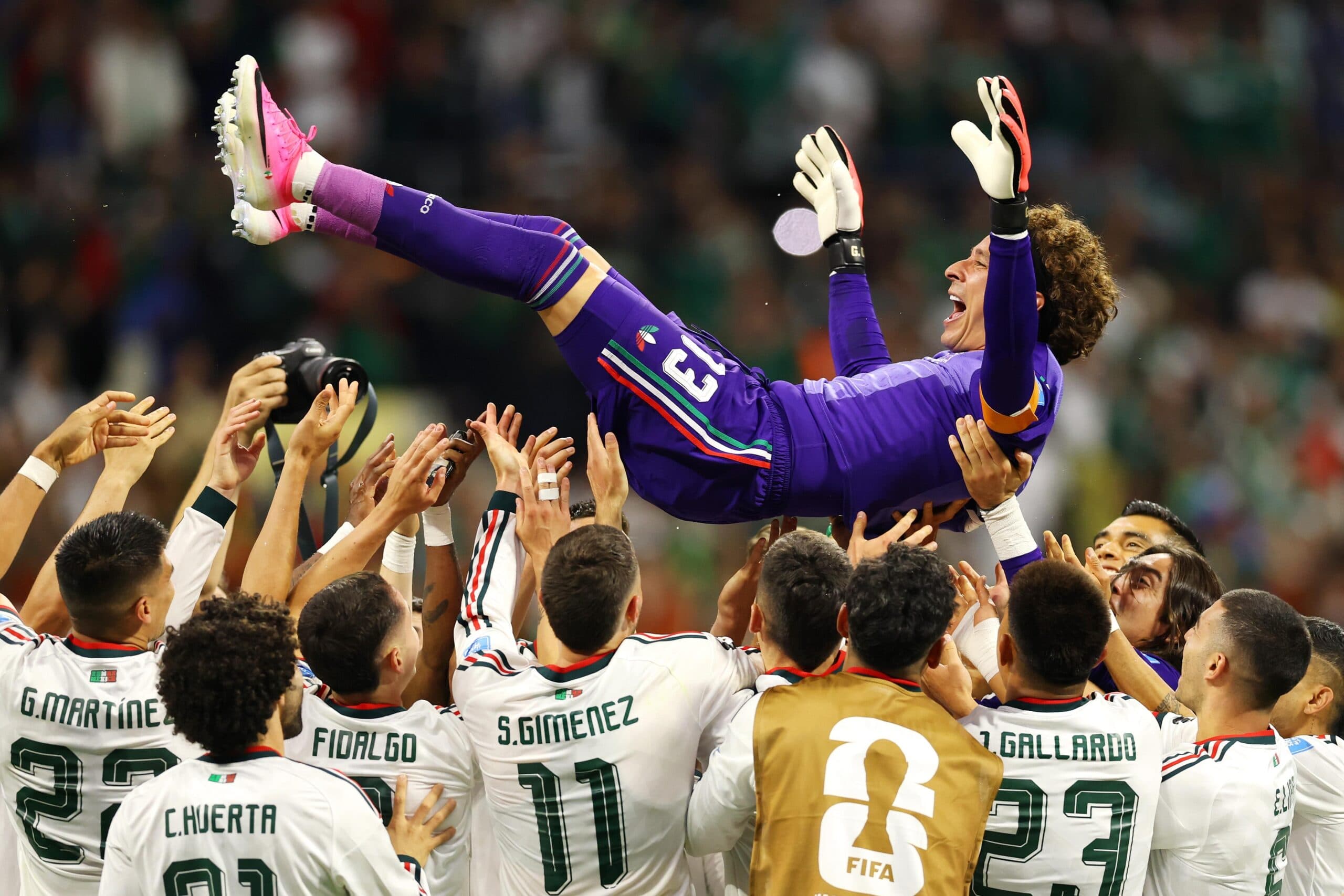
The 2026 FIFA World Cup is breaking streaming records worldwide, especially surprising in the United States, a country that has long viewed soccer as a niche sport.
A Streaming Milestone Nobody Saw Coming
This summer’s tournament, co-hosted by the US, Canada, and Mexico, marks a turning point for sports streaming. Brazil’s CazéTV, a YouTube-based sports channel, livestreamed Brazil’s opening match and attracted record-breaking concurrent viewers. This shows that free, ad-supported streaming on familiar platforms can rival traditional pay-TV broadcasts.
Imagine this: instead of needing a cable subscription or a separate sports app, fans in Brazil could watch their national team on the same platform where they enjoy cooking tutorials and music videos. That easy access is likely driving the numbers up significantly.
In the US, the situation looks just as impressive. Streaming platforms showing World Cup matches have reported viewership figures that would have seemed far-fetched just four years ago. The tournament’s timing in US time zones, the host-nation advantage, and the growth of sports streaming infrastructure all came together perfectly.
Why the US Market Is Different This Time
For years, soccer’s biggest hurdle in America wasn’t a lack of interest but rather access and timing. European leagues played at 7 am Eastern on Saturday mornings, and World Cups in Russia and Qatar had matches at inconvenient hours. The 2026 edition solves that issue entirely. Games are now taking place in afternoon and evening slots across US time zones, which is when Americans are most likely to watch.
The streaming infrastructure has improved as well. Services have invested heavily in low-latency delivery, meaning the stream doesn’t lag behind the actual action. For sports, that’s crucial. Nothing ruins a viewing party faster than someone getting a goal notification on their phone before it airs on TV.
The Tinder Effect: Soccer Is Even Changing Dating Apps
The World Cup’s cultural impact in 2026 goes beyond streaming platforms. Tinder has seen a noticeable increase in swipes, likes, and matches during tournament matches, according to Mashable. It seems the World Cup is giving people a common conversation starter, and dating app users are taking advantage of it.
This might seem small, but it’s telling. When a sporting event starts affecting behavior on a dating app, it crosses over from being just a sports story to becoming a genuine cultural moment.
| Metric | Detail |
|---|---|
| CazéTV Brazil opener | Record-breaking concurrent YouTube viewers |
| Platform | YouTube (free, ad-supported) |
| Host nations | United States, Canada, Mexico |
| US time zone advantage | Matches in afternoon/evening slots |
| Tinder activity | Spike in swipes, likes, and matches during matches |
What This Means for Everyday Viewers
If you’ve tried watching a major sporting event on streaming in the past and faced buffering, blackouts, or paywalls, 2026 feels different. Broadcasters and platforms have treated this tournament as a testing ground, and early results show they’ve largely succeeded.
For US fans, this World Cup could mark the shift from “good enough” streaming sports to a genuine preference. Younger viewers, who never developed the habit of watching cable TV, are tuning in to major matches on their phones, laptops, and smart TVs through apps, and the experience is solid. This shift could change how sports rights are sold and who pays for them.
This also matters for cord-cutters, the roughly 25% of US households that don’t pay for traditional cable or satellite TV. Until recently, live sports were the main reason many kept their cable subscriptions. A World Cup that streams successfully at scale weakens that last stronghold.
What Fans Are Saying
“Watched every USMNT game on my phone at work during lunch. The stream never dropped once. Two years ago that would’ve been a disaster.”
“CazéTV basically did what ESPN couldn’t figure out for 20 years. Put it on YouTube, make it free, let people share it. Simple.”
The Bigger Picture for Streaming
The 2026 World Cup arrives at a time when streaming services are under pressure to prove their worth. Netflix, Disney+, and others have raised subscription costs and tightened rules on password sharing. Live sports, which viewers feel compelled to watch in real-time, are increasingly viewed as essential for keeping subscribers from canceling.
As The Verge’s Lowpass newsletter points out, the record numbers being achieved now will directly influence how much broadcasters pay for the next round of sports rights deals. If streaming can reliably deliver World Cup-sized audiences, rights holders will be more inclined to sell exclusively to streaming platforms rather than traditional TV networks.
What To Watch
- Knockout stage viewership: Streaming numbers usually rise as the tournament progresses toward the final. Keep an eye out for updated figures as the quarterfinals and semifinals approach.
- Rights negotiations: FIFA’s next broadcast rights cycle will be heavily influenced by how this tournament performs on streaming. Look for announcements in late 2026 or early 2027.
- US soccer momentum: If the USMNT makes a deep run on home soil, US streaming records could be shattered multiple times before the final whistle.
- Platform competition: YouTube’s success with CazéTV in Brazil will catch the attention of Amazon, Apple, and Netflix, all of which are actively seeking live sports rights. Expect them to make bolder bids in the coming months.

Ava Mitchell
Ava Mitchell is a digital culture journalist at Explosion.com covering social media platforms, streaming services, and the creator economy. With 4 years reporting on TikTok, Instagram, YouTube, and the apps that shape daily life, Ava specializes in explaining platform policy changes and their impact on everyday users. She previously managed social media strategy for a tech startup, giving her firsthand experience with the platforms she now covers.