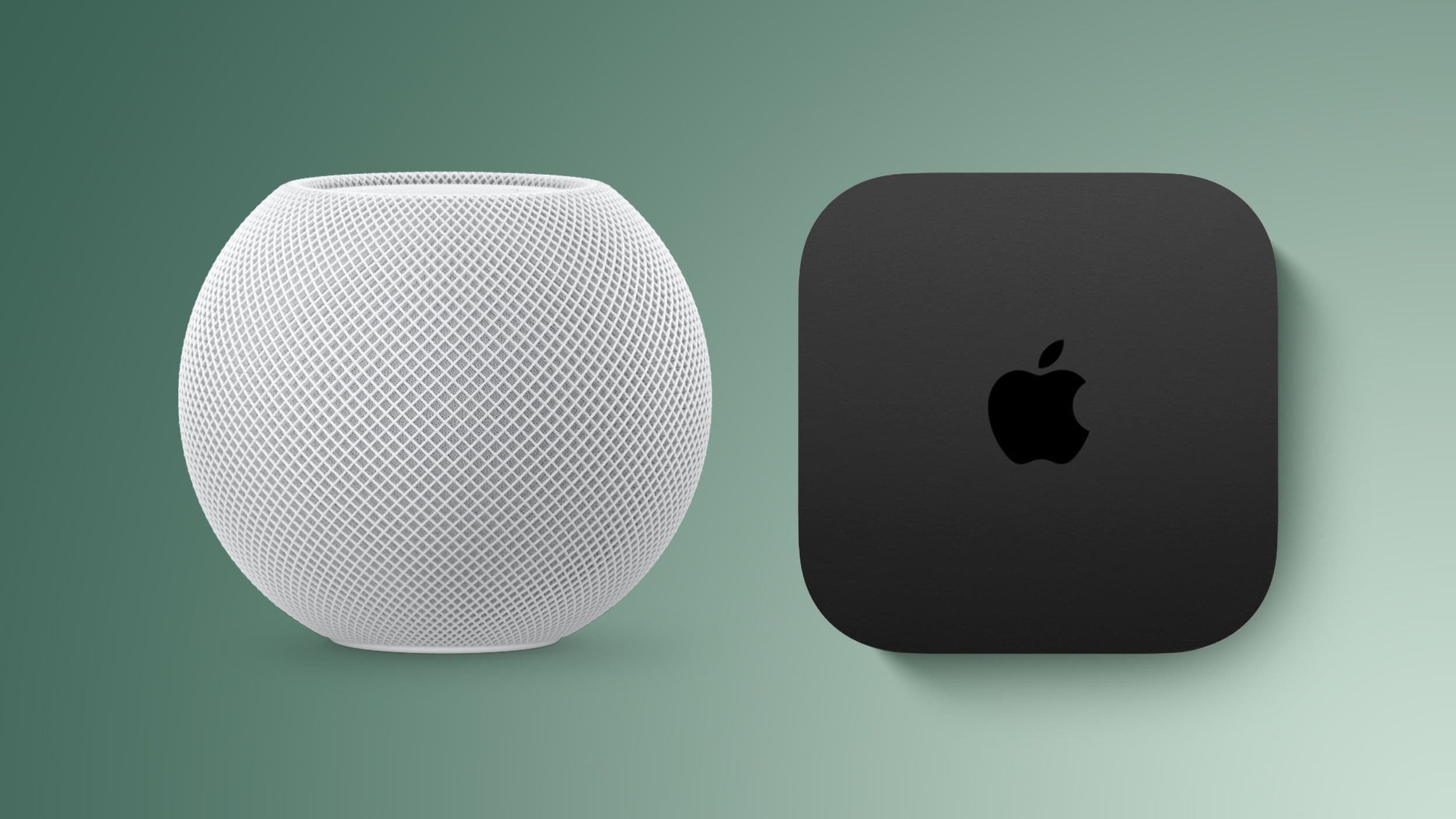
Apple has quietly increased prices on the Apple TV, HomePod, and HomePod mini across the globe. This comes despite the fact that none of these devices have seen updates in years, and there’s no indication that new versions are on the horizon. These price hikes arrived without any prior notice and without hardware upgrades to justify them.
This decision coincides with similar price increases on several Mac models. Apple attributed these hikes to rising memory costs, as reported by Ars Technica. The cost of memory chips, which temporarily store data while a device operates, has risen across the industry. Apple seems to be passing these costs directly onto consumers.
Which Products Got More Expensive
The three products affected by the price increase are:
- Apple TV 4K — This streaming box connects to your TV and runs apps like Netflix, Apple TV+, and games.
- HomePod — A full-size smart speaker featuring Siri.
- HomePod mini — A smaller, more affordable version of the HomePod.
According to MacRumors, all three products saw their prices rise at the same time across various global markets. The last hardware update for the Apple TV occurred in late 2022. The HomePod was discontinued before being relaunched in 2023, while the HomePod mini hasn’t had a new version since 2020.
| Apple — Company At a Glance | |
|---|---|
| CEO | Tim Cook |
| Headquarters | Cupertino, CA |
| Founded | 1976 |
| Ticker | AAPL |
| Stock Price | $308.63 (+4.84%) |
| Sector | Big Tech |
| Products Affected | Apple TV 4K, HomePod, HomePod mini |
| Stated Reason | Rising memory costs |
Why Is Apple Raising Prices on Old Hardware?
Apple’s reasoning focuses on the increased cost of memory chips, which have become pricier across the semiconductor industry. Think of it like a bakery raising the price of bread because flour costs more. The recipe remains unchanged, but sourcing ingredients is now more expensive.
This makes sense for a product that just launched. However, it’s a tougher sell for a streaming box that’s nearly four years old and a smart speaker that hasn’t been refreshed since the last days of the Obama administration.
Apple’s price hikes for Macs are easier to justify, as many of those devices use significant amounts of RAM, which has seen a price increase. Yet, the HomePod mini uses much less memory, making its price increase seem less warranted.
The Timing Is Awkward
Apple’s been unusually quiet regarding home and entertainment hardware. There’s no public roadmap for new versions of the Apple TV or HomePod. Reports indicate that Apple’s chip development is focused elsewhere. The company also confirmed it will skip the M6 Pro and M6 Max chips, suggesting a concentration of resources on specific product lines.
Most shoppers don’t want to pay more for aging hardware while waiting for replacements that haven’t been announced. If you planned to buy an Apple TV or HomePod soon, you’re now faced with higher prices for the same products you could have bought yesterday for less.
What This Means
If you already own an Apple TV or HomePod, nothing changes for you today. Your device will continue to function the same way.
If you were considering a purchase, you have a clear choice: pay the new higher price, wait to see if Apple releases updated models (with no timeline in sight), or explore alternatives like the Roku Ultra, Amazon Fire TV Stick, or Google Nest Audio.
For households already invested in the Apple ecosystem (iPhones, iPads, Macs all working together), switching to another platform can be inconvenient. Apple understands this, and these price increases may reflect a belief that loyal customers won’t abandon them over a price increase on secondary devices.
For everyone else, this is a good time to explore options. A Roku 4K streaming box offers many of the same features as an Apple TV at a much lower price. Google and Amazon’s smart speakers have improved significantly and are cheaper than the HomePod.
Community Reaction
Online reactions have been mixed, but many users express frustration. One Reddit user in the r/apple community summed it up:
“Charging more for a product that hasn’t been updated in years is peak Apple. At least update the hardware first.” — u/StreamingSkeptic42, r/apple
Others took a more measured approach, noting that component costs across the tech industry have fluctuated. Apple isn’t alone in passing these costs onto customers.
“Every manufacturer is dealing with memory price spikes right now. Apple’s just more visible about it because people watch every move they make.” — YouTube commenter on iJustine’s Apple pricing video
What To Watch
- New Apple TV announcement: No confirmed date, but the current model is nearing four years old. An update in late 2026 seems possible, even if Apple hasn’t indicated anything yet.
- HomePod refresh: The HomePod mini is particularly overdue. Keep an eye on Apple’s fall 2026 event cycle for any news on home hardware.
- Memory chip market: If global memory prices stabilize or decline, Apple might reverse some of these increases, though that’s rare once prices go up.
- Mac price ripple effects: Apple cited the same memory cost issues for Mac price hikes. If the iPhone lineup sees similar adjustments before its fall announcement, that will be a much bigger story.

Daniel Park
Daniel Park covers AI, cloud infrastructure, and enterprise software for Explosion.com. A former software engineer who transitioned to technology journalism 5 years ago, Daniel brings technical depth to his reporting on artificial intelligence, startup funding rounds, and the companies building the future of computing. He breaks down complex AI developments and business strategies into clear, actionable insights for readers who want to understand how technology is reshaping industries.