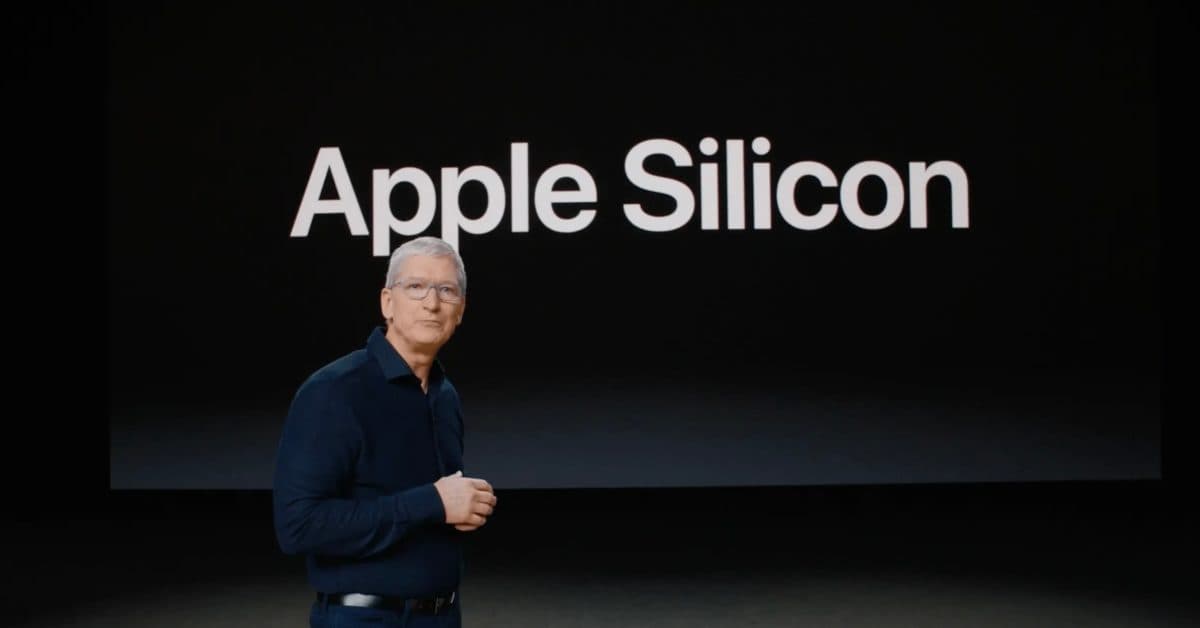
Apple is reportedly set to bypass the M6 Pro and M6 Max chips, moving directly to a new chip lineup structure. This change could represent a major shift in how Apple designs and names its Mac processors, as detailed in a recent report from 9to5Mac.
If this report holds true, it will be the first time since Apple transitioned away from Intel chips in 2020 that the company has skipped an entire tier of its Apple Silicon lineup (the custom processors Apple creates for its Macs and iPads).
What’s Actually Changing
To grasp the implications, let’s break down how Apple’s chip lineup usually operates. Typically, Apple introduces chips in three tiers: a base chip (like the M6), a Pro version, and a Max version. The Pro and Max chips power devices like the MacBook Pro, Mac Studio, and Mac Pro, providing professionals with the muscle they need for tasks such as video editing, 3D rendering, and music production.
By skipping the Pro and Max versions of the M6, Apple appears to be compressing or restructuring its chip lineup. Imagine a car company that usually offers a sedan, a sporty variant, and a high-performance model, but decides to leap from the base sedan straight to a reimagined performance model, ignoring the sporty option altogether.
What will replace the M6 Pro and M6 Max isn’t entirely clear yet. However, the report hints that Apple might be reevaluating how it categorizes its high-end chips instead of simply dropping the products that would have utilized them.
Price Hikes Are Already Here
This chip news comes as Apple has already lifted prices on several Mac and iPad products. TechCrunch reports that Apple recently increased the prices of the MacBook Air, MacBook Pro, iPad Air, and iPad Pro, while keeping iPhone prices steady for now.
The combination of a revamped chip lineup and rising prices means that anyone eyeing a high-end Mac might face a longer wait and a heftier bill when the next generation finally arrives.
| Apple (AAPL) — Company Snapshot | |
|---|---|
| Stock Price | $308.63 (+4.84%) |
| CEO | Tim Cook |
| Headquarters | Cupertino, CA |
| Founded | 1976 |
| Sector | Big Tech |
Why Would Apple Do This?
There are a few solid reasons Apple might be restructuring its chip tiers. One reason is manufacturing complexity. As chips grow more powerful, they also become tougher and pricier to produce. Apple might want to simplify its chip production process, especially as it aims for more advanced chip fabrication (the physical chip-building process, usually measured in nanometers).
Another reason could be that Apple is gearing up for a more substantial generational leap. By consolidating what would have been two chip tiers into one, Apple could create a bigger impact with the announcement instead of rolling out incremental updates.
Then, there’s the AI factor. With increasing pressure to enhance on-device AI performance, a restructured chip lineup could help Apple achieve a more significant improvement in the neural engine (the chip component dedicated to AI and machine learning tasks) rather than just making small enhancements to existing tiers.
What This Means
For everyday users, the immediate impact is uncertainty. If you’re thinking about buying a MacBook Pro, Mac Studio, or Mac Pro, the usual advice of “wait for the next chip generation” becomes tricky when the timeline and structure of that next generation aren’t clear.
For professionals who rely on high-end Macs, this might mean a longer wait for a meaningful upgrade. However, it could also mean that the next high-end chip is a more significant advance than a typical yearly update. The price hikes already in effect suggest that whenever those new machines arrive, they probably won’t be cheaper than the current options.
For the average MacBook Air buyer, this likely won’t change much in the near term. The base M6 chip is still expected to debut on schedule, and the Air usually gets the new base chip first.
Community Reaction
“If they skip Pro and Max just to rebrand them as ‘M6 Ultra Lite’ or something, I’m going to be so tired. Just give us the chips.”
— Reddit user in r/apple
“This actually makes sense if they’re consolidating the lineup. The gap between M-series chips and what competitors offer in AI performance is closing fast. Apple probably needs a bigger jump than an incremental Pro update.”
— YouTube comment on 9to5Mac’s coverage
What To Watch
- Apple’s fall event (expected September/October 2026): This is when Apple typically updates its Mac lineup. Any clarity about the M6 Pro and Max situation, or their replacements, will likely come here.
- MacBook Pro refresh timing: The MacBook Pro is the main device that utilizes the Pro and Max chips. Keep an eye on any supply chain updates regarding its next refresh.
- iPhone pricing decisions: Apple has kept iPhone prices steady for now, according to TechCrunch, but that could change. How consumers react to Mac and iPad price increases may influence Apple’s next moves.
- Competitor chip announcements: Qualcomm and Intel are both pushing hard on AI-capable laptop chips. It’ll be interesting to see how Apple responds in its next generation.
Sources: 9to5Mac: Apple will skip M6 Pro and M6 Max chips, new report says | TechCrunch: Apple raises Mac and iPad prices, spares iPhone for now

Ava Mitchell
Ava Mitchell is a digital culture journalist at Explosion.com covering social media platforms, streaming services, and the creator economy. With 4 years reporting on TikTok, Instagram, YouTube, and the apps that shape daily life, Ava specializes in explaining platform policy changes and their impact on everyday users. She previously managed social media strategy for a tech startup, giving her firsthand experience with the platforms she now covers.