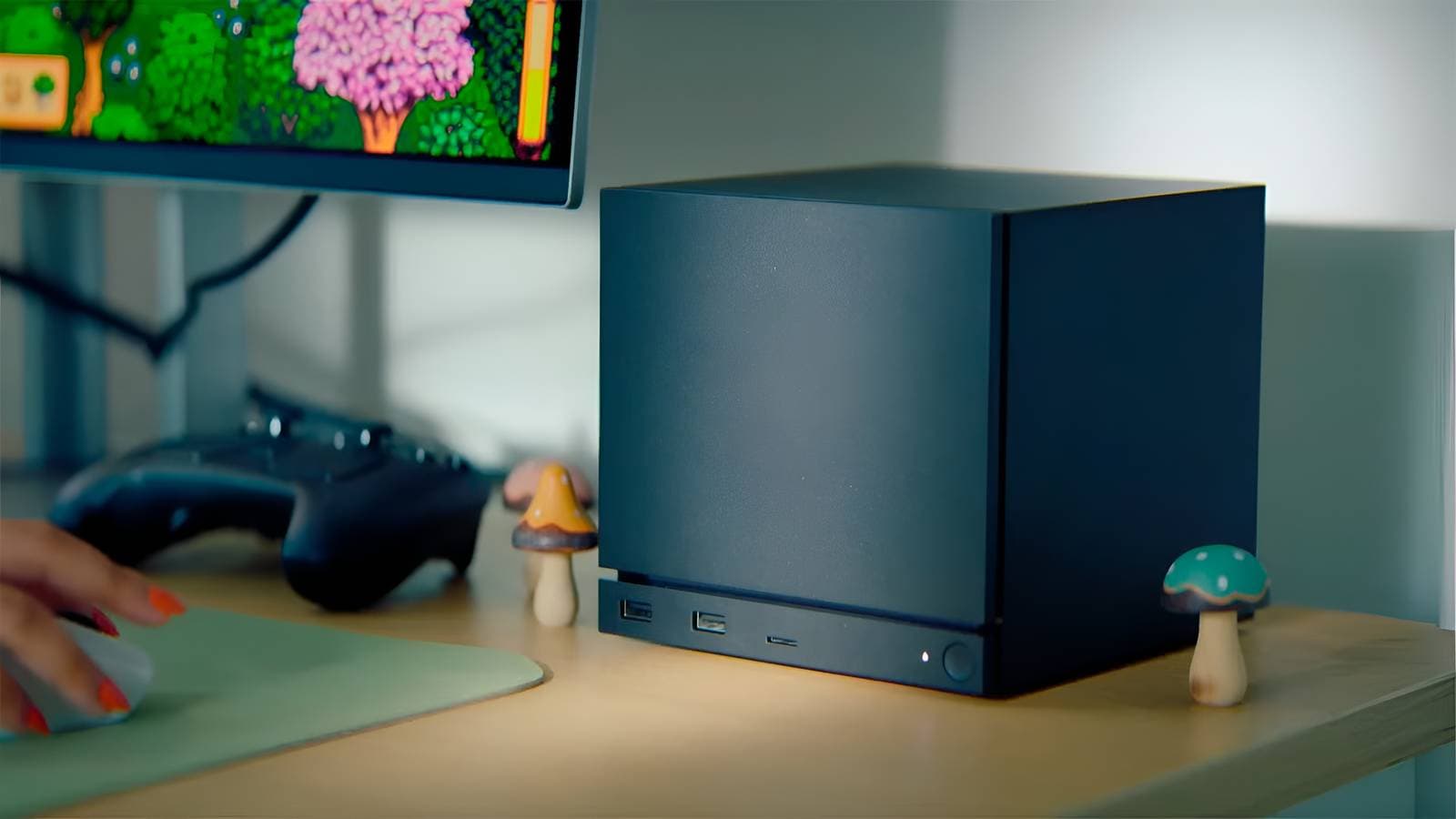
Valve has a simple solution for gamers wanting a living room PC without the high cost of a commercial Steam Machine: build your own.
The company behind Steam, the largest PC gaming platform, has shared official guidance urging users to create their own Steam Machine-style PC instead of waiting for a commercial option. This marks a shift from a company that spent years pushing hardware manufacturers to produce Steam Machines for them.
What’s a Steam Machine, Anyway?
A Steam Machine is basically a PC designed to sit under your TV and run games using Steam’s living room interface, called Big Picture Mode. It’s like a gaming console, but it uses standard PC hardware and runs your existing Steam library. The first Steam Machines debuted in 2015 from companies like Alienware and Zotac, but the line phased out by 2018 due to low sales.
Valve’s Steam Deck, a handheld gaming PC released in 2022, sparked renewed interest in dedicated Steam hardware. However, a handheld is different from a full living room setup. Today, commercial desktop Steam Machines come with price tags that many buyers find steep.
What Valve Is Actually Suggesting
According to guidance shared by XDA Developers, Valve encourages users to try SteamOS, the Linux-based operating system that powers the Steam Deck. Valve has made SteamOS available for installation on standard PC hardware. This means you can take a mini PC or a custom-built desktop, install SteamOS, and enjoy a Steam Machine-like experience without needing dedicated hardware.
The main advantage? Cost. You can put together or buy a mini PC with an AMD Ryzen chip for a few hundred dollars, much less than branded Steam Machines. Combine it with a controller, plug it into your TV, and you’ve got a working living room gaming PC.
SteamOS manages everything smoothly. It boots right into Steam’s TV-friendly interface, handles game compatibility through Proton (Valve’s software that allows Linux to run Windows games), and optimizes performance settings without needing you to dive into a command line.
Why This Matters Now
Valve’s push comes at a time when SteamOS has improved greatly. The same software that makes the Steam Deck one of the best-reviewed handheld gaming devices now runs reliably on a wider range of PC hardware. Valve has been expanding hardware compatibility testing, and community members have documented successful installations on many mini PC configurations.
There’s also a bigger picture. Console gaming hardware prices have risen. The PlayStation 5 and Xbox Series X both cost $499 for their standard editions. A self-built SteamOS machine can fit into that price range while giving you access to a game library that often features titles on deep discount during Steam’s frequent sales.
| Metric | Figure |
|---|---|
| Active Steam users (monthly) | 132 million |
| Games in Steam catalog | 70,000+ |
| Steam Deck units sold (est. 2023) | 3 million+ |
| SteamOS compatible titles (Deck Verified + Playable) | 15,000+ |
| Original Steam Machine launch year | 2015 |
What This Means for Everyday Users
If you’ve wanted a gaming setup in your living room but didn’t want to deal with a full Windows PC or pay console prices, this is the most practical option Valve has offered. You don’t have to be a hardware whiz. A mini PC from brands like Beelink or Minisforum, with AMD-powered units starting around $150 to $300 based on specs, can run SteamOS. Valve’s guidance provides a clear path for installation.
The downside? You’ll need to be somewhat comfortable with the setup. Installing an operating system isn’t as simple as plugging in a console. You’ll need a USB drive, a willingness to follow instructions, and some patience if things don’t work perfectly the first time. Game compatibility isn’t universal either. While Proton works well with most popular titles, some games, especially those with strict anti-cheat software, don’t run on Linux at all.
If you mainly play single-player games or popular multiplayer titles like Counter-Strike or Elden Ring, those gaps probably won’t bother you. But if you focus on a game like Valorant, which doesn’t allow Linux at all, this setup won’t be suitable.
Community Reactions
“I’ve been running SteamOS on a Beelink mini PC for six months, and it works better than my actual Steam Deck in some ways. The setup took an afternoon, but now my wife uses it without knowing it’s not a console.”
“This is basically Valve admitting they’re never making a proper Steam Machine. ‘Just build it yourself’ isn’t a product strategy, it’s a shrug.”
What To Watch
- SteamOS general release: Valve is testing a broader public release of SteamOS beyond just Steam Deck hardware. An official stable release for general PC installation would help less technical users.
- Hardware compatibility expansion: Keep an eye on Valve’s official hardware compatibility list. More verified mini PCs mean less guesswork for buyers.
- Anti-cheat support: A major hurdle for SteamOS adoption is games that block Linux. There’s growing pressure on developers like Riot Games to enable Linux anti-cheat support, and any progress here could broaden the appeal of a DIY Steam Machine.
- Steam Deck 2: Valve has confirmed a next-generation Steam Deck is in development. What that will look like and whether it inspires a new wave of commercial Steam Machine partners could change this entire conversation.
Sources: XDA Developers: Can’t afford a Steam Machine? Just build your own, says Valve

Maya Torres
Maya Torres is the Consumer Tech Editor at Explosion.com with 7 years covering product launches for major technology publications. She has reviewed over 300 devices across smartphones, laptops, wearables, and smart home products. Maya specializes in translating spec sheets into real-world buying advice and attends CES, MWC, and Apple keynotes as press. Her reviews focus on helping readers decide what to buy, not just what specs look good on paper.