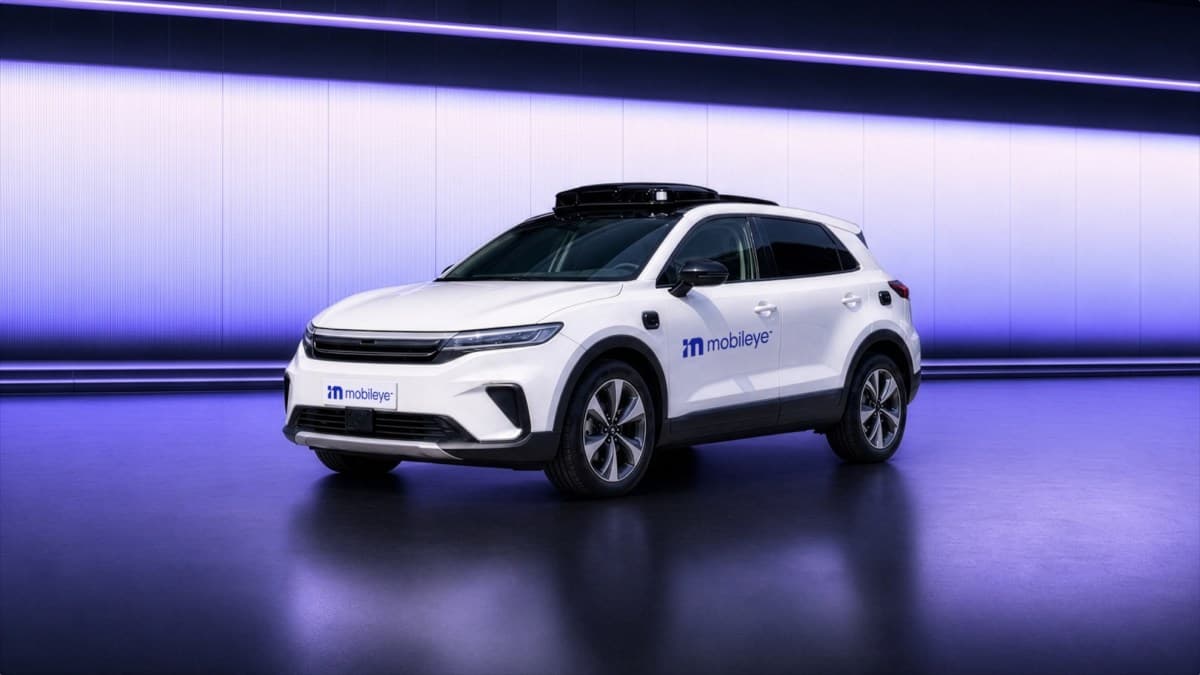
Mobileye, the Israeli self-driving tech firm owned by Intel, is set to launch its own robotaxi service in a US city by 2027. This move places it in direct competition with the automakers and fleet operators that currently rely on its technology.
From Supplier to Competitor
For years, Mobileye has quietly provided autonomous driving systems—the hardware and software that enable cars to see the road and make decisions—to major automakers. It’s like an engine manufacturer suddenly deciding to build and sell its own vehicles. That’s the leap Mobileye is making.
The company aims to leverage its Moovit platform for this new service. Moovit is a transit and mobility app Mobileye acquired in 2020, already helping millions navigate public transportation in cities worldwide. By adding a robotaxi network to this established framework, Mobileye can tap into a ready user base and routing intelligence right from the start.
What Makes This Different From Waymo or Cruise
The autonomous vehicle market in the US already has big players. Waymo, part of Google’s parent company Alphabet, runs commercial robotaxi services in San Francisco, Phoenix, and Los Angeles. Cruise, General Motors’ AV division, has experienced significant setbacks following a 2023 safety incident. Tesla is still promising its own robotaxi launch.
Mobileye’s approach stands out. It supplies its EyeQ chips and SuperVision driver assistance systems to companies like BMW, Volkswagen, and Zeekr. Launching a consumer robotaxi service means it will compete for ride-hailing customers while also relying on those same automakers to keep purchasing its technology. It’s a delicate balance.
Previously, Mobileye has teamed up with automakers on AV pilot programs, including a project with Volkswagen’s Moia in Germany. This US launch marks a significant shift toward full independence in the commercial sector.
| By The Numbers: Mobileye At a Glance | |
|---|---|
| Parent Company | Intel (majority owner since 2017) |
| Moovit Users | 1+ billion users across 3,500+ cities |
| Planned US Launch | 2027 |
| Headquarters | Jerusalem, Israel |
| Mobileye IPO Year | 2022 (NASDAQ: MBLY) |
| Key Existing AV Partners | BMW, Volkswagen, Zeekr, Nio |
The Business Tension
This decision creates a real conflict of interest that’s worth monitoring. Automakers licensing Mobileye’s technology for their own autonomous or semi-autonomous vehicles may now regard Mobileye as a competitor for rides, not just a vendor. If a BMW customer can hail a Mobileye robotaxi instead of opting for a Mobileye-equipped BMW, that’s pressure on both sides.
Industry analysts have noticed this trend in tech: component suppliers are moving up the value chain to grab more revenue. It’s similar to Qualcomm, which makes chips for Android phones but is now venturing into finished devices and computing platforms. Suppliers want a spot at the consumer table.
The specific US city for the 2027 launch hasn’t been revealed yet. Since regulatory approval requirements vary greatly by state and city, that choice will likely depend on where Mobileye can navigate the permitting process most smoothly.
What This Means for Everyday Riders
If you’re a regular Uber or Lyft user, here’s what to expect: by 2027, Mobileye aims to be another option on your phone when you need a ride, with no human driver behind the wheel. The service will operate through the Moovit app, which is already available for free download.
More robotaxi competition is good news for consumers. With more players in the market, prices usually drop, and service reliability improves as companies vie for riders. Currently, Waymo’s prices are on par with or slightly higher than typical rideshare rates in its operating cities. A newcomer like Mobileye will need to set competitive prices to capture market share.
Safety is always a top concern with driverless vehicles. Mobileye’s technology has a solid track record powering driver-assistance features in production cars. However, scaling up to fully autonomous commercial taxi operations presents a different set of challenges.
Community Reaction
“Mobileye making their own robotaxi is like NVIDIA deciding to open data centers and compete with AWS after selling them GPUs for years. Their partners have to be sweating a little.”
— u/AutonomousSkeptic, Reddit r/SelfDrivingCars
“Moovit already has solid transit data in tons of cities. That’s actually a smart foundation to build a robotaxi network on top of. Most AV companies had to start that routing infrastructure from scratch.”
— YouTube comment on Ars Technica’s coverage of the announcement
What To Watch
- City selection announcement: Mobileye hasn’t revealed its target US launch city yet. Keep an eye out for regulatory filings and local government announcements in AV-friendly states like California, Texas, and Arizona in the coming months.
- Partner response: How major automakers like BMW and Volkswagen react to this announcement will indicate whether the supplier-customer relationship is under strain.
- Intel’s role: Intel has faced significant financial pressure and is exploring options for its Mobileye stake. Any changes in Intel’s ownership could impact Mobileye’s funding for the 2027 launch.
- 2027 launch window: The AV industry has a history of timeline delays. Waymo took years longer than expected to reach commercial scale. Watching if Mobileye meets its stated timeline will be a key story through 2026 and 2027.
Sources: TechCrunch, Ars Technica

Ava Mitchell
Ava Mitchell is a digital culture journalist at Explosion.com covering social media platforms, streaming services, and the creator economy. With 4 years reporting on TikTok, Instagram, YouTube, and the apps that shape daily life, Ava specializes in explaining platform policy changes and their impact on everyday users. She previously managed social media strategy for a tech startup, giving her firsthand experience with the platforms she now covers.