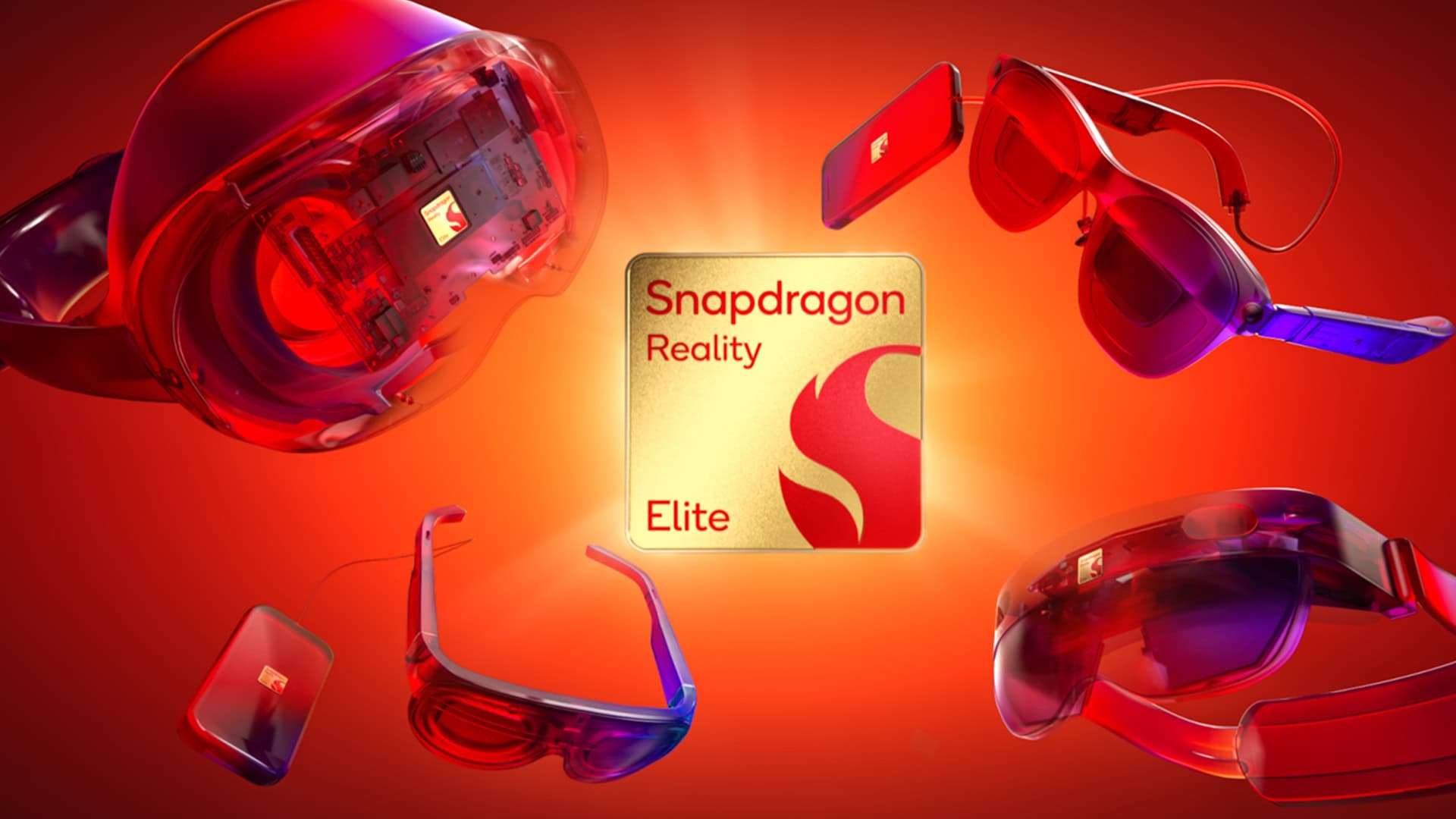
Xreal’s Android XR Aura smart glasses are set to launch this fall, powered by a new Qualcomm chip called the Snapdragon Reality Elite. This marks the first time this processor will be featured in consumer devices outside of Google’s products.
| By The Numbers: Qualcomm (QCOM) | |
|---|---|
| Stock Price | $227.66 (+0.69%) |
| CEO | Cristiano Amon |
| Headquarters | San Diego, CA |
| Founded | 1985 |
| Sector | Hardware / Semiconductors |
| First devices with new chip | Google Android XR headset, Xreal Aura |
A Chip Designed for Glasses, Not Just Phones
The Snapdragon Reality Elite is Qualcomm’s latest processor, crafted specifically for extended reality (XR) devices. XR covers anything that overlays digital images onto your real-world view, from basic smart glasses to full virtual reality headsets. This chip is different from the Snapdragon processors used in Android phones; it’s built to meet the unique needs of wearable displays.
What sets this chip apart is its emphasis on three critical areas that have held back smart glasses for years: graphics performance, battery efficiency, and on-device AI processing. Qualcomm promises improvements in all three areas, though they haven’t shared specific benchmark numbers ahead of the fall launch.
Could This Chip Eliminate the “Puck”?
If you’ve checked out high-end AR (augmented reality) glasses, you might have noticed that many of them require a computing unit, often referred to as a “puck,” that clips to your belt or fits in your pocket. This design stems from the challenge of packing enough processing power into lightweight glasses.
The Snapdragon Reality Elite changes that game. According to Android Authority, its efficiency allows manufacturers to eliminate the external compute puck if they choose. Think about it like the evolution from early laptops with bulky power bricks to today’s sleek models that handle demanding tasks effortlessly.
Xreal’s Aura glasses seem to embrace this advantage. They run Android XR, Google’s operating system for smart glasses and headsets, without needing a companion processing unit.
Android XR: Google’s Vision for Smart Glasses
Android XR is Google’s operating system tailored for headsets and smart glasses, distinct from the Android on your phone. This platform aims to unify XR devices, similar to how Android brought together smartphones. The Xreal Aura is shaping up to be among the first consumer devices to feature it, alongside hardware from Google.
As reported by CNET, the Snapdragon Reality Elite could find its way into various future headsets, but Xreal and Google are the frontrunners. This gives them a head start, assuming the chip lives up to its promise.
Implications for Everyday Users
For those interested in smart glasses but hesitant due to bulk, battery issues, or the awkwardness of a computing puck, the Xreal Aura offers a compelling solution. Here’s what you can expect:
- No external puck: If the efficiency holds up in real-world use, the Aura could be a self-contained device, with everything integrated into the glasses frame.
- Improved battery life: A more efficient chip should lead to longer use between charges, addressing a major concern for current XR devices.
- On-device AI: Features like real-time translation and object recognition can run locally, without needing a constant internet connection, enhancing privacy.
- Access to Android apps: Since the Aura runs Android XR, it should provide access to a library of apps designed for Google’s ecosystem.
Community Feedback
Initial reactions to the announcement have been cautious yet intrigued. In Reddit’s r/AR_MR_XR community, one user commented:
“The puck-free design is the only thing that matters to me. Everything else is secondary. If it actually works without one, I’m paying attention.” — u/DisplayTechWatcher
On YouTube, viewers responded to the announcement trailer in a familiar fashion:
“Every year we hear ‘this is the one’ for smart glasses. Reserving judgment until reviewers actually get their hands on it.” — YouTube commenter on Xreal’s official channel
What to Keep an Eye On
- Fall 2026: Xreal aims to launch the Aura during this period. No specific date is confirmed, so look out for pre-order announcements in late summer.
- Pricing: Xreal hasn’t set a price yet. Their current models range from about $200 to $700, so the Aura’s price will be crucial for its mainstream appeal.
- Google’s own Android XR device: Google is also expected to release hardware running Android XR, with the Snapdragon Reality Elite included. More details from Google could clarify the platform’s full scope.
- Competing announcements: Meta, Apple, and Samsung are all developing XR hardware. A strong showing from Xreal and Qualcomm might prompt quicker announcements from those companies.

Maya Torres
Maya Torres is the Consumer Tech Editor at Explosion.com with 7 years covering product launches for major technology publications. She has reviewed over 300 devices across smartphones, laptops, wearables, and smart home products. Maya specializes in translating spec sheets into real-world buying advice and attends CES, MWC, and Apple keynotes as press. Her reviews focus on helping readers decide what to buy, not just what specs look good on paper.