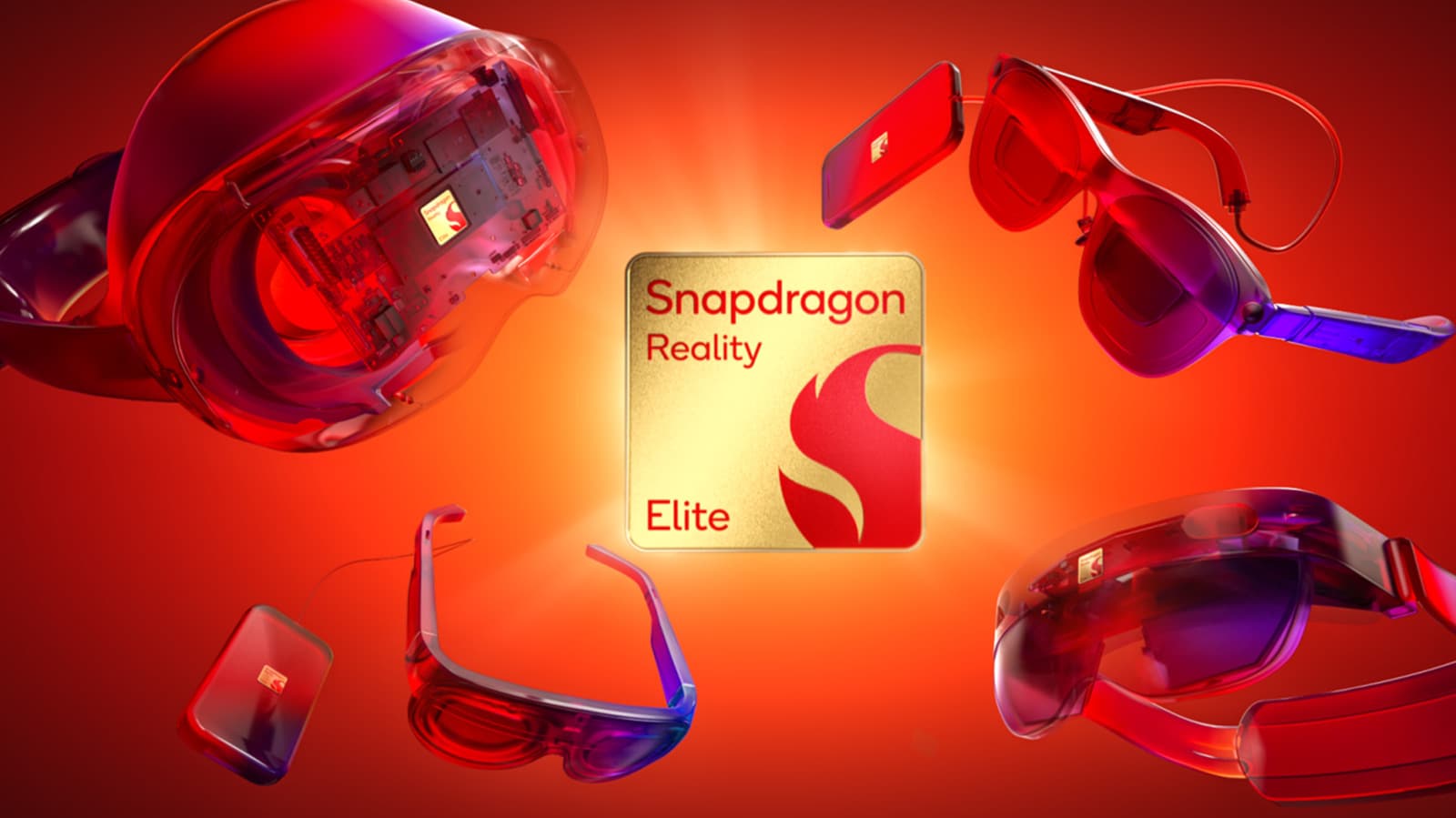
Qualcomm has introduced the Snapdragon Reality Elite, its most powerful chip for augmented and mixed reality devices, along with a new development platform named START. This platform aims to simplify the process for manufacturers building AR glasses.
The announcements took place at Augmented World Expo 2026. Qualcomm highlighted the Reality Elite as the driving force behind what it expects to be the next generation of standalone AR headsets and smart glasses.
What Is the Snapdragon Reality Elite?
The Snapdragon Reality Elite is a system-on-chip, combining a processor, graphics unit, and AI engine into a single piece of silicon designed specifically for XR devices. XR, or extended reality, includes augmented reality (AR), virtual reality (VR), and mixed reality (MR) experiences.
To put it simply, it’s like comparing a smartphone chip to a gaming console chip. Most AR glasses today use chips from smartphones, which means they often compromise on performance to conserve battery life. The Reality Elite is built for its specific purpose, allowing manufacturers to enhance visual quality, real-time AI processing, and hand or eye tracking without quickly draining the battery.
While Qualcomm hasn’t revealed all the specifications yet, this chip is touted as the company’s flagship XR processor, positioned above the current Snapdragon XR2 Gen 2, which powers devices like Meta’s Quest 3.
START: Making AR Glasses Easier to Build
Along with the chip, Qualcomm launched the START platform, short for Snapdragon Technology for AR. This initiative aims to provide hardware makers with a reference design—a pre-approved blueprint that companies can use to build products, rather than starting from scratch. This should speed up and reduce the cost of creating AR glasses.
This is important because one of the main obstacles to getting more AR glasses on store shelves isn’t just the chip. It’s also the engineering time needed to assemble all the components into something lightweight and wearable. START intends to lower that barrier, similar to how Android’s reference designs helped numerous smartphone brands release devices without building every piece from the ground up.
Early signs of success: Xreal has confirmed its upcoming Aura Glasses, expected this fall, will use a new Qualcomm chip. This suggests that the Reality Elite ecosystem is already attracting hardware partners.
Who Makes AR Glasses With Qualcomm Chips?
Qualcomm is the leading supplier of chips for standalone XR headsets. Devices in Meta’s Quest lineup, Lenovo’s ThinkReality series, and several other enterprise headsets all utilize Snapdragon XR chips. The Reality Elite targets the next wave of these products, focusing on glasses-style designs that are lighter and more wearable, moving away from the bulkier headsets that characterized the initial VR wave.
| Detail | Info |
|---|---|
| Company | Qualcomm (QCOM) |
| Stock Price | $221.90 (-1.86%) |
| CEO | Cristiano Amon |
| Headquarters | San Diego, CA |
| Founded | 1985 |
| Sector | Hardware / Semiconductors |
What This Means
If you’ve been keeping an eye on the AR glasses market but haven’t found anything appealing, this announcement is significant. A chip designed specifically for AR and a user-friendly development platform are crucial elements needed to bring better, lighter, and longer-lasting AR glasses to market more quickly.
The potential benefits for everyday users include AR glasses that don’t need to connect to a phone, more precise hand tracking, and real-time AI overlays—imagine live translations appearing right in front of you. While none of this is guaranteed, it becomes more possible with a chip crafted for those goals from the outset.
For now, this is just a chip announcement and not a product launch. The glasses powered by the Reality Elite are still in development. However, Xreal’s timeline for the Aura Glasses this fall offers a tangible first look at what the platform can achieve.
Community Reactions
“The START platform is actually the more interesting announcement here. Getting more manufacturers on board with good reference designs is how you get prices down and options up.”
— u/optics_nerd on Reddit
“Been waiting for a real chip built for glasses, not just a phone chip crammed into a headset. This is what the category needed.”
— YouTube comment on 9to5Google’s AWE 2026 coverage
What To Watch
- Fall 2026: Xreal’s Aura Glasses are expected to launch, providing the first real-world insight into what Qualcomm’s new chip can do in a consumer product.
- Qualcomm’s partner announcements: Keep an eye out for more hardware makers to unveil Reality Elite-based devices in the months following AWE 2026. The START platform is set up to speed up these announcements.
- Full chip specifications: Qualcomm hasn’t released complete specs for the Reality Elite yet. More detailed performance information, including AI processing speed and power consumption data, is likely to come closer to the first product launches.
Sources: Engadget | 9to5Google

Daniel Park
Daniel Park covers AI, cloud infrastructure, and enterprise software for Explosion.com. A former software engineer who transitioned to technology journalism 5 years ago, Daniel brings technical depth to his reporting on artificial intelligence, startup funding rounds, and the companies building the future of computing. He breaks down complex AI developments and business strategies into clear, actionable insights for readers who want to understand how technology is reshaping industries.