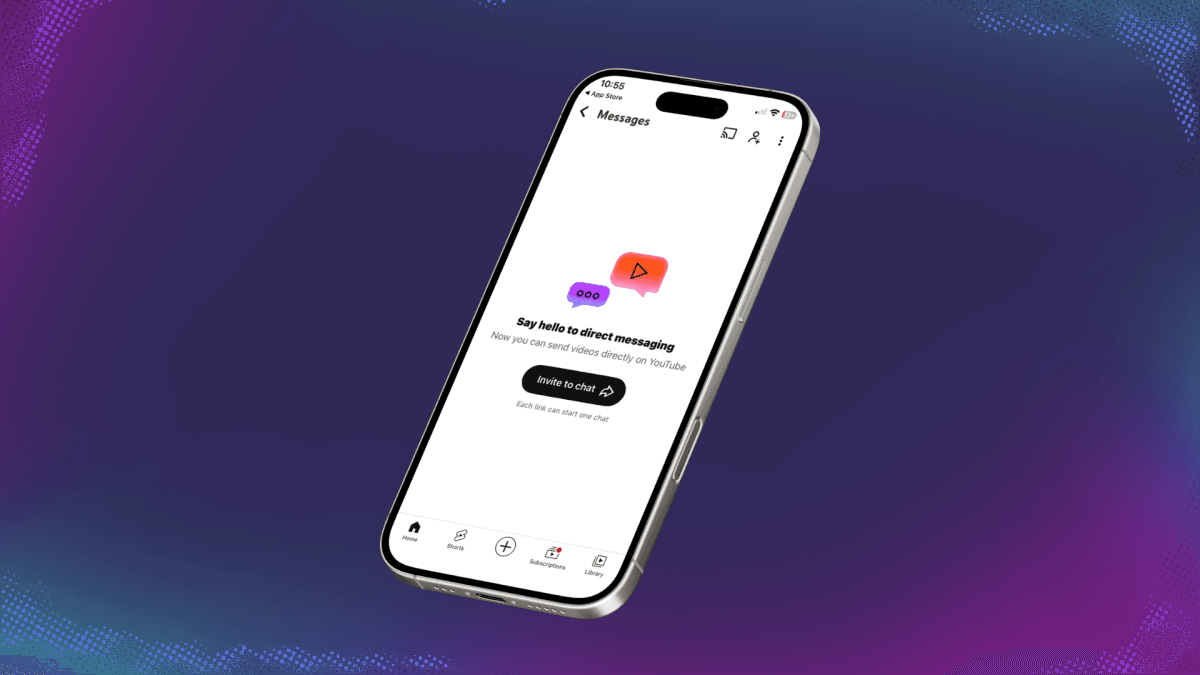
YouTube is bringing back direct messaging, six years after the platform quietly eliminated the feature in 2019. The company announced it’s now rolling out in-app private messaging to users in the United States and other regions around the world. This update allows people to share videos and chat about them without leaving the app.
What Happened to YouTube DMs the First Time?
YouTube initially offered direct messaging for users to share videos privately with friends. The company pulled the feature in September 2019 without much notice. This left users who depended on it scrambling to use Instagram, iMessage, or just copying and pasting links. For six years, if you wanted to send a YouTube video directly to a friend through YouTube, you couldn’t do it.
Now, YouTube claims it spent time last year testing new ways for users to share videos and “have conversations about them” before deciding to bring messaging back on a larger scale. Think of it as a group chat focused on a video, rather than a typical inbox. The emphasis is on sharing content and reacting together.
How the New DMs Work
According to YouTube’s official announcement, the feature includes a new messaging icon within the app. Users can share videos directly to other YouTube accounts and chat about them in a private thread. The rollout starts in the US and will expand to other global markets, though YouTube hasn’t provided a specific timeline for full worldwide availability.
This new system differs from the previous DM setup, which functioned more like a general inbox. The new version focuses specifically on video sharing. It’s closer to how you might share a Reel in Instagram’s DMs and then discuss it with a friend, but it’s entirely within YouTube.
What This Means for Everyday Users
If you’ve ever texted a YouTube link to someone and then switched to a different app for the conversation, this feature is for you. YouTube wants to keep that entire exchange — the sharing, the reactions, and the back-and-forth — within its own platform, rather than losing you to iMessage or WhatsApp right after you hit send.
This update could matter for YouTube creators, too. If fans can talk about videos privately inside YouTube instead of heading to Reddit or Discord, that keeps more activity (and data) on YouTube’s platform. It’s a retention strategy as much as an improvement in user experience.
However, there are valid concerns about privacy and moderation. Direct messaging on any large platform can open doors for harassment and spam. YouTube hasn’t yet detailed what safety tools will be available at launch, so that’s something to keep an eye on as the rollout continues.
| By The Numbers | |
|---|---|
| Years without YouTube DMs | 6 (feature removed September 2019) |
| Current rollout region | United States + select global markets |
| Feature removed | September 2019 |
| Feature returning | June 2025 |
What People Are Saying
Online reactions have ranged from genuine surprise to dry humor. On Reddit, user u/throwaway_techvibes commented: “YouTube DMs are back and I still don’t have anyone to send YouTube videos to. Progress.” On YouTube itself, comments under the announcement video expressed curiosity. Many users admitted they’d forgotten the feature existed, which probably reflects how much it was missed.
Others highlighted the timing. With platforms like Instagram and TikTok pushing users to share content within their own apps, YouTube’s return of DMs seems less about nostalgia and more like a competitive move to keep users from switching to other apps mid-session.
What To Watch
- Global expansion timeline: YouTube mentioned the rollout covers the US and “other global markets” but hasn’t provided specific dates for broader availability. Keep an eye out for region-by-region announcements in the coming weeks.
- Safety and moderation details: How YouTube deals with spam, harassment, and unwanted messages in the new DM system will be crucial. This will determine if the feature remains or becomes a headache for users and the platform.
- Creator tools: It’ll be interesting to see if YouTube gives creators any options regarding who can DM them, similar to how Instagram allows verified accounts to filter message requests from non-followers.
- Usage data: If YouTube shares any engagement numbers about the feature in future earnings calls or creator briefings, that’ll indicate whether this second attempt at DMs is more successful than the first.

Daniel Park
Daniel Park covers AI, cloud infrastructure, and enterprise software for Explosion.com. A former software engineer who transitioned to technology journalism 5 years ago, Daniel brings technical depth to his reporting on artificial intelligence, startup funding rounds, and the companies building the future of computing. He breaks down complex AI developments and business strategies into clear, actionable insights for readers who want to understand how technology is reshaping industries.