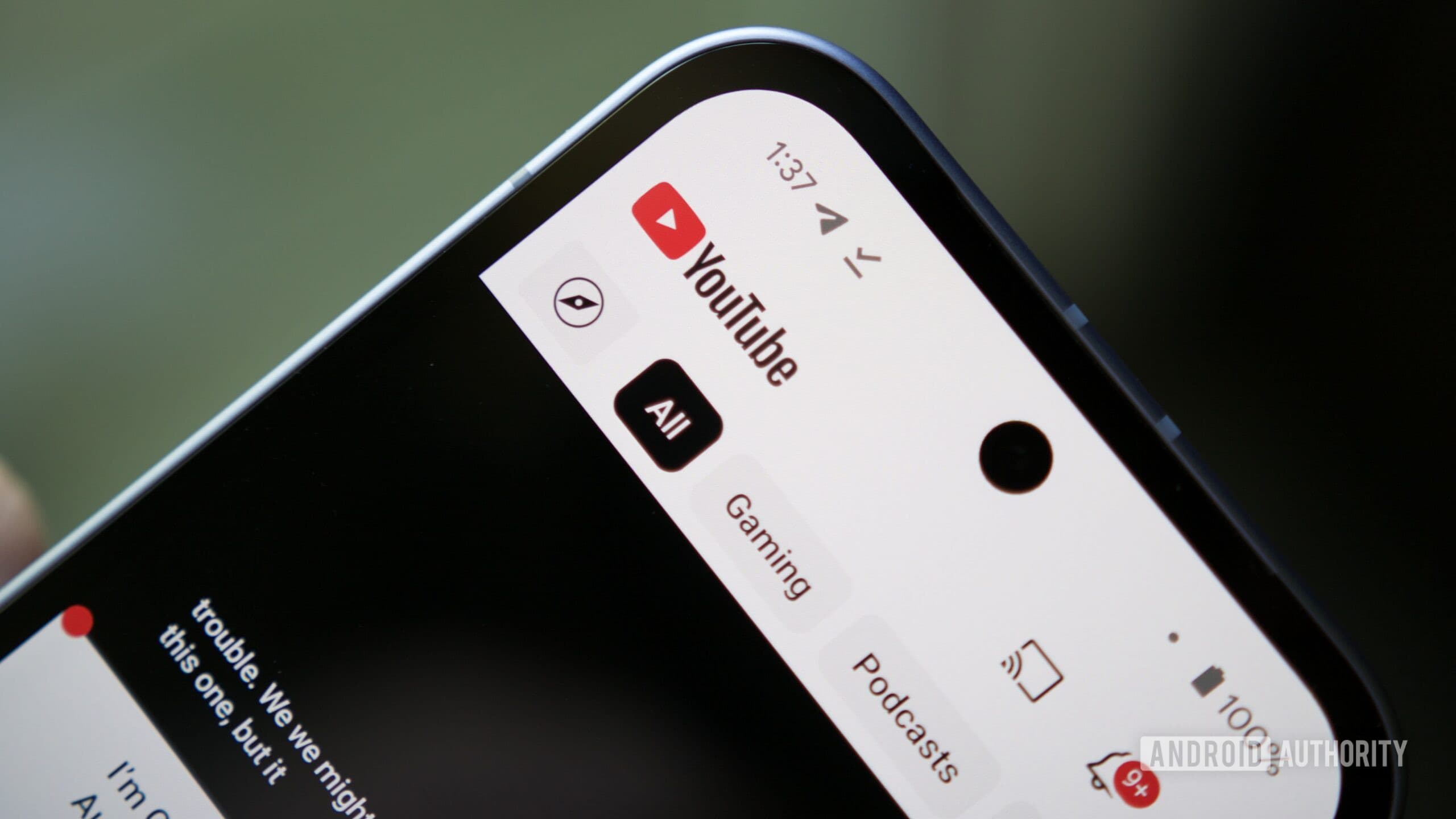
YouTube is introducing a built-in direct messaging feature for users in the United States and a few other countries. This will allow people to share videos and chat right within the app.
What YouTube Is Actually Launching
This feature enables you to send YouTube videos, Shorts, and text messages directly to other users inside the YouTube app. Think of it as a built-in messaging tool, similar to iMessage. Instead of copying a link and pasting it in another messaging app, you can just tap a share button and send it to a friend within YouTube.
Initially, the rollout is invite-only. You’ll need an invitation from another YouTube user to join in. Once you’re invited, you can start chats and invite others to join the conversation. As reported by Android Authority, this expansion into the US is part of a wider international strategy following earlier tests in select markets.
Why YouTube Is Building a Messenger
Sharing YouTube videos with friends can be a bit cumbersome right now. You have to copy a link, switch to iMessage or WhatsApp, paste it, and send it. YouTube wants to streamline this process, keeping users engaged longer on their platform. More time spent on the app translates to higher watch time and ad revenue.
This move also fits into a larger strategy. Competitors like TikTok have included in-app messaging for years. Instagram, which is a direct competitor to YouTube Shorts, has a fully functional inbox. YouTube has been lagging behind other major video platforms by not having this feature. Testing for the messaging system started last year, as 9to5Google reports.
How the Invite System Works
The invite-only model is a familiar strategy for launching new features. YouTube is leveraging its existing user base to spread the feature organically, similar to how Gmail launched in 2004 or how Clubhouse grew in 2021. You can’t just enable it yourself; you need someone who’s already in the system to invite you. Once you’re in, you can invite others.
This approach helps YouTube manage server loads and monitor for spam or abuse before opening it up to all 2.7 billion monthly users at once.
| Metric | Detail |
|---|---|
| Access model | Invite-only to start |
| New markets included | United States + additional countries |
| Testing began | 2025 |
| Expanded rollout announced | June 2026 |
| YouTube monthly active users | ~2.7 billion |
| Content types you can share | Videos, Shorts, text messages |
What This Means
For everyday YouTube users, this is mostly about convenience. If you and your friends often share YouTube videos, you’ll soon be able to do it all within the app. This means less copying and pasting, fewer broken links, and a shared video history that stays in one place.
On a broader scale, this change indicates YouTube’s evolving direction. The platform seems to be shifting from a place to watch videos alone to a more social environment where you can connect with others around content. Whether this is a positive change or leads to clutter depends on how aggressively YouTube integrates the feature into its main interface.
There’s also a privacy aspect to consider. New messaging systems can introduce risks like spam, unwanted contact, and potential harassment. While the invite-only model should help mitigate these issues initially, YouTube will need to handle them carefully as the feature scales up.
What People Are Saying
“Finally. I’ve been texting YouTube links to my friends for 15 years. Having it built in just makes sense.”
“This is going to be a spam nightmare once it opens up to everyone. The invite system won’t last.”
What To Watch
- Invite expansion timeline: YouTube hasn’t said when the invite-only restriction will end. Keep an eye out for announcements about a broader rollout later in 2026.
- Feature additions: Early messaging systems often launch with limited features. If engagement is strong, expect reactions, read receipts, and group chats to follow.
- Competitor response: If YouTube messaging takes off, look for TikTok and Instagram to enhance their own in-app sharing tools.
- Abuse and moderation: How YouTube handles spam and harassment with the new inbox will be a significant topic once the feature reaches a larger audience.

Daniel Park
Daniel Park covers AI, cloud infrastructure, and enterprise software for Explosion.com. A former software engineer who transitioned to technology journalism 5 years ago, Daniel brings technical depth to his reporting on artificial intelligence, startup funding rounds, and the companies building the future of computing. He breaks down complex AI developments and business strategies into clear, actionable insights for readers who want to understand how technology is reshaping industries.