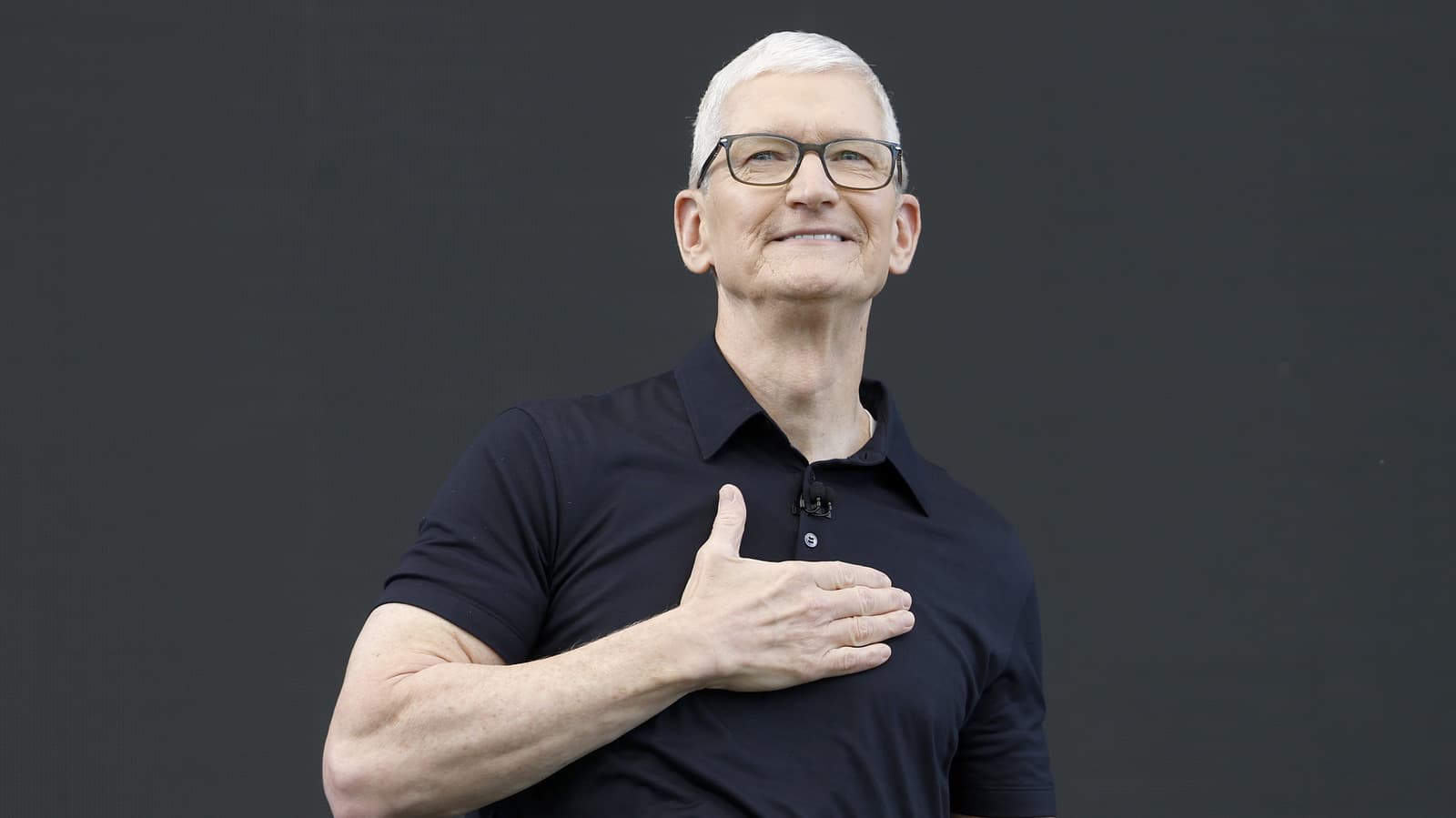
Apple CEO Tim Cook has confirmed that Apple products will see price increases. In an interview with The Wall Street Journal, he stated that rising memory costs are “unsustainable” and that higher prices for consumers are now “unavoidable.”
What Cook Actually Said
During the WSJ interview, Cook explained that Apple has been trying to absorb the rising costs of RAM and storage. However, the company can no longer maintain that stance. “We’re doing our best to mitigate the huge increases that are being passed to us, and we’ve been trying to shield our customers,” he said, adding, “but price increases are unavoidable.”
This marks a significant change for Apple. Historically, the company has kept its flagship product prices stable for years, despite fluctuations in component costs. For instance, the iPhone 15 Pro launched at $999, matching the base price of the iPhone 12 Pro back in 2020. That era of price stability seems to be coming to an end.
Why Is RAM So Expensive Right Now?
The memory shortage causing this announcement is part of a larger squeeze on the semiconductor supply chain. Picture the global chip market like a highway: when too many cars try to use it at once, everything slows down, and costs rise. Demand for high-bandwidth memory, which is a faster type of RAM used in AI chips and premium smartphones, has surged as tech companies rush to create AI-capable devices. This demand pulls supply away from consumer electronics.
Apple’s push into on-device AI features, branded as Apple Intelligence, needs significantly more RAM than earlier iPhone and Mac models. The iPhone 16 lineup comes with 8GB of RAM, double what older iPhones offered. Similarly, Apple’s Mac lineup has also expanded its memory options. More RAM per device means Apple is purchasing many more memory chips overall. Now, it’s paying sharply higher prices for each one.
Which Products Are Affected?
Apple hasn’t detailed which products will see price increases or how much they will rise. The most likely candidates include the iPhone 17 lineup, expected this fall, and any Mac updates released during the next product cycle. Entry-level products, such as the base model of the iPhone 17 and the MacBook Air, are the ones consumers watch closely, as they often set the baseline for Apple’s pricing.
Apple confirmed to 9to5Mac that price increases are on the way but didn’t provide a timeline or specific amounts.
| CEO | Tim Cook |
|---|---|
| Stock Price | $295.95 (−1.10% on the day) |
| Headquarters | Cupertino, CA |
| Founded | 1976 |
| Sector | Big Tech |
What This Means
If you’re thinking about buying a new iPhone, Mac, or iPad in the next year, expect to pay more. The big question is how much more. Even a $50 to $100 increase on a flagship iPhone would be a big deal. It pushes the base iPhone further out of reach for budget-conscious buyers and pressures carriers to offer larger trade-in deals to maintain upgrade rates.
For current Apple users, this announcement doesn’t change anything right now. Your device’s price and performance remain the same. However, if you’re undecided about upgrading now or waiting for the iPhone 17 or next-gen MacBook, Cook’s remarks suggest that waiting could end up costing you more.
Android phone makers are facing the same memory cost pressures, so switching ecosystems likely won’t save you money. Companies like Samsung and Google are sourcing from the same memory suppliers.
Community Reaction
“Apple has been selling $1,000+ phones for years and reporting record profits every quarter. ‘Unsustainable’ is doing a lot of work in that sentence.”
“To be fair, the jump from 6GB to 8GB RAM across the whole lineup is massive in terms of total chips purchased. The math kind of checks out even if the timing is terrible.”
What To Watch
- iPhone 17 pricing reveal (expected September 2026): Apple’s fall event will be the first real test of how significant these increases are. Keep an eye on the base iPhone 17 price — that’s where most people will feel the impact.
- WWDC follow-up pricing announcements: Apple might address Mac pricing before fall if any hardware updates are announced soon.
- Competitor responses: Samsung’s Galaxy S26 pricing, expected early next year, will show whether Apple is aligning its costs with the rest of the industry or taking a different approach.
- AAPL stock movement: Shares dropped 1.10% on the day of Cook’s comments. How investors react in the coming weeks will reflect Wall Street’s perspective on the demand risk associated with higher prices.

Maya Torres
Maya Torres is the Consumer Tech Editor at Explosion.com with 7 years covering product launches for major technology publications. She has reviewed over 300 devices across smartphones, laptops, wearables, and smart home products. Maya specializes in translating spec sheets into real-world buying advice and attends CES, MWC, and Apple keynotes as press. Her reviews focus on helping readers decide what to buy, not just what specs look good on paper.