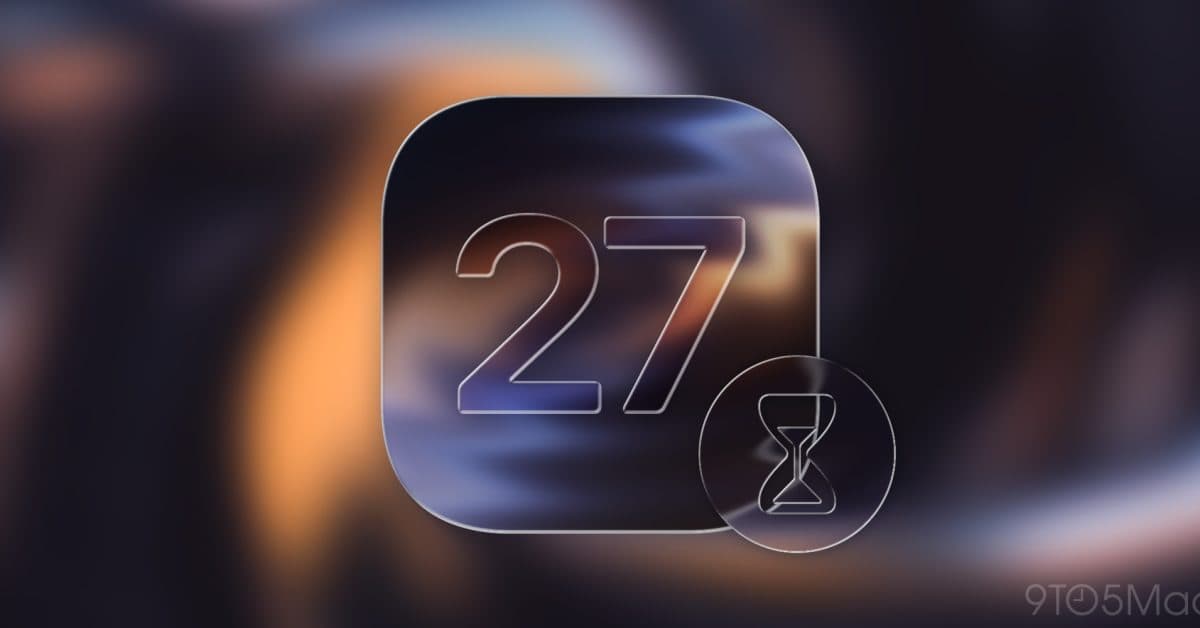
Apple’s iOS 27 is set to land in developers’ hands on June 9, 2026, coinciding with the WWDC keynote. A public beta should follow a few weeks later, allowing eager users to test it before the official release in the fall.
When Can You Install iOS 27?
Apple has a regular yearly schedule. The developer beta, which is a pre-release version aimed at app developers, usually becomes available on the same afternoon as the WWDC keynote. So, if you’re part of Apple’s developer program, which costs $99 per year, mark June 9, 2026, on your calendar as the earliest date to install iOS 27.
For those not enrolled, the public beta—a more polished version open to everyone—typically arrives two to four weeks after the developer beta. That likely puts it around late June or early July 2026. You can sign up for free at beta.apple.com.
The full, stable release of iOS 27 is expected in September 2026, coinciding with Apple’s new iPhone lineup. Most users should wait for this version since early betas often have bugs that can disrupt daily use.
What’s Actually Changing in iOS 27?
Sources like MacRumors and 9to5Mac suggest that iOS 27 will focus more on performance improvements than flashy new features. Think of it as more of a tune-up than a full renovation.
Longer Battery Life
MacRumors indicates that iOS 27 should provide longer battery life for supported iPhones. Apple aims to enhance efficiency under the hood. These optimizations will help your phone’s processor consume less power during everyday tasks like scrolling through social media or checking emails.
Bug Fixes and Stability
Users complained about performance issues in iOS 26, and iOS 27 appears to address many of those concerns. While a stability-focused update might not sound exciting, it’s often more important than new features for most users.
| iOS 27: By The Numbers | |
|---|---|
| Developer Beta Expected | June 9, 2026 |
| Public Beta Expected | Late June / Early July 2026 |
| Stable Release Expected | September 2026 |
| Developer Program Cost | $99/year |
| Public Beta Cost | Free |
| Primary Focus | Battery life and performance |
Should You Install the Beta?
If you use your iPhone for work, banking, or anything crucial, you probably shouldn’t install the beta—at least not on your main device. Early betas often break apps, drain batteries quicker than usual, and can even cause random reboots. Some apps simply won’t work with pre-release software since developers haven’t had time to update them.
If you have an old iPhone lying around, that’s a great option for testing. Otherwise, waiting for the public beta in late June will offer a much more stable experience than jumping in on day one.
What This Means for Everyday Users
The battery life improvement is the key takeaway here. Complaints about iPhone battery life are among the most common in Apple support forums. A software update that genuinely extends daily battery life—by even 30 to 45 minutes—would benefit millions without needing a new phone. If the performance enhancements hold up during testing, iOS 27 could make older iPhones feel more capable without requiring a hardware upgrade.
This focus on stability suggests Apple listened to the feedback regarding iOS 26. An update that simply works is often more valuable than one filled with features that lead to new issues.
Community Reactions
“Honestly, a battery life improvement update is all I want. My iPhone 15 Pro barely makes it to 9pm anymore. Don’t care about new features, just fix what’s broken.”
“Every year I install the beta day one and every year I regret it for about two months. And yet here we are again.”
What To Watch
- June 9, 2026: WWDC keynote and expected developer beta drop. This is when we’ll learn the full official feature list for iOS 27.
- Late June 2026: Keep an eye out for Apple to open public beta sign-ups at beta.apple.com.
- July and August 2026: Expect multiple beta updates as Apple addresses bugs reported by testers. The release candidate (near-final version) usually appears one to two weeks before launch.
- September 2026: Full public release alongside new iPhone hardware. This is the version to wait for if stability is important to you.

Daniel Park
Daniel Park covers AI, cloud infrastructure, and enterprise software for Explosion.com. A former software engineer who transitioned to technology journalism 5 years ago, Daniel brings technical depth to his reporting on artificial intelligence, startup funding rounds, and the companies building the future of computing. He breaks down complex AI developments and business strategies into clear, actionable insights for readers who want to understand how technology is reshaping industries.