For the first time in World Cup history, referees will be wearing body cameras during matches. This means TV viewers will get a live look at the game from the official’s perspective — temples and all.
The Ref-Cam Is Real, and It’s Live
FIFA is outfitting referees at the 2026 World Cup with small cameras mounted at their temples. This footage will be broadcast live, allowing viewers to see a penalty call from the same angle as the ref. It’s like a helmet cam in motorsport, but it’s on the person deciding if your team’s goal counts.
This isn’t just a highlight reel or a post-match feature. According to Wired, the camera feed will be available during live broadcasts. This marks one of the biggest changes in how soccer has been presented on TV for decades.
The timing is crucial. Referee decisions — such as offside calls, handball rulings, and penalty awards — have sparked debates since VAR (Video Assistant Referee) came into play. While putting a camera directly on the ref won’t change the decisions, it will transform how fans experience them.
Why This Is a Bigger Deal Than It Sounds
Traditional broadcast cameras sit around the stadium — in the stands, on cranes, and near the goals. They do a decent job following the ball, but they’re often far from the action when a foul occurs in a crowded area 40 yards away from the nearest camera.
The referee, on the other hand, is always near the play. A camera mounted on the official during a goal-mouth scramble will show exactly what the ref saw when deciding whether a handball happened. For viewers who’ve yelled at their screens over calls that seemed unclear from the broadcast angle, this upgrade is meaningful.
This also adds a human touch that broadcast TV rarely captures. You’ll see players appealing for calls up close, experience the chaos of set pieces from within, and get a sense of how physically demanding it is to keep up with elite athletes for 90 minutes.
Where and How to Watch the 2026 World Cup
The tournament runs from June 11 to July 19, 2026, with the final in New Jersey. There will be 104 matches, hosted across venues in the United States, Canada, and Mexico.
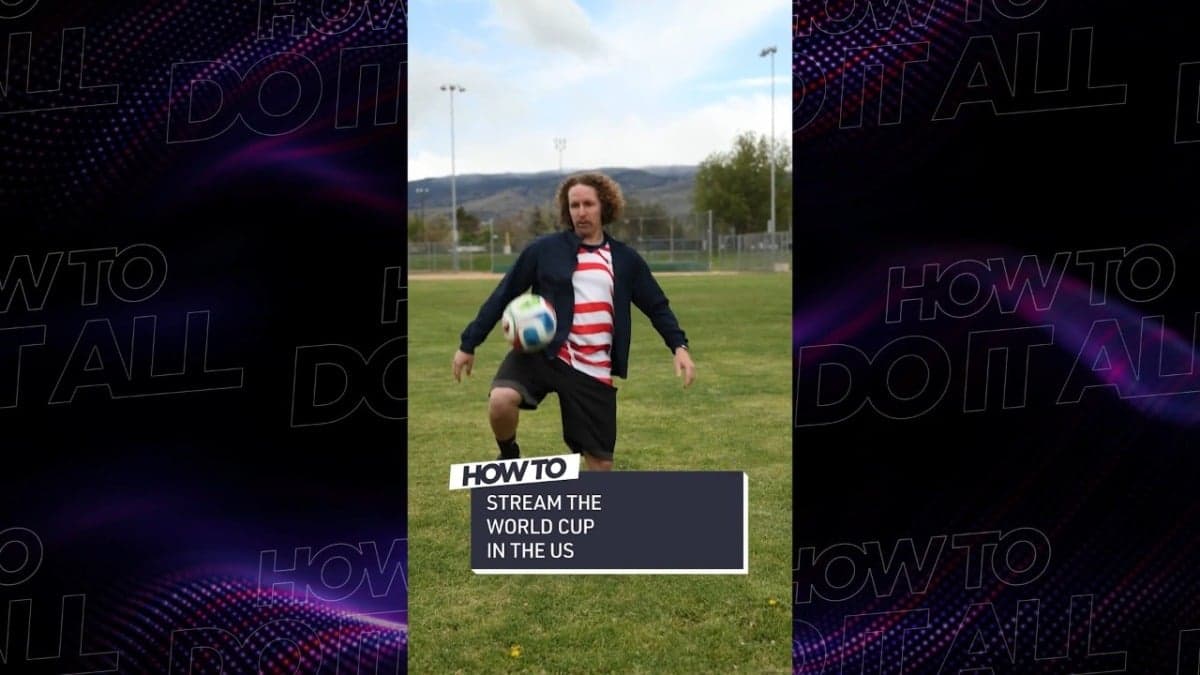
In the US, you won’t need a cable subscription to watch. According to Mashable, all matches will stream in both English and Spanish via Fox, FS1, Telemundo, and their streaming apps. Wired’s streaming guide outlines the best ways to catch every game without traditional cable.
| Stat | Detail |
|---|---|
| Total matches | 104 |
| Tournament start | June 11, 2026 |
| Final date | July 19, 2026 |
| Final location | New Jersey, USA |
| Host countries | USA, Canada, Mexico |
| Ref camera position | Temple-mounted, live feed |
| US broadcast partners | Fox, FS1, Telemundo |
What This Means for Everyday Viewers
If you’re a casual soccer fan, the ref-cam is mainly a fun addition that enhances the broadcast experience. For serious viewers, it’s a way to understand why calls were made — or why they weren’t.
For years, the VAR debate has revolved around whether technology improves referee accuracy or just stirs controversy. The body camera doesn’t alter the decision-making process, but it reveals the human element in a way we haven’t seen before. When a ref disallows a goal, and you can see exactly what they observed in real time, the discussion either becomes clearer or more heated, depending on the footage.
For those who’ve cut the cord, the more exciting news is that all 104 games will stream without a cable subscription, which hasn’t always been easy in past tournaments. If you’ve got a phone, smart TV, or laptop, you can watch every match.
What Fans Are Saying
“The ref cam is genuinely one of the most interesting things they’ve done to a World Cup broadcast in years. It doesn’t fix bad calls, but at least now we know what he was looking at.”
“I’ve been waiting for this since they put helmet cams on F1 drivers. Soccer refs are in the middle of everything. This is going to be wild during a corner kick.”
What To Watch
- June 11, 2026: The tournament kicks off. Expect the first ref-cam footage to hit social media shortly after the opening match.
- Group stage matches: This is when broadcasters will likely experiment with how much ref-cam footage to use and during which moments — penalty decisions and VAR reviews will probably be the top choices.
- July 19, 2026: The final in New Jersey. If the ref-cam becomes a hot topic during the tournament, it’ll be front and center for the biggest game.
- Streaming rights clarity: As the tournament nears, we expect to see the full breakdown of which matches will air on which platforms. Wired and Mashable’s streaming guides will be updated as details are finalized.

Daniel Park
Daniel Park covers AI, cloud infrastructure, and enterprise software for Explosion.com. A former software engineer who transitioned to technology journalism 5 years ago, Daniel brings technical depth to his reporting on artificial intelligence, startup funding rounds, and the companies building the future of computing. He breaks down complex AI developments and business strategies into clear, actionable insights for readers who want to understand how technology is reshaping industries.