
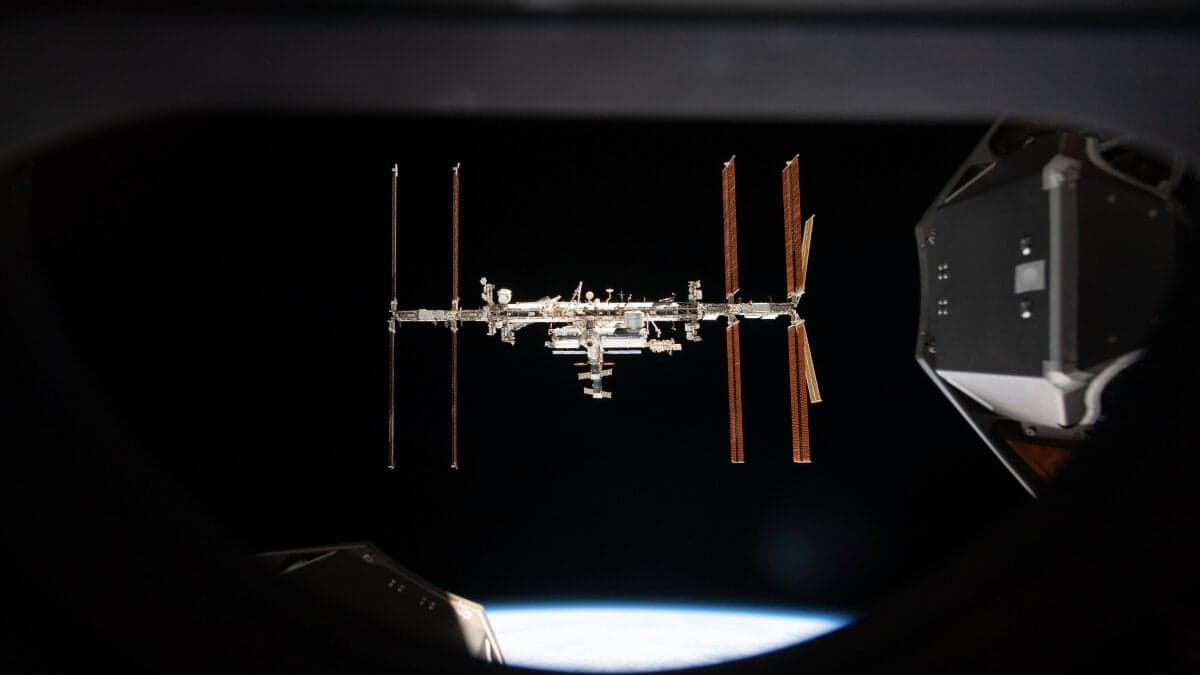
NASA astronauts aboard the International Space Station had to take shelter in their SpaceX Dragon capsule after Russian engineers found new air leaks in the aging Zvezda service module. Officials confirmed that this precautionary measure underscores growing concerns about the station’s 25-year-old infrastructure.
What Actually Happened
Russia’s space agency, Roscosmos, was busy repairing known cracks in the Zvezda module — the Russian-built section of the ISS that serves as living quarters and the control hub for the Russian segment. While working on those repairs, engineers uncovered additional leaks. In response, NASA directed the crew to move into the docked SpaceX Dragon capsule for safety while they assessed the situation.
Think of it this way: if construction workers found multiple new cracks while fixing one in your basement wall, you’d want everyone out of that area while you figured out how severe the damage was. That’s exactly what happened here, just in low Earth orbit, zipping along at 17,500 miles per hour.
The shelter-in-place order was temporary. NASA called it a precaution, not an emergency evacuation. The Dragon capsule acts as the crew’s lifeboat — it’s always ready to undock and return to Earth if a major issue arises on the station.
The Zvezda Module’s Leak Problem Isn’t New
The Zvezda service module, launched in 2000, is the oldest continuously inhabited part of the Russian ISS segment. It has had documented leak problems for years. Since at least 2019, Russian cosmonauts and NASA astronauts have been monitoring small air pressure losses in this section. Roscosmos identified cracks near a transfer tunnel connecting two parts of the module as the source, and repairs have been ongoing.
The discovery of new leaks during active repairs indicates the problem might be more widespread than previously thought. While air leaks on the ISS don’t immediately threaten the crew — since the station has enough air reserves and systems to replenish oxygen — persistent leaks can strain those systems and raise long-term concerns about the module’s structural integrity.
The U.S.-Russia Space Partnership Under Pressure
The ISS is a joint effort between NASA and Roscosmos, along with partners from Europe, Japan, and Canada. Since the Zvezda module is Russian territory, NASA engineers have limited access for assessment or repairs. The two agencies need to coordinate closely on safety decisions. In this case, Roscosmos alerted NASA about the new leaks, and NASA decided to shelter its crew.
This collaboration continues despite strained U.S.-Russia relations in other areas, highlighting the agreements and protocols developed over decades of joint spaceflight.
| By The Numbers: ISS At A Glance | |
|---|---|
| Station age | 25+ years (first module launched 1998) |
| Zvezda module launch | July 2000 |
| Leak tracking began | ~2019 |
| ISS planned retirement | 2030 |
| Current crew size | 7 astronauts and cosmonauts |
| Dragon capsule return time | Approximately 6-8 hours from undock to splashdown |
What This Means For Everyday People
If you’re not an astronaut, here’s why this matters. The ISS is one of the most expensive objects ever built — totaling around $150 billion in investment from various governments, including American taxpayers. It also serves as the main platform for conducting scientific experiments in microgravity, contributing to advances in technologies like water purification and cancer drug delivery.
The station is set to be deorbited — intentionally crashed into the ocean — by 2030. NASA is relying on commercial space stations from companies like Axiom Space and Blue Origin to take its place. If the ISS starts to degrade faster due to leaks or other structural issues, that timeline could change, leaving a gap in U.S. access to a space station before commercial options are ready.
Community Reactions
“This is exactly why they keep Dragon docked at all times. It’s a lifeboat, and today it actually got used for its secondary purpose. Kind of wild to think about.”
“People don’t realize how old the ISS actually is. The Zvezda module is 25 years old and has been continuously pressurized in the vacuum of space that whole time. The fact that it’s leaking isn’t shocking; it’s honestly impressive it held this long.”
What To Watch
- Roscosmos repair updates: Russian engineers are still working on the Zvezda leaks. Keep an eye out for official statements from both NASA and Roscosmos on whether these new leaks can be patched or if they indicate a more serious structural issue.
- ISS retirement timeline: Any acceleration in the station’s deterioration might prompt NASA to reassess its 2030 deorbit target. Watch for congressional budget discussions regarding funding for commercial stations this summer.
- Crew safety assessments: NASA is expected to share more detailed information about the new leaks and the repair plan moving forward.
Sources: Mashable | Engadget | TechCrunch

Daniel Park
Daniel Park covers AI, cloud infrastructure, and enterprise software for Explosion.com. A former software engineer who transitioned to technology journalism 5 years ago, Daniel brings technical depth to his reporting on artificial intelligence, startup funding rounds, and the companies building the future of computing. He breaks down complex AI developments and business strategies into clear, actionable insights for readers who want to understand how technology is reshaping industries.


