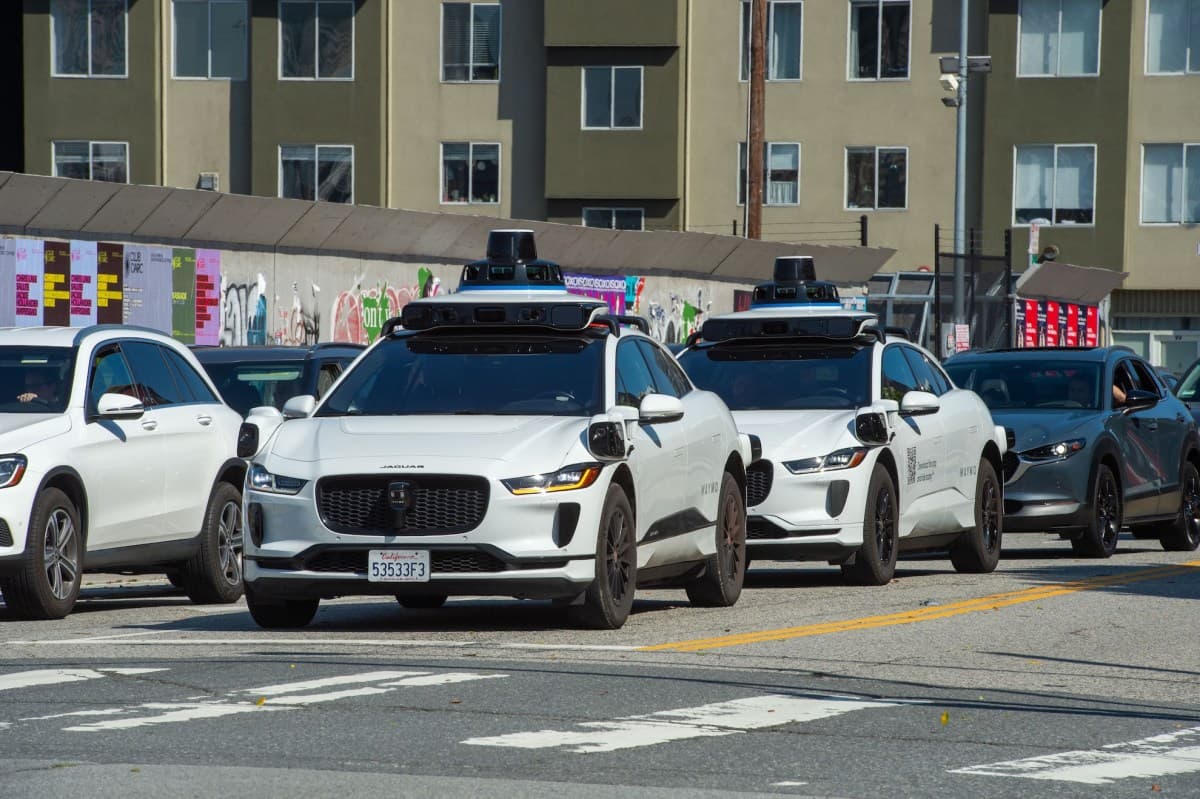
San Francisco Mayor Daniel Lurie is urging state regulators to tighten rules on robotaxi companies like Waymo. This comes after a lengthy traffic jam that left parts of the city gridlocked for hours.
What Happened
A fleet of Waymo autonomous vehicles played a major role in causing a significant traffic jam in San Francisco, frustrating countless commuters. This incident has sparked renewed debate on a long-standing question: who’s accountable when driverless cars create chaos in a major American city?
Mayor Lurie has raised this issue with California’s state regulators. He argues that the existing rules aren’t keeping up with the rapid expansion of these companies. Simply put, he wants stricter guidelines on where, when, and how many robotaxis can operate on public streets.
Why This Matters to San Francisco
Waymo, owned by Alphabet (Google), has been running fully driverless rides in San Francisco since 2022. The service has expanded significantly, turning the city into a real-world testing site for the technology. Some residents take pride in this, while others find it frustrating.
The main issue is clear. Waymo’s vehicles strictly adhere to traffic laws, sometimes to an extreme. They stop at yellow lights, maintain specific gaps in traffic, and occasionally hesitate in situations where a human driver would push through. Multiply that by hundreds of vehicles in a busy urban environment, and you see the impact on traffic flow.
Imagine a highway where every driver sets their cruise control to the exact speed limit. It’s technically correct, but it creates a different kind of congestion that’s unexpected.
What the Mayor Is Asking For
Lurie is directing his request to the California Public Utilities Commission (CPUC), which issues permits to autonomous vehicle operators. He wants the CPUC to enforce stricter operational requirements before companies can expand further. This could mean limits on the number of vehicles allowed in certain areas, mandatory reporting during traffic disruptions, or new city powers to intervene during peak times.
Right now, San Francisco has limited authority over robotaxi permits. The state holds that power and has generally been favorable to autonomous vehicle companies. Lurie’s letter aims to push Sacramento to take action.
Waymo’s Side
Waymo hasn’t issued a detailed public response to the mayor’s latest request for regulation. Historically, the company has defended its safety record, highlighting data that shows its vehicles are involved in fewer collisions per mile than those driven by humans. They would likely argue that isolated traffic incidents don’t overshadow those overall safety benefits.
| Years operating driverless rides in SF | Since 2022 |
| Parent company | Alphabet (Google) |
| Permit authority | California Public Utilities Commission |
| Duration of gridlock event | Multiple hours |
| City requesting new rules | San Francisco |
What This Means for Everyday Users
If you live in or visit San Francisco, this push for regulation could change your experience with both Waymo rides and regular traffic. Stricter rules might lead to fewer Waymo cars on the road during rush hour, which could ease congestion but also limit availability for those who depend on the service.
For other cities watching this situation, San Francisco’s experience could serve as a model. Cities like Austin, Phoenix, and Los Angeles have Waymo operations or could be next in line for expansion. How California navigates the balance between city authority and state permitting could set a standard for how American cities manage self-driving fleets in the future.
In short, what happens in San Francisco isn’t likely to stay there.
Community Reactions
“I’ve seen Waymo cars just sitting at a green light waiting for a cyclist to fully clear the intersection when any normal driver would have gone. One car doing that is fine. Twenty of them doing it at every light is a different story.”
“The city had no problem taking the permit fees when Waymo was small. Now that it’s actually at scale, they want the state to deal with it? Someone needs to own this.”
What To Watch
- CPUC response: The California Public Utilities Commission will need to formally respond to Mayor Lurie’s request. Keep an eye out for any announced hearings or review processes in the coming weeks.
- Waymo expansion plans: The company has shown interest in expanding to more cities. How regulators react in San Francisco could influence those plans.
- Other cities: If San Francisco gains new tools to manage robotaxi fleets, mayors in Austin and Los Angeles might make similar requests. This could quickly turn into a national policy discussion.
- State legislation: California lawmakers may propose bills that give cities more direct authority over autonomous vehicle permits. The 2026 legislative session is still active.
Sources: TechCrunch: SF Mayor Pushes for Tougher Rules After Waymo Traffic Fiasco

Ava Mitchell
Ava Mitchell is a digital culture journalist at Explosion.com covering social media platforms, streaming services, and the creator economy. With 4 years reporting on TikTok, Instagram, YouTube, and the apps that shape daily life, Ava specializes in explaining platform policy changes and their impact on everyday users. She previously managed social media strategy for a tech startup, giving her firsthand experience with the platforms she now covers.