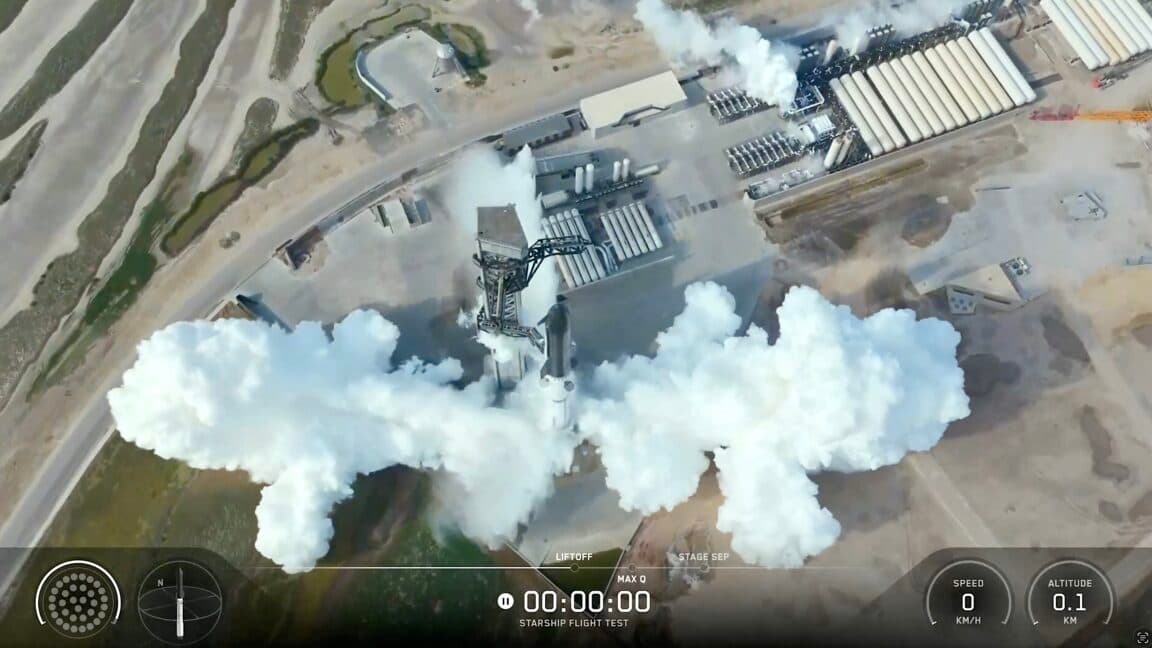
SpaceX had to cancel the second launch attempt of its Starship V3 rocket on July 17. Several engines failed to ignite at the launchpad, causing the company’s stock to drop over 4% in after-hours trading before it made a partial recovery.
What Happened at the Launchpad
The abort occurred after ignition had started, with some engines lighting up while others did not. SpaceX’s automated flight systems detected this partial failure and shut everything down before the rocket could lift off. The company confirmed it was offloading propellant, which means draining the massive fuel tanks, and mentioned that the next launch attempt would happen “hopefully in a few days.”
SpaceX hasn’t explained which engines failed or the reason behind it. The company rarely gives real-time technical details during scrubs. Engineers on-site likely spent the time after the abort analyzing sensor data to figure out what went wrong.
What Is Starship V3?
Starship is SpaceX’s fully reusable super-heavy launch system, the largest and most powerful rocket ever created. The V3 designation indicates the third major hardware version of the spacecraft part of the vehicle. You can think of it like the different generations of iPhones: the basic design remains the same, but there are substantial internal upgrades to enhance reliability and capability.
The rocket consists of two stages: a massive booster called Super Heavy, powered by 33 Raptor engines (SpaceX’s custom rocket engine), and the Starship spacecraft on top. In an abort like this, the focus is usually on the booster’s engines, since they need to fire in perfect coordination within milliseconds of each other.
Why Engine Failures Happen
Modern rocket engines are incredibly complex. Igniting 33 of them at once is like trying to start 33 car engines simultaneously with the same electrical signal. Even a slight difference in fuel pressure, temperature, or valve timing in one engine can trigger an automatic abort across the whole system.
SpaceX has incorporated a lot of abort tolerance into Starship. The system detects problems and shuts down before a situation can turn catastrophic. This time, the scrub worked as intended: the rocket stayed on the ground instead of launching with a compromised engine setup.
| Metric | Detail |
|---|---|
| Booster engines | 33 Raptor engines on Super Heavy |
| Rocket height | ~123 meters (403 feet) fully stacked |
| Stock drop | More than 4% in after-hours trading |
| Next attempt | “Hopefully in a few days” (SpaceX statement) |
| Flight number | Starship Flight 13 |
What This Means for Everyday Users
Most people don’t ride rockets, so you might wonder why this matters. Starship plays a crucial role in several infrastructure plans that impact daily life. NASA relies on Starship to land astronauts on the moon through the Artemis program. SpaceX also intends to use Starship for launching the next generation of Starlink satellites, which provide internet access to millions in rural and remote areas around the globe. Delays in Starship development can push back all those timelines.
For investors, the drop in after-hours trading served as a reminder of how sensitive SpaceX’s valuation is to launch outcomes, even when a scrub is simply the system functioning correctly.
Community Reaction
“People forget that a scrub is a success. The system saw a problem and said no. Better on the ground than 50 meters up.”
“Every scrub costs them money and time, but blowing up on the pad costs a lot more. Still frustrating to watch if you stayed up for the stream.”
What To Watch
- Next few days: SpaceX should announce a new launch window once engineers identify and fix the ignition issue. Keep an eye on the company’s official X account for updates.
- Technical explanation: SpaceX might provide a brief update on what caused the engine failures before the next attempt, though detailed analyses often take weeks.
- Stock recovery: While SpaceX is a private company, analysts track its secondary market valuation. A successful next attempt would likely reverse the after-hours losses.
- NASA implications: If delays accumulate, watch for any statements from NASA regarding potential impacts on Artemis moon mission timelines.
Sources: Ars Technica | TechCrunch

Maya Torres
Maya Torres is the Consumer Tech Editor at Explosion.com with 7 years covering product launches for major technology publications. She has reviewed over 300 devices across smartphones, laptops, wearables, and smart home products. Maya specializes in translating spec sheets into real-world buying advice and attends CES, MWC, and Apple keynotes as press. Her reviews focus on helping readers decide what to buy, not just what specs look good on paper.