As more seniors choose to live independently, ensuring their safety at home becomes paramount. With an increasing range of smart technologies available, seniors and their families can now address many common risks more efficiently than ever. Devices like a personal medical alert system offer practical solutions tailored to seniors’ lifestyles and preferences, providing both peace of mind and immediate access to help if needed.
Staying safe at home is not only about medical emergencies. Everyday challenges, such as minimizing fall risks or monitoring potentially hazardous appliances, also require attention. Thankfully, today’s devices go beyond emergency alert buttons and bring innovative solutions for various safety concerns, enabling seniors to live confidently and independently.
Technology that empowers seniors at home benefits not only the seniors themselves but also caregivers and loved ones. Smart home solutions are easy to install, user-friendly, and deliver ongoing protection without being intrusive. In this guide, we explore the essential technologies every household should consider.
Knowing and utilizing the right devices can help prevent accidents, ensuring the home remains a place of comfort. With the right technology, families can be proactive about safety rather than simply reactive in emergencies.
Medical Alert Systems
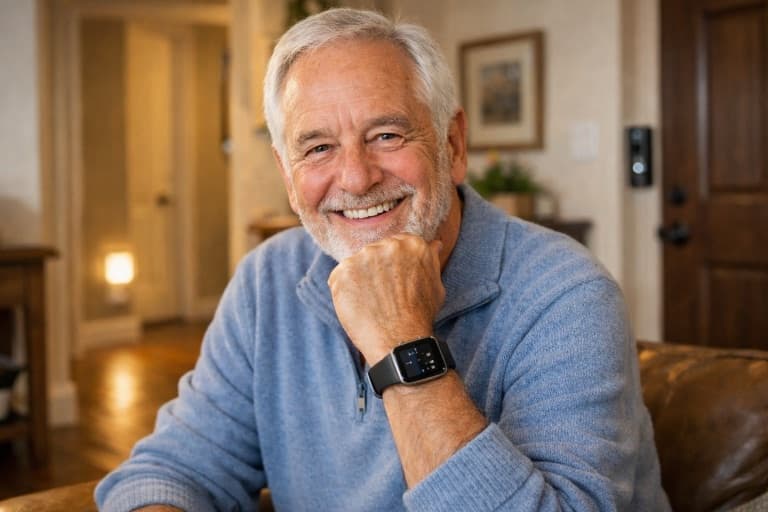
Wearable medical alert systems are foundational for senior safety. Modern options, such as smartwatches equipped with fall detection and GPS tracking, provide swift access to assistance in an emergency. Using technology proactively reduces anxiety for both seniors and their families, making it easier for seniors to maintain their independence.
Medical alert devices have evolved beyond simple push-button pendants. Today’s products often include GPS location services, automatic fall detection, and even health-monitoring features such as heart rate sensing and step tracking. Wearable options range from stylish wristbands to discreet devices that clip onto belts or can be worn as necklaces. By integrating with smartphones and digital assistants, many of these systems can send automatic notifications to pre-selected contacts, ensuring that help is notified quickly, even if the senior is unable to speak. Additionally, subscription-based services often provide access to live support agents who can offer immediate assistance or contact emergency services, adding an extra layer of safety and reassurance.
Motion-Sensing Night Lights
Trips to the bathroom or kitchen late at night are a common source of falls among older adults. Motion-sensing night lights address this by automatically illuminating pathways when movement is detected, helping to prevent trips and falls. These LED lights are inexpensive, run on batteries, and offer instant illumination exactly where and when it’s needed.
Many motion-sensing lighting systems are designed for versatile placement in hallways, bathrooms, bedrooms, and staircases, making it easy to adapt to any home's layout. Some advanced models can be controlled via a smartphone, allowing caregivers to remotely customize brightness levels and operating times. Certain night lights are also equipped with dusk-to-dawn sensors, ensuring lights only activate when needed and conserving battery life. By preventing dark corridors and sudden changes in lighting, seniors are less likely to misjudge steps, thresholds, or objects on the floor, thereby significantly reducing the potential for harmful falls.
Automatic Stove Shut-Off Devices
Kitchen fires are a primary concern for seniors, particularly those living with memory impairment. Automatic stove shut-off devices monitor usage and automatically turn off the stove after a period of inactivity. Many models allow for remote monitoring by caregivers, adding an extra layer of safety. These devices make a significant difference in preventing accidents and offer reassurance for families worried about their loved one’s safety in the kitchen.
These appliances often feature a combination of motion, heat, and time-based sensors to prevent stoves from being left on unattended. By connecting to Wi-Fi, some stove-shutoff devices send real-time alerts to caregivers’ phones, making it easy to verify the stove's status or disable it remotely. Customizable settings allow for adaptation to unique household routines—such as longer cooking times or frequent use—while maintaining a firm safety baseline. For seniors wishing to age in place, this technology addresses one of the highest-risk areas of the home without interfering with their independence or culinary enjoyment.
Video Doorbells
Home security extends to the front door, where video doorbells become valuable for screening visitors. Devices like Ring or Blink connect to smartphones or tablets, enabling seniors to communicate with whoever is at the door without having to open the door. This interactivity not only discourages scammers or solicitors but also provides a safer way to interact with delivery personnel or strangers. Notably, a Philadelphia neighborhood initiative supplied 1,000 seniors with Ring doorbells, greatly enhancing their sense of security.
Video doorbells typically feature high-definition video streams, two-way audio communication, and motion-activated recording. This not only allows seniors to screen every visitor with clarity but also enables loved ones to monitor activity at the home’s entrance remotely. Integration with smart locks further allows trusted visitors to be let in without the need for physical contact, which is especially helpful for caregivers, friends, or emergency responders. For seniors who may experience mobility or hearing challenges, the enhanced notifications, such as flashing lights or phone vibrations, help them react quickly and confidently to visitors or unexpected events.
Smart Surveillance Systems
AI-powered surveillance systems monitor daily patterns and identify subtle changes in activity that could signal deteriorating health or emergencies. These systems can send alerts to caregivers if a senior deviates from their routine, such as remaining inactive for long periods or exhibiting unusual movement. Striking a balance between privacy and security, smart home monitoring systems empower family members to intervene proactively while respecting seniors’ autonomy.
Many smart surveillance solutions now use encrypted cloud storage and AI analysis to flag meaningful changes rather than simply recording endless footage. With the rise of non-invasive sensors, monitoring can focus on motion, activity, or door usage instead of intrusive video, thereby addressing privacy concerns. Notifications are customizable, so caregivers can receive alerts for bathroom usage anomalies, missed meals, or other activities of daily living, providing vital information that supports both health and safety. In addition to emergency response, these systems can enhance routines and enable remote wellness checks, contributing to improved quality of life for seniors living alone.
3D Motion Detectors
Three-dimensional motion detectors use advanced infrared technology to track an individual’s location within the home and detect falls or prolonged inactivity. Singapore's Red Cross delivered impressive results by installing the innovative HoME+ system, which strengthens peace of mind while minimizing false alarms and maintaining privacy. Devices like these are shaping a future where seniors can enjoy greater independence with the assurance that help is always close if needed.
Unlike traditional sensors that detect only basic motion, 3D motion detectors can analyze posture and movements, distinguishing between lying down (potentially a fall) and normal activities such as sitting or walking. Some systems can even integrate with voice assistants to enable hands-free requests for help, providing non-intrusive and user-friendly safeguards. By learning household routines, these detectors improve detection accuracy over time, adapting to each resident's specific needs and making the technology increasingly reliable and personalized as a senior’s lifestyle evolves.
Conclusion
Incorporating these smart safety devices is crucial to enabling seniors to thrive independently at home. From immediate medical assistance to everyday fall prevention, technology is transforming senior care for the better. The key is choosing options that cater to specific needs and daily routines, allowing seniors autonomy without sacrificing safety. Embracing this new era of smart home devices helps ensure older adults and their families enjoy greater confidence and peace of mind every day.
As technology continues to advance, it’s important for families, seniors, and caregivers to stay informed about the latest products and solutions tailored for aging in place. Regularly reviewing and updating the safety devices in a senior’s home can maximize their effectiveness and foster ongoing independence. Moreover, involving seniors in the decision-making and setup process can boost their confidence and sense of control, ensuring the technology is seen as a helpful tool rather than an intrusion. Through the thoughtful integration of modern safety solutions, seniors can look forward to a future where living independently is not just possible but also enjoyable and secure.

Nick Guli
Nick Guli is the founder and editor-in-chief of Explosion.com, which he launched in February 2012. With over a decade of experience in digital publishing, Nick oversees editorial direction across entertainment, gaming, technology, and lifestyle content. He is an avid gamer and movie enthusiast who brings a critical eye to coverage of industry trends, game reviews, and entertainment news.