Creating a smarter, more energy-efficient home starts with upgrades that improve comfort, reduce waste, and make everyday living easier. From smart thermostats and LED lighting to insulation, solar panels, and HVAC replacement, the right improvements can help homeowners lower energy costs while building a home that performs better year-round.
Why Energy Efficient Home Upgrades Matter
Smart and energy efficient home upgrades are becoming a priority because homeowners want homes that are easier to manage, less expensive to operate, and more comfortable throughout the year. Rising utility costs have made energy waste harder to ignore, while smart technology has made it easier to control how a home uses heating, cooling, lighting, and electricity.
For many homeowners, the goal is not just adding convenience or sustainability. It is creating a home that responds better to daily routines, seasonal changes, and changing household needs while providing more comfort, predictability, and long-term protection against rising operating costs. A smart thermostat, improved insulation, efficient lighting, automated controls, efficient equipment, and energy monitoring can work together to reduce unnecessary energy use without making the home feel less comfortable.
A home that wastes energy usually shows symptoms before it shows savings problems. One room is always too hot. Another is always cold. The HVAC system runs constantly. Lights, appliances, and electronics stay on longer than needed. Utility bills rise, but the home still does not feel consistently comfortable.
Smart and efficient upgrades help solve this by making the home more responsive. Instead of relying on manual habits, guesswork, or outdated systems, homeowners can use better insulation, efficient equipment, automated controls, and energy data to create a home that adjusts more intelligently to real life. These energy efficient home improvements can also help reduce the daily habits that often lead to unnecessary energy use.
These upgrades also support long-term property value. Modern homes are no longer judged only by square footage, finishes, or curb appeal. Buyers increasingly pay attention to utility costs, indoor comfort, modern systems, sustainability, and how well the home performs day after day. A home that is efficient, connected, and easier to maintain can feel more current and practical than one with outdated mechanical systems, drafty rooms, and limited control.
Benefits Of Smart Home Upgrades For Energy Efficiency
Combining smart home upgrades with energy efficient improvements gives homeowners both better control and better performance. Energy efficient upgrades reduce how much energy the home needs, while smart technology helps manage when, where, and how that energy is used.
The biggest benefits include lower utility bills, improved comfort, reduced energy waste, more convenient home management, easier maintenance, and more consistent temperatures. For example, insulation and air sealing help keep conditioned air inside the home, while a smart thermostat helps the heating and cooling system run only when needed. Efficient LED lighting uses less electricity, while smart lighting controls, sensors, and dimmers prevent lights from staying on in empty rooms or operating unnecessarily.
This combination can also make energy savings more visible. Smart plugs, energy monitors, connected appliances, and thermostat reports can help homeowners understand where energy is being used and which changes are making the biggest difference. Instead of guessing, homeowners can make decisions based on real usage patterns.
The biggest benefit of combining smart home upgrades with energy efficient improvements is that the home becomes both better built and better managed. Energy efficient improvements reduce waste at the source, while smart technology helps prevent waste from returning through everyday habits. This is where smart home energy efficiency becomes especially valuable because it connects better building performance with better day-to-day control.
This combination is powerful because it addresses two different problems. Efficiency upgrades improve the physical performance of the home. Smart upgrades improve the way the home is operated. The most successful upgrades are not isolated gadgets or one-time replacements. They are improvements that work together as a system.
Top Home Energy Efficiency Upgrades
Homeowners should usually start with the upgrades that reduce the largest sources of energy loss before investing in systems that produce or manage energy. In many homes, that means improving air sealing, insulation, ductwork, heating and cooling efficiency, windows, doors, and lighting. These home energy efficiency upgrades can make the home more comfortable before larger system investments are made.
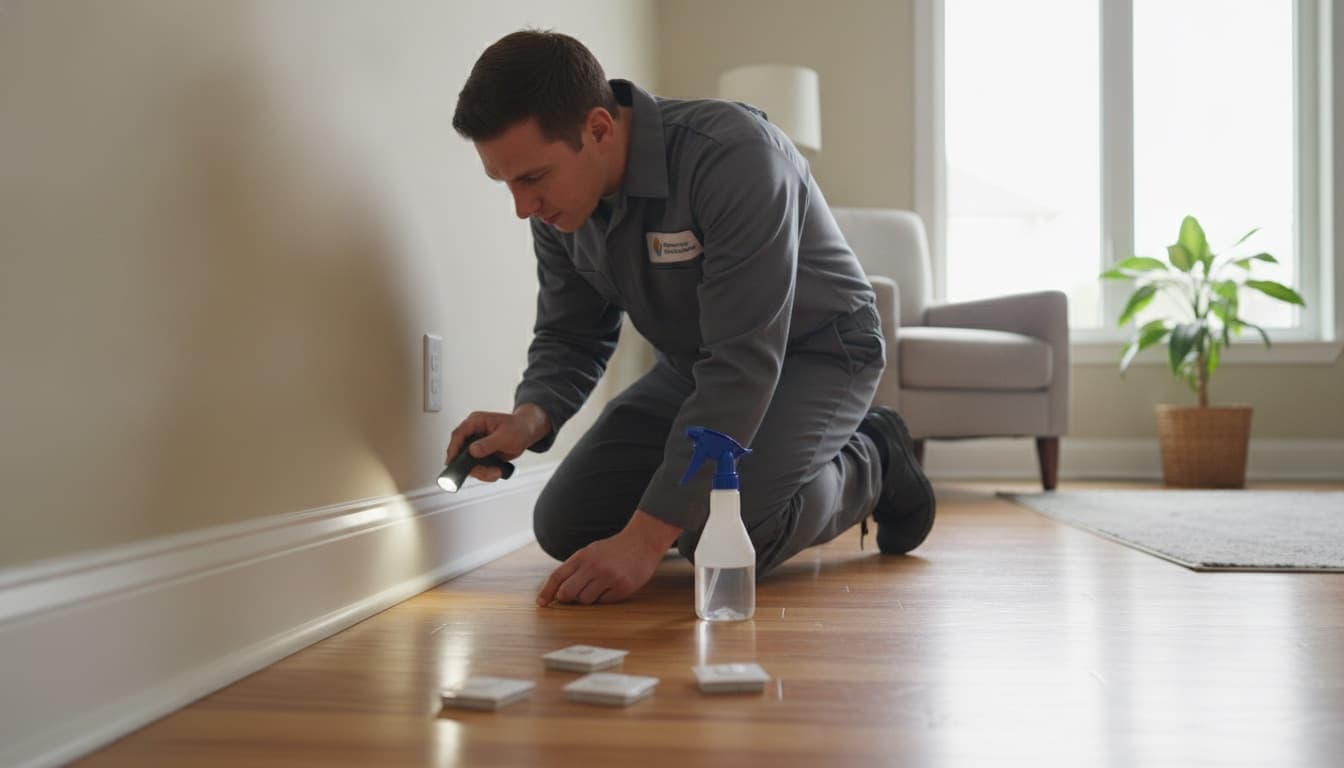
Air sealing is often one of the most valuable first steps because small gaps around attics, crawl spaces, outlets, recessed lights, plumbing penetrations, ductwork, windows, and doors can allow conditioned air to escape and make a home harder to heat and cool. Insulation is another high-impact improvement, especially in attics, exterior walls, basements, and crawl spaces, or other areas that separate conditioned living space from unconditioned areas. Together, air sealing and insulation can make the home feel more even, reduce drafts, and lower the workload on heating and cooling systems.
After the home’s envelope is improved, homeowners should evaluate the HVAC system, duct sealing, air duct cleaning, thermostat controls, water heating, lighting, and appliances. Replacing old bulbs with LEDs is simple and affordable. Upgrading an inefficient HVAC system or water heater can have a larger cost, but it may deliver meaningful savings if the current equipment is outdated, oversized, poorly maintained, or nearing the end of its useful life.
This order matters because an inefficient home may push homeowners to buy larger equipment than they actually need. Once the home is properly sealed and insulated, heating and cooling loads may be lower, and future system upgrades can be sized more accurately. The biggest impact usually comes from fixing the causes of energy loss first, then upgrading the systems that serve the home.
Thermostats And Smart Home Energy Efficiency
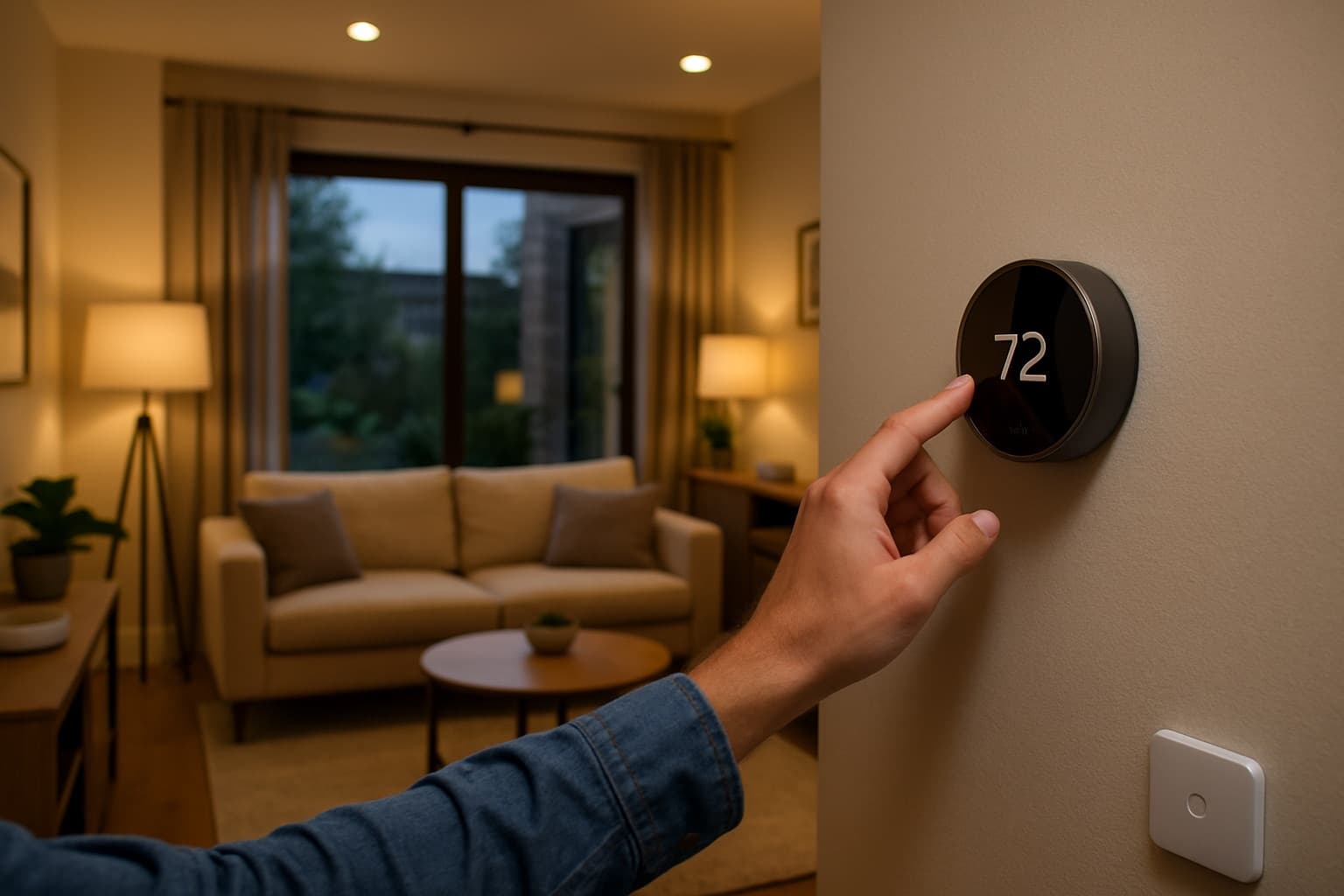
Smart thermostats, sensors, and automated climate control improve energy efficiency by helping the home heat and cool itself more intelligently. Instead of running the HVAC system on a fixed schedule that may not match real life, smart controls can adjust based on occupancy, schedules, time of day, room conditions, temperature patterns, and homeowner preferences.
A smart thermostat can lower energy use when no one is home, reduce unnecessary heating or cooling overnight, and make small adjustments that improve efficiency without sacrificing comfort. The real value is not just remote control from a phone. The value is better decision-making. A smart thermostat can learn when the home is usually occupied, reduce heating or cooling when the house is empty, and provide usage reports that show patterns over time.
Room sensors can help identify hot and cold spots, allowing the system to respond to the areas that matter most. This is especially helpful in homes where one room gets strong sun, an upstairs level stays warmer, a finished basement feels colder than the rest of the house, or the home has changing schedules, guest rooms, home offices, or multiple levels. Room sensors can help balance comfort by measuring conditions in the areas people actually use, not just the hallway where the thermostat is installed.
Automated climate control can also protect the HVAC system from overworking and help prevent the system from conditioning unused spaces as aggressively as occupied areas. Smart controls work best when the home itself is efficient. When paired with good insulation, air sealing, clean filters, sealed ducts, and regular maintenance, they can help the HVAC system run less often, run more steadily, and serve the home more effectively. The result is a home that feels more comfortable while using energy more carefully and supports smart home energy efficiency throughout the year.
Lighting For Smart Home Energy Efficiency
The most important lighting upgrade is switching from incandescent or halogen bulbs to LED lighting. LEDs use significantly less energy, last much longer, and are available in a wide range of brightness levels and color temperatures. This makes it easier to improve both efficiency and the look of the home.
Smart lighting adds another layer of savings and convenience. Smart switches, dimmers, motion sensors, timers, app-controlled lighting, and zone-based controls can reduce wasted electricity in rooms that are used occasionally or where lights are often left on, such as hallways, closets, bathrooms, garages, laundry rooms, basements, and outdoor areas. Motion-activated exterior lighting can also improve security without leaving lights on all night.
Homeowners should also consider layered lighting design. Using task lighting, dimmable fixtures, tunable lighting, and zone-based controls can prevent over-lighting a room. Dimmers can reduce energy use while also improving comfort and ambiance. Smart exterior lights can be scheduled around sunset and sunrise rather than being left on all night.
The strongest lighting upgrade is not simply replacing old bulbs with LEDs. It is creating a lighting system that uses less power, gives better control, and matches how each space is actually used. The goal is to use the right amount of light, in the right place, only when it is needed.
Smart Home Upgrades That Cut Energy Waste
Smart appliances and energy-monitoring devices help homeowners see and manage energy use more clearly. Many households waste energy simply because they do not know which devices, appliances, habits, or times of day are driving up utility bills. Many homeowners only see the final utility bill, not the specific sources of energy demand.
Energy monitors, smart plugs, and connected electrical panels can reveal usage patterns, peak demand times, standby power waste, inefficient appliances, unusual spikes, and appliances that consume power even when they appear to be off. This can be especially useful for older refrigerators, freezers, entertainment systems, home office equipment, dehumidifiers, pool pumps, chargers, and other smaller devices. Small sources of waste can add up when they run every day.
Smart appliances can also improve efficiency through scheduling, alerts, optimized operation, eco modes, maintenance alerts, and usage tracking. A smart dishwasher, washer, dryer, refrigerator, or water heater may allow homeowners to run cycles during off-peak hours, shift energy use to off-peak hours if their utility offers time-based rates, receive maintenance alerts, or choose energy-saving settings more easily.
These features are especially useful in homes with time-of-use electricity rates. They can also warn homeowners when equipment is not operating normally, which may prevent wasted energy or costly repairs. The main benefit is awareness. Once homeowners can see where energy is going, they can make targeted changes instead of relying on broad assumptions. For many households, this makes smart home upgrades more practical because each device supports a clearer energy-saving purpose.
Insulation-Based Energy Efficient Home Improvements
Insulation, window, and door upgrades improve comfort and performance by strengthening the boundary between indoor living space and outdoor conditions. This boundary is often called the home envelope, and it plays a major role in comfort, heating and cooling costs, humidity control, and indoor temperature stability.
The best place to start is usually the attic, because heat commonly escapes through the top of the home in colder months and attic heat can make cooling harder in warmer months. Attic insulation and air sealing are often the best starting points because the attic is one of the most common areas for heat loss and heat gain. Crawl spaces, basements, rim joists, garages, and exterior walls may also need attention depending on the home’s age, layout, construction, and condition.
Windows and doors should be evaluated for more than appearance, including leaks, drafts, condensation, damaged seals, poor fit, worn weatherstripping, single-pane glass, and misalignment. In some homes, targeted repairs such as caulking, weatherstripping, door sweeps, storm windows, or cellular shades may be enough to improve performance. In other homes, replacing older windows or exterior doors with better-insulated models can improve comfort, noise control, and energy efficiency.
The key is to think of the home as a complete envelope. Insulation slows heat transfer, air sealing reduces leaks, and efficient windows and doors help maintain indoor temperatures. When these improvements work together, the HVAC system does not have to compensate as much for drafts, cold surfaces, or unwanted heat gain.
The best results come from addressing air leaks and insulation before assuming that every window needs to be replaced. A home can have expensive windows and still perform poorly if air is escaping through the attic, basement, ducts, or unsealed gaps. That is why many energy efficient home improvements should begin with the areas that affect the entire home, not just the most visible rooms.
Solar As Energy Efficient Home Upgrades
Renewable energy solutions can support a smarter energy-efficient home by helping homeowners produce, store, and manage electricity more effectively. Solar panels can reduce reliance on grid electricity, while home battery systems can store excess solar power for later use, backup power, or higher-cost utility periods.
Solar works best when the home is already efficient. If a home wastes energy through poor insulation, outdated lighting, outdated HVAC equipment, inefficient appliances, excessive heating and cooling demand, or unmanaged appliance use, the solar system may need to be larger and more expensive than necessary. By improving efficiency and reducing demand first, homeowners can often make renewable energy investments more practical and better matched to the home’s actual needs. This is why energy efficient home upgrades often come before solar planning.
Smart panels, battery management systems, and energy monitoring can give homeowners more control over how power moves through the home. They can help prioritize essential loads, track production and consumption, decide when to use stored energy, when to draw from the grid, and which circuits should be prioritized during an outage.
For homes with electric vehicles, heat pumps, induction cooking, or electric water heating, energy management becomes even more valuable. Solar and batteries are most effective when they are part of a larger plan. Efficiency reduces demand, smart controls manage usage, and renewable energy helps supply the remaining load more cleanly and resiliently. When planned this way, smart home energy efficiency can make renewable energy systems easier to size, monitor, and manage.
For homeowners comparing home energy efficiency upgrades, solar should usually be considered after the most obvious sources of energy waste have been reduced. This helps make the renewable energy system more practical and better aligned with the home’s real usage patterns.
Prioritizing Energy Efficient Home Improvements
Homeowners should prioritize energy efficient upgrades by starting with the home’s biggest problems, not simply the most popular, newest, or most expensive products. A professional energy audit or careful home assessment can identify where energy is being lost, which systems are underperforming, and which improvements are likely to deliver the strongest return. This approach helps homeowners choose energy efficient home upgrades that solve real performance issues.
For smaller budgets, good first steps often include LED lighting, weatherstripping, caulking, smart plugs, programmable or smart thermostat upgrades, filter replacement, and basic HVAC systems maintenance and water heaters maintenance. These improvements are typically affordable, accessible, and can begin reducing everyday waste quickly.
For mid-range budgets, homeowners may consider attic insulation, air sealing, duct sealing, smart lighting controls, smart thermostats with room sensors, improved ventilation, efficient water heating improvements, and targeted appliance upgrades. These home energy efficiency upgrades can improve comfort and efficiency without requiring a full home renovation.
For larger budgets or long-term planning, homeowners may look at high-efficiency HVAC systems, heat pumps, replacement windows and doors, solar panels, home batteries, smart electrical panels, or whole-home energy management systems. These investments should usually be planned after the home’s basic efficiency issues are understood.
The best approach is to phase upgrades in a logical order: measure first, reduce energy waste second, improve system efficiency third, then add smart controls, renewable energy solutions, or advanced automation once the home’s energy needs are clearer. A well-prioritized plan helps homeowners avoid overspending on upgrades that look impressive but do not solve the home’s main efficiency issues. The strongest results usually come from combining practical building improvements with smart technology that makes energy use easier to control every day. Over time, this makes energy efficient home improvements easier to plan, maintain, and connect with future smart technology.

Nick Guli
Nick Guli is the founder and editor-in-chief of Explosion.com, which he launched in February 2012. With over a decade of experience in digital publishing, Nick oversees editorial direction across entertainment, gaming, technology, and lifestyle content. He is an avid gamer and movie enthusiast who brings a critical eye to coverage of industry trends, game reviews, and entertainment news.