Alt Title: The Modern Surgical Innovations Helping Patients Recover More Successfully
Surgery has changed dramatically over the last several decades. Procedures that once required large incisions, lengthy hospital stays, and difficult recoveries are increasingly being performed with greater precision, less invasiveness, and improved long-term outcomes. While surgery still carries risks, advances in medical technology are helping surgeons operate more safely and effectively than ever before.
These innovations are improving nearly every stage of the surgical process, from diagnosis and preoperative planning to the procedure itself and post-operative recovery. Patients today often benefit from shorter hospital stays, reduced complications, faster healing times, and more personalized treatment approaches because of how quickly surgical technology continues evolving.
Although no technology can eliminate risk entirely, modern surgical advancements are significantly changing what patients and healthcare providers can realistically expect from many procedures.
Minimally Invasive Surgery Has Reduced Recovery Times
One of the biggest advances in modern surgery has been the rise of minimally invasive techniques. Traditional open surgeries often required large incisions to allow surgeons direct visibility and physical access to the surgical area. These larger incisions typically caused greater trauma to surrounding tissue, more blood loss, longer hospital stays, and more difficult recoveries.
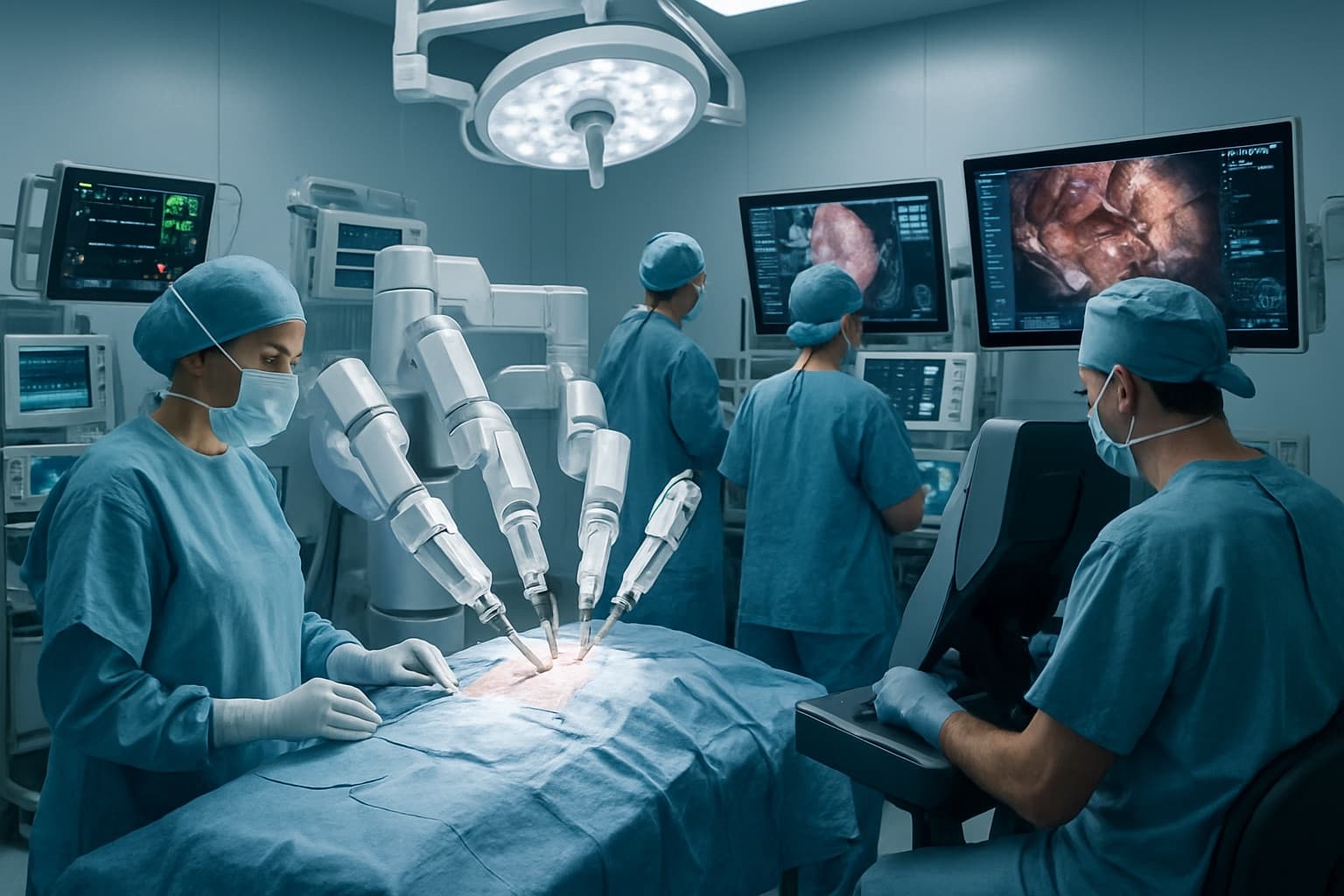
Minimally invasive procedures use smaller incisions combined with specialized instruments and cameras to perform the same operations with far less disruption to the body. Laparoscopic surgery, for example, allows surgeons to operate using tiny instruments inserted through small openings while viewing the procedure on high-definition monitors. Patients frequently experience less pain, lower infection risk, reduced scarring, and shorter recovery periods compared to older surgical methods. In many specialties, minimally invasive surgery has fundamentally changed the patient experience.
Robotic-Assisted Surgery Has Increased Precision
Robotic-assisted surgical systems have also become increasingly common in many hospitals and surgical centers. Despite the name, these systems do not perform surgery independently. Instead, surgeons control highly precise robotic instruments that allow greater flexibility, stability, and accuracy during complex procedures. Robotic systems can provide magnified three-dimensional visualization and extremely controlled movements that may be difficult to achieve with human hands alone.
This increased precision can be especially valuable during delicate procedures involving confined anatomical spaces or highly sensitive structures. Robotic-assisted surgery is now commonly used in specialties such as urology, gynecology, cardiothoracic surgery, and colorectal procedures. While not appropriate for every case, these systems have helped improve outcomes and reduce recovery times for many patients.
Advanced Imaging Has Improved Surgical Planning
Modern imaging technology has significantly improved how surgeons prepare for procedures. High-resolution MRI scans, CT imaging, 3D modeling, and advanced diagnostic systems allow healthcare providers to visualize anatomy with far greater detail before surgery even begins.
This improved planning helps surgeons anticipate challenges, map out complex procedures, and reduce uncertainty during operations. In some cases, surgeons can even create three-dimensional reconstructions of a patient’s anatomy to guide highly customized treatment approaches.
More accurate imaging also improves diagnosis itself, helping physicians identify conditions earlier and plan interventions more effectively. Better information before surgery often leads to safer procedures and more predictable outcomes overall.
Artificial Intelligence Is Beginning to Support Surgical Decision-Making
Artificial intelligence is increasingly entering healthcare environments, including surgical medicine. AI systems are not replacing surgeons, but they are beginning to assist with data analysis, imaging interpretation, risk prediction, and surgical planning support.
For example, AI-assisted systems may help identify subtle abnormalities on scans, evaluate patient risk factors, or analyze large amounts of medical data more efficiently than traditional methods alone. Some researchers are also exploring how AI may help improve real-time surgical guidance and post-operative monitoring in the future. Although this technology is still developing, many experts believe AI will continue playing a growing role in improving surgical accuracy, efficiency, and patient safety over time.
Improved Monitoring Technology Enhances Patient Safety
Modern patient monitoring systems have become far more sophisticated than earlier generations of surgical technology. During surgery, healthcare teams now track vital signs, oxygen levels, heart rhythms, blood pressure, ventilation, and other critical data continuously with remarkable precision.
Advanced monitoring allows surgical teams to identify complications or physiological changes much more quickly than in the past. This improved responsiveness helps reduce surgical risk and supports better decision-making during complex procedures. Monitoring technology also extends into recovery periods, where wearable devices and remote monitoring systems are increasingly helping healthcare providers track patient progress after discharge. These innovations are improving both immediate surgical safety and long-term recovery oversight.
Challenges and Limitations
Despite these advances, surgery still carries risks. Technology improves outcomes overall, but complications, infections, anesthesia risks, and unexpected surgical difficulties remain possible. Not every hospital has access to the same advanced systems, and not every patient is a candidate for newer techniques.
There are also ongoing discussions involving cost, accessibility, training requirements, and the potential overreliance on certain technologies. In other words, surgical innovation continues improving healthcare significantly, but no system is perfect. The human expertise of surgeons, nurses, anesthesiologists, and healthcare teams remains central to successful outcomes regardless of the technology involved.

Nick Guli
Nick Guli is the founder and editor-in-chief of Explosion.com, which he launched in February 2012. With over a decade of experience in digital publishing, Nick oversees editorial direction across entertainment, gaming, technology, and lifestyle content. He is an avid gamer and movie enthusiast who brings a critical eye to coverage of industry trends, game reviews, and entertainment news.