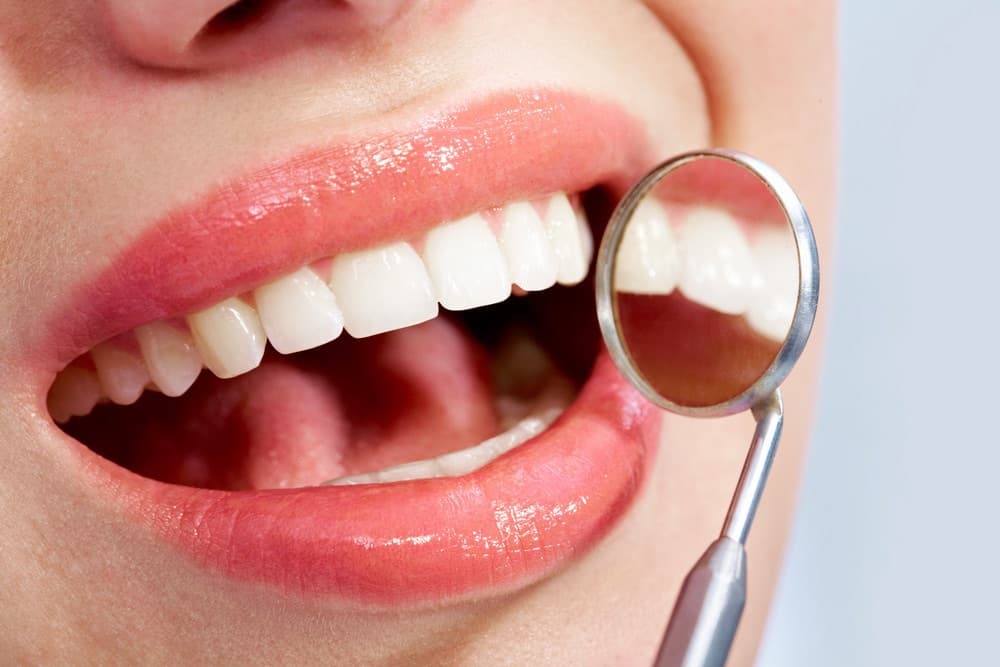
Good dental habits do more than help you maintain a bright smile. They also support comfort, confidence, and long-term oral health in ways that can affect your everyday life. When small issues are ignored, they can turn into bigger concerns that require more time, money, and treatment to resolve. Staying consistent with a few basic habits can make it easier to protect your teeth and gums over time.
Brush Thoroughly Twice a Day
Brushing your teeth twice a day is one of the most important habits to keep in place. Morning brushing helps remove bacteria and plaque that build up overnight, while brushing before bed clears away food particles and debris from the day. Using a soft-bristled toothbrush and fluoride toothpaste can help clean the surfaces of your teeth without being too harsh on your enamel or gums. Taking a full two minutes each time also gives you a better chance of reaching the areas that are often missed during rushed routines.
This habit matters because neglecting routine oral care can lead to serious problems. According to the American Dental Association, more than 2 million dental-related visits to emergency rooms happen each year in the United States. That number shows how often untreated pain, infections, and other urgent dental issues can escalate. A steady brushing routine will not prevent every problem, but it can lower the risk of avoidable complications that begin with plaque buildup and poor daily care.
Do Not Skip Flossing
Flossing is easy to overlook, but it plays a major role in keeping your mouth healthy. A toothbrush cannot always remove food particles and plaque from the tight spaces between teeth or along the gumline. Flossing once a day helps clean those areas, which can reduce irritation, bad breath, and the chance of gum problems developing over time. Whether you use traditional floss, floss picks, or another interdental cleaner, the key is making it part of your regular routine instead of treating it as an occasional extra step.
Keeping your teeth properly spaced and clean can also support treatments designed to improve alignment. According to the U.S. Bureau of Labor Statistics, traditional dental offices account for 6,180 active orthodontic jobs nationwide, representing the large majority of where these specialists practice. That reinforces how important regular office-based dental care is for people managing braces, clear aligners, or bite concerns. Daily flossing becomes even more important when you are trying to protect teeth and gums during orthodontic treatment.
Keep Up With Preventive Dental Visits
Even strong home care habits should be backed up by regular dental visits. Professional cleanings help remove hardened buildup that brushing and flossing cannot always address on their own. Routine exams also give your dental provider a chance to spot concerns early, including cavities, gum inflammation, worn enamel, or other changes that may not be obvious at home. Staying on top of appointments can help you address problems while they are still smaller and more manageable.
Preventive visits are also helpful because many dental issues develop gradually before becoming painful. A tooth can have early decay, a small crack, or gum irritation long before it becomes severe enough to interrupt your day. Consistent checkups help create a clearer picture of your oral health over time, which makes it easier to track changes and respond quickly when something needs attention. That kind of steady care often supports better outcomes than waiting until discomfort forces you to schedule a visit.
Even strong home care habits eventually reach their limit if an underlying issue goes unnoticed for too long, which is exactly why regular visits matter so much. When a problem has already progressed to the point of tooth loss or serious damage, patients researching good quality dental implants in Chula Vista, CA are usually looking at the same root cause: something that could have been addressed earlier during a routine checkup.
Be Careful With Cosmetic Shortcuts
Wanting a brighter smile is common, but it is still important to approach cosmetic treatments with care. Whitening products, for example, may seem simple, but overuse or improper use can lead to tooth sensitivity or gum irritation. It is a good idea to follow product instructions closely and talk with a dental professional if you have questions about what is safe for your teeth. Cosmetic goals should not come at the expense of your overall oral health.
Interest in whitening is clearly widespread. According to the American Dental Association, up to 19% of people have used teeth whitening treatments. That shows how many people are trying to improve the appearance of their smiles, but appearance-focused products work best when they are paired with healthy daily habits. Brushing, flossing, and regular checkups do more to support lasting oral health than any quick cosmetic fix ever could.
Good dental care usually comes down to consistency rather than perfection. Brushing thoroughly, flossing daily, keeping preventive appointments, and using cosmetic products carefully can all help you stay ahead of common oral health problems. When those habits become part of your regular routine, it becomes easier to protect your smile and avoid issues that are harder to manage later.

Nick Guli
Nick Guli is the founder and editor-in-chief of Explosion.com, which he launched in February 2012. With over a decade of experience in digital publishing, Nick oversees editorial direction across entertainment, gaming, technology, and lifestyle content. He is an avid gamer and movie enthusiast who brings a critical eye to coverage of industry trends, game reviews, and entertainment news.