Recovery is not a one-size-fits-all process. The best treatment program for one person may feel completely wrong for someone else. Factors such as mental health needs, lifestyle, family responsibilities, career obligations, and personal preferences all influence which type of rehab delivers the strongest results. Understanding the differences between today's treatment options can help individuals and families make more informed decisions when it is time to seek care.
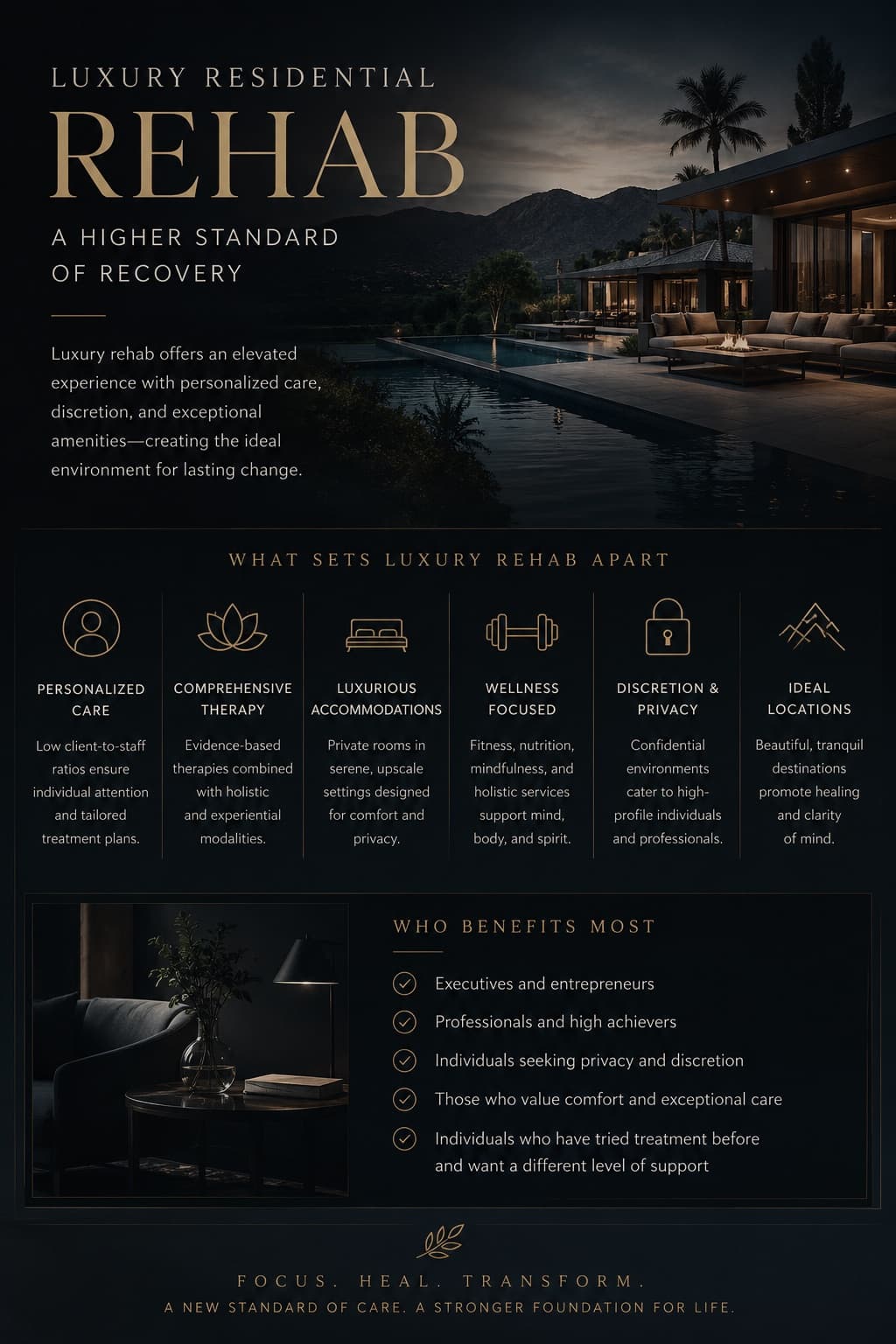
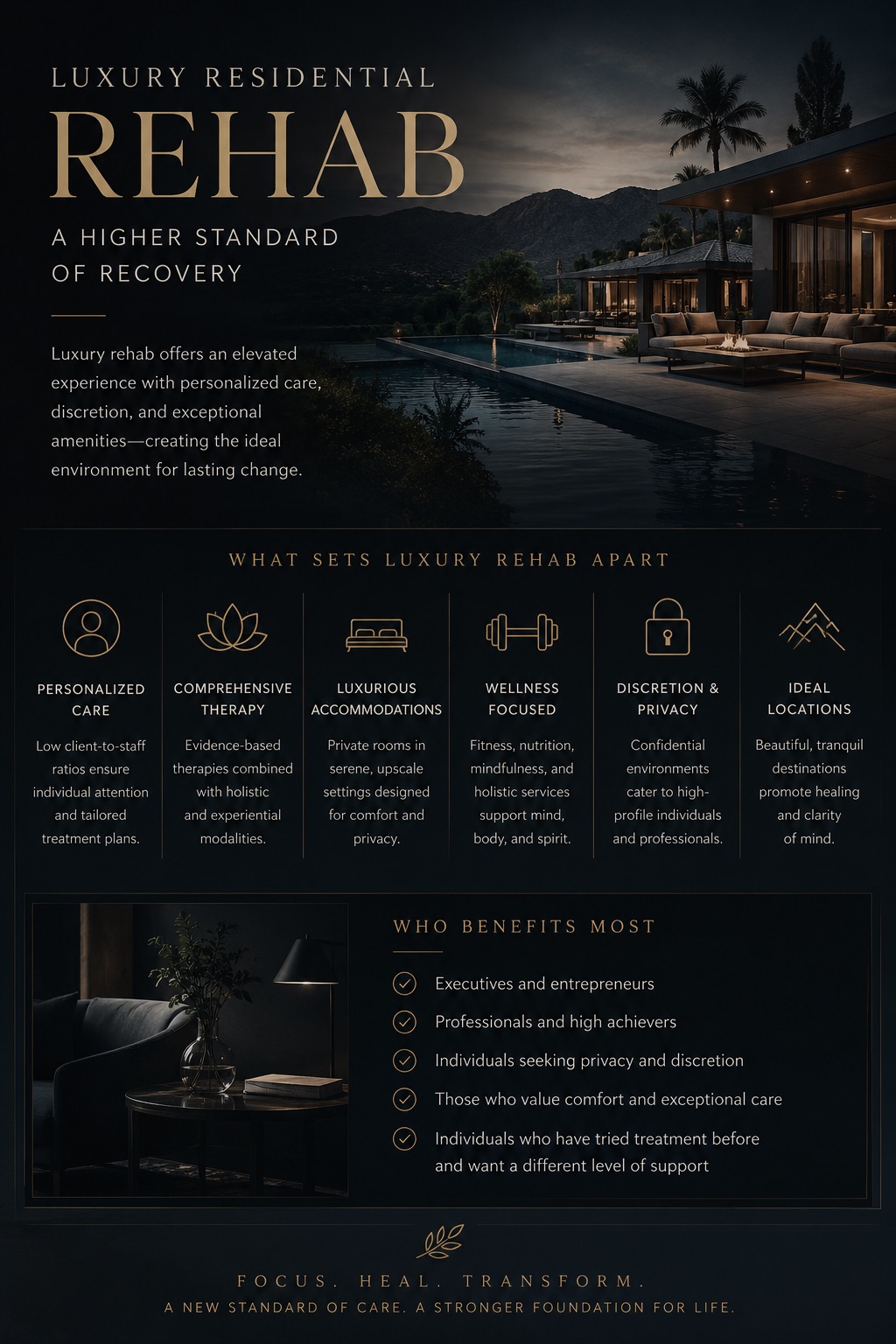
Luxury Residential Rehab for Privacy and Personalized Care
For people who value comfort, discretion, and individualized treatment plans, residential programs often provide the most immersive experience. These facilities remove daily distractions and allow clients to focus entirely on recovery while receiving structured clinical support throughout the day.
Many people choose luxury rehab in California, Tennessee or Virginia because these programs typically offer smaller client-to-staff ratios, private accommodations, holistic wellness services, and highly personalized treatment plans. In addition to evidence-based therapies, luxury programs may incorporate fitness training, nutrition counseling, mindfulness practices, and experiential therapies designed to support overall well-being.
This level of care can be especially beneficial for executives, professionals, caregivers, and individuals who have attempted treatment before but struggled to maintain long-term progress. By creating an environment that minimizes outside stressors, residential treatment allows people to develop new habits while building a stronger foundation for recovery.
Outpatient Rehab for Flexibility and Daily Responsibilities
Not everyone can step away from work, family, or other obligations for several weeks. Outpatient treatment offers a more flexible alternative while still providing access to therapy, counseling, and recovery support services.
Programs vary in intensity. Some individuals attend a few sessions per week, while others participate in intensive outpatient programs that involve multiple hours of treatment several days each week. This structure allows participants to continue living at home while applying recovery skills in real-world situations.
Outpatient treatment often works well for people with stable living environments and strong support systems. It can also serve as a step-down option after completing residential care. The ability to practice coping skills while navigating everyday life can strengthen confidence and accountability throughout the recovery process.
Dual Diagnosis Rehab for Complex Mental Health Needs
Mental health and substance use challenges frequently occur together. Anxiety, depression, trauma-related conditions, and other psychiatric concerns can influence substance use patterns, while substance use can worsen mental health symptoms.
For people living with co-occurring disorders, integrated treatment is often the most effective approach. Dual diagnosis programs address both conditions simultaneously rather than treating them as separate issues. This coordinated model helps clinicians identify how symptoms interact and develop treatment plans that address the full picture. Comprehensive care may include psychiatric evaluations, medication management, individual therapy, group counseling, trauma-informed treatment, and relapse prevention planning. When both mental health and substance use concerns receive attention at the same time, individuals are often better positioned to achieve meaningful and lasting improvements.
Faith-Based Rehab for Spiritual Support
For some individuals, spiritual beliefs play a central role in recovery. Faith-based treatment programs combine clinical care with religious or spiritual practices that align with participants' values and worldview.
These programs may incorporate prayer, pastoral counseling, scripture study, worship services, or discussions about purpose and personal growth. While clinical therapies remain an important part of treatment, the spiritual component provides an additional source of guidance and encouragement.
Faith-based programs appeal to people who want recovery to reflect their existing beliefs. Many participants find that reconnecting with their spiritual foundation helps strengthen resilience during difficult moments and provides motivation to continue moving forward.
Holistic Rehab for Whole-Person Wellness
Holistic treatment focuses on improving physical, emotional, mental, and lifestyle health alongside traditional recovery services. Rather than concentrating solely on substance use, these programs examine the broader factors that influence overall wellness.
Common offerings include yoga, meditation, nutritional counseling, exercise programs, massage therapy, art therapy, and mindfulness training. While these services do not replace evidence-based clinical treatment, they often complement traditional approaches by helping individuals manage stress and build healthier routines.
Holistic programs may be particularly appealing to people who want to improve multiple aspects of their lives during treatment. Recovery often extends beyond stopping substance use. It also involves learning how to care for the mind and body in sustainable ways.
The right rehab program depends on each person's circumstances, goals, and treatment needs. Whether someone benefits most from residential care, outpatient support, dual diagnosis treatment, faith-based programming, or a holistic approach, choosing a program that aligns with those needs can make the recovery journey more effective and more sustainable.

Nick Guli
Nick Guli is the founder and editor-in-chief of Explosion.com, which he launched in February 2012. With over a decade of experience in digital publishing, Nick oversees editorial direction across entertainment, gaming, technology, and lifestyle content. He is an avid gamer and movie enthusiast who brings a critical eye to coverage of industry trends, game reviews, and entertainment news.