Flood damage reaches far beyond shorelines and riverbanks. Across the United States, heavy rain, storm surge, snowmelt, and blocked drainage can all cause water to enter living spaces. That pattern matters for ranch houses, townhomes, duplexes, and raised properties alike. Effective protection focuses on how water moves, where pressure builds, and which building systems fail first. With careful upgrades, owners can lower repair costs, shorten recovery, and reduce hazards that often follow saturation.
Start With Risk Mapping
Every smart upgrade begins with a close look at exposure. Owners should review grade slope, nearby pavement, drainage routes, basement depth, and equipment placement before choosing materials or barriers. That review helps families compare flood protection for homes with the exact threats around a structure, whether those include river overflow, tidal surge, surface pooling, or sewer backup. Clear mapping keeps money directed at the points most likely to fail.
Elevate Critical Equipment
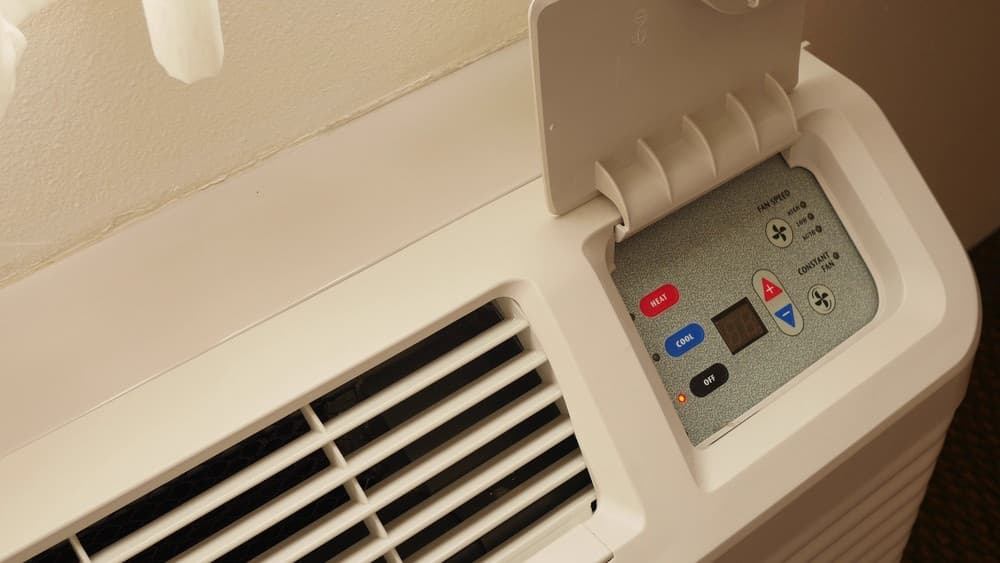
Mechanical equipment often fails before framing does. Furnaces, water heaters, electrical panels, and heating or cooling units should sit above the expected flood height. Wall brackets or raised platforms can keep shallow water from reaching sensitive components. This step works in slab houses, crawl spaces, and basements. Faster protection of these systems often means safer reentry, earlier power restoration, and less secondary damage from damp wiring or contaminated standing water.
Install Flood Vents
Enclosed lower areas can trap hydrostatic pressure as water rises outside. Flood vents allow water to pass through in a controlled manner, which helps equalize the force on both sides of a wall. That pressure relief can reduce cracking, bowing, or partial collapse. Homes with crawl spaces, lower garages, or enclosed areas beneath elevated rooms benefit most. Even a modest flood can place intense stress on foundation sections without that opening.
Add Backflow Protection
Heavy rainfall can overload public sewer lines and force wastewater backward into drains. A backflow valve blocks reverse movement before contaminated water reaches tubs, sinks, or lower-level toilets. Sanitary flooding creates a different level of risk because cleanup must address bacteria, odor, and soaked porous materials. Older neighborhoods often face greater exposure due to aging pipe networks. A licensed plumber can confirm the layout, valve type, and the best installation point.
Improve Site Drainage
Water leaving the roof should move away quickly and stay away. Longer downspouts, properly graded soil, shallow swales, and catch basins help redirect runoff before it pools near the foundation. Permeable paving can also reduce surface accumulation during heavy rain. These corrections fit nearly any property because they address the ground first. Better drainage lowers the risk of seepage, limits erosion, and reduces recurring moisture around walls, slabs, and planted areas.
Seal the Lowest Openings
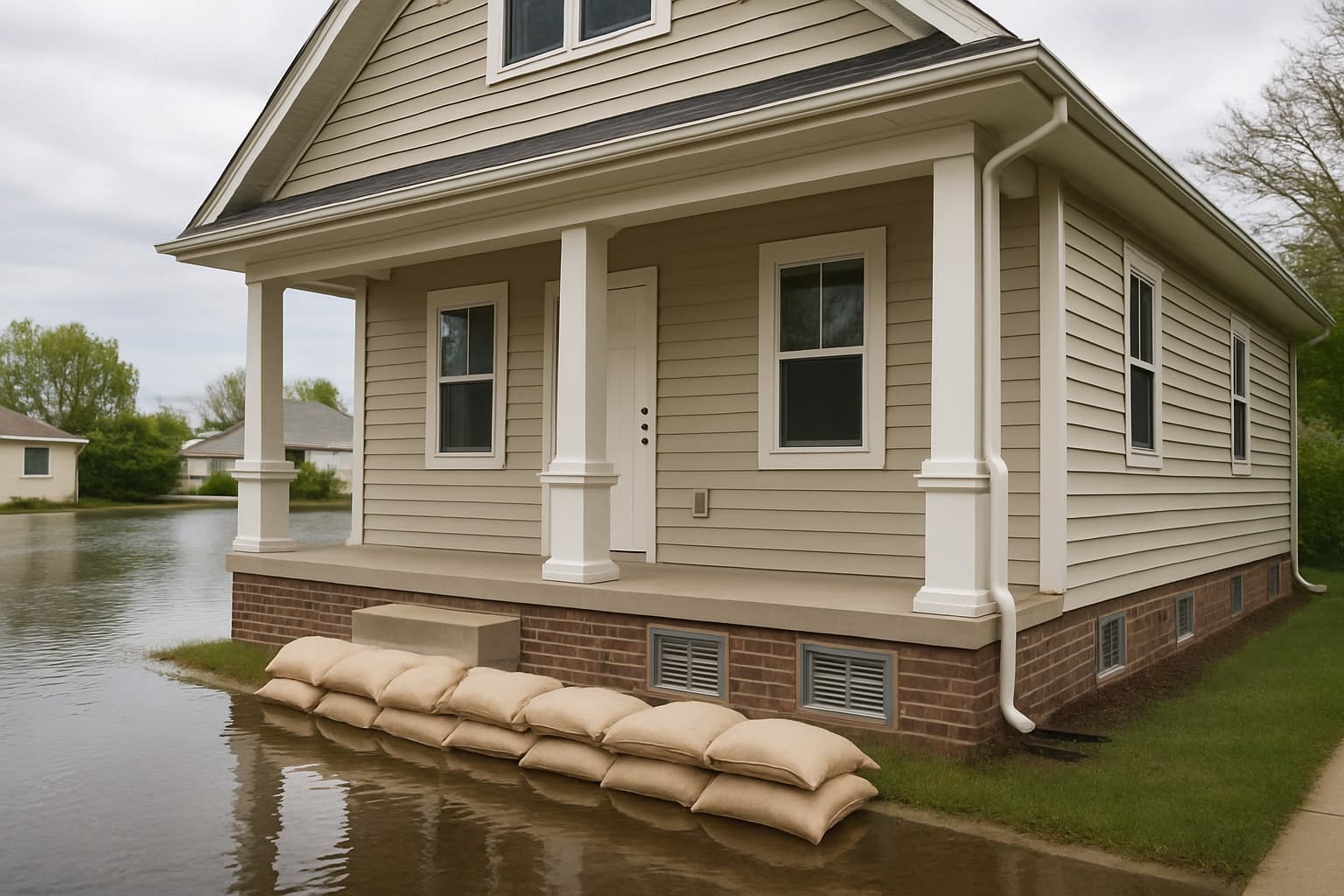
Low doors, foundation penetrations, vents, and window wells often become early entry points. Removable shields, watertight barriers, and properly sealed utility gaps can slow water intrusion during shorter events. This approach works best as one layer within a broader plan. Attention should be focused on the lowest exposed openings first. Once water enters through a weak point, it can spread rapidly into finished rooms, insulation cavities, and electrical pathways.
Choose Water-Tolerant Materials
Some houses cannot keep every inch of water outside, especially in areas with repeated inundation. In those settings, durable interior materials can limit damage after contact. Tile flooring, closed-cell insulation, pressure-treated lumber, and moisture-tolerant wall finishes usually recover better than carpet, fiberboard, or untreated trim. This choice makes sense in lower levels, utility rooms, and garages. Quicker drying also reduces mold growth, material decay, and prolonged indoor humidity.
Use Sump Pumps With Backup Power
Low-level spaces often need active water removal during prolonged rain. A sump pump can move seepage or rising groundwater before it spreads across the floor. Backup power matters because electrical outages often occur during the same storm. Battery systems or secondary pumps provide protection when the primary unit stops working. This measure does not replace grading or drainage repairs, yet it can sharply reduce interior saturation where foundations sit below surrounding soil.
Consider Elevation for High-Risk Homes
Some properties flood repeatedly despite minor corrections. In those cases, raising the structure above the expected flood height may provide the strongest long-term reduction in loss. The cost is higher, yet repeated repairs can exceed that investment over time. Elevated living areas also keep wiring, appliances, and finished surfaces farther from floodwater. For houses in chronic hazard zones, this option may address exposure more directly than any other single measure.
Conclusion
Strong flood protection rarely comes from a single purchase. The best results usually combine site drainage, equipment elevation, pressure relief, backflow control, sealed openings, and materials that tolerate wet conditions. Each measure addresses a different failure point inside or outside the building envelope. Owners should match improvements to house type, lot features, and local flood history. That practical method can reduce structural loss, speed cleanup, and protect the people who live there.

Nick Guli
Nick Guli is the founder and editor-in-chief of Explosion.com, which he launched in February 2012. With over a decade of experience in digital publishing, Nick oversees editorial direction across entertainment, gaming, technology, and lifestyle content. He is an avid gamer and movie enthusiast who brings a critical eye to coverage of industry trends, game reviews, and entertainment news.