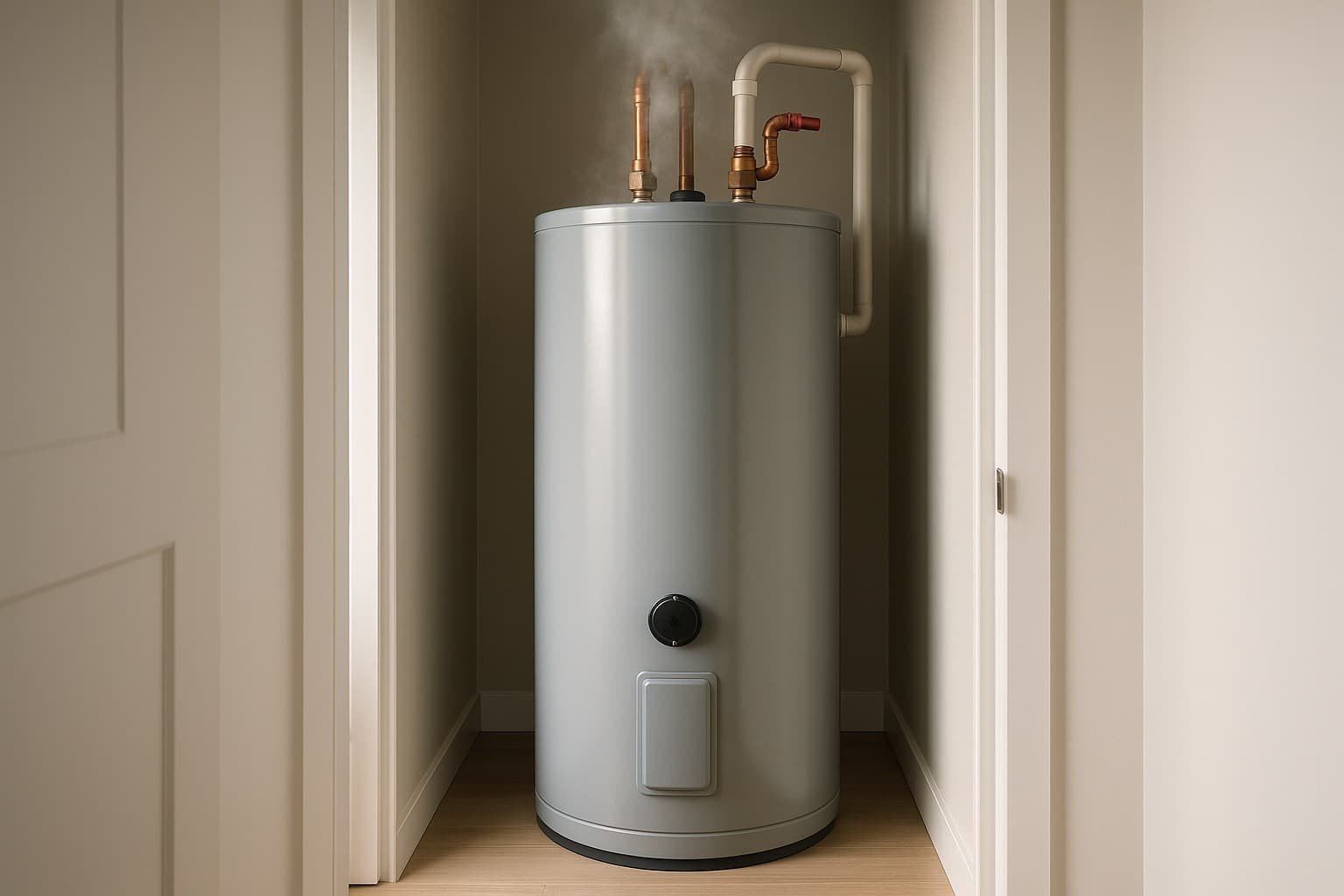
A water heater that loses consistent heat can disrupt bathing, cooking, laundry, and cleanup within a single day. Most systems show early clues before complete failure. Water may turn lukewarm, recovery may slow, or the tank may produce popping sounds during heating cycles. Rust tint, fluctuating temperature, and rising utility costs often point to a mechanical fault. Careful attention to those signs helps households decide whether adjustment, repair, or replacement makes the most sense.
Sediment Buildup
Mineral scale often explains poor heating in storage tanks, especially where hard water is common. As deposits settle, they form a barrier above the burner or lower element. Households searching for water heater repair Thousand Oaks often report rumbling noise, uneven output, and longer recovery periods, symptoms that fit heavy sediment accumulation. That layer reduces heat transfer, raises fuel use, and places extra strain on internal parts during each cycle.
Thermostat Drift
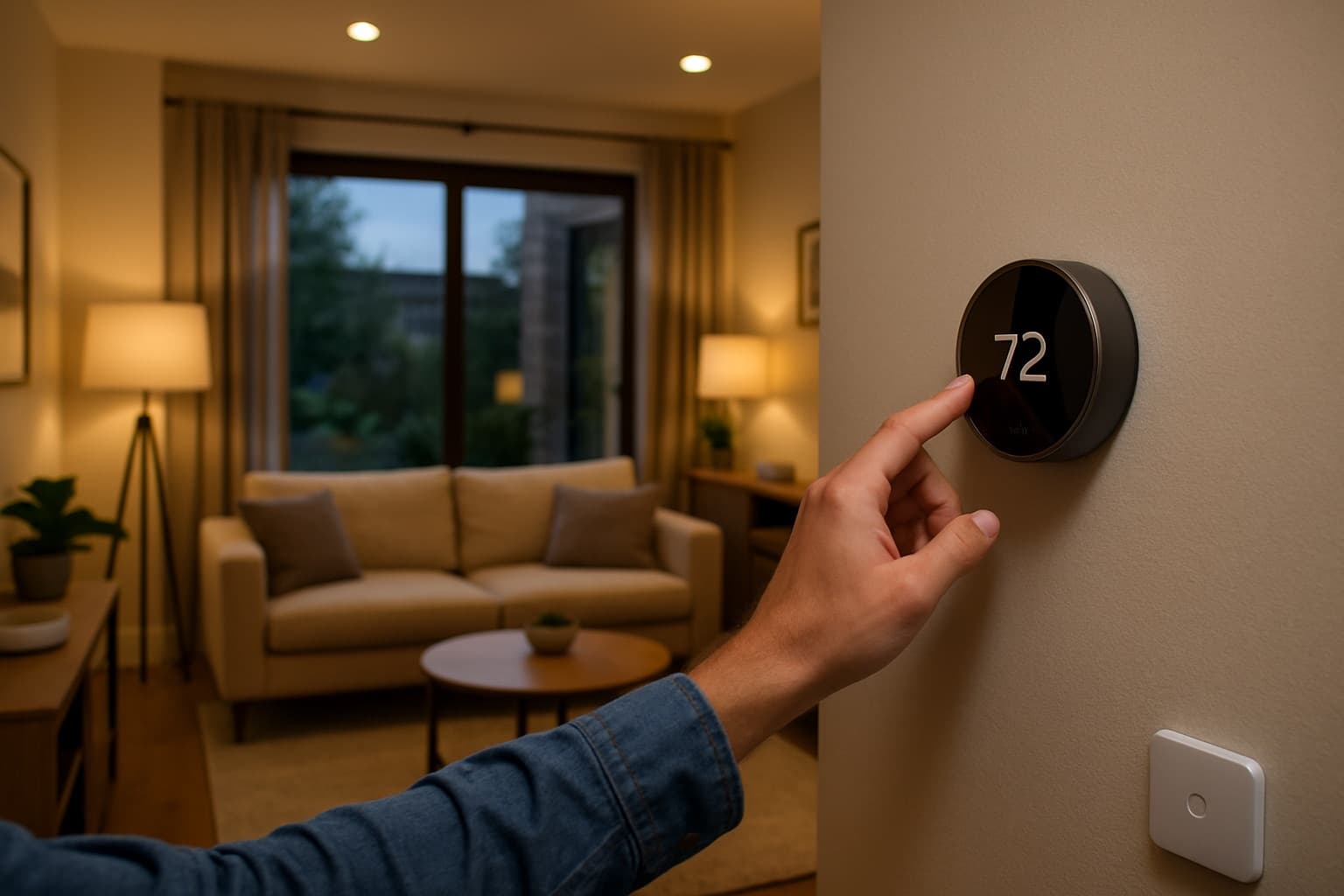
A thermostat that reads inaccurately can leave water cooler than expected and then suddenly uncomfortably hot. Many homes keep the setting near 120 degrees Fahrenheit for safety and daily use. If calibration slips, the unit may stop heating too early. Older controls can also cycle at the wrong point, which leads to inconsistent shower temperature and weaker cleaning performance at sinks or dishwashers.
Failing Heating Elements
Electric heaters usually depend on upper and lower elements working in sequence. When one burns out, some warm water may still appear, yet the supply disappears quickly. Morning demand often exposes that weakness first. A continuity test can confirm failure, but the inspection should also cover wiring, corrosion, and scale. Those related problems often shorten element life and interfere with steady tank recovery.
Burner Problems
Gas models rely on a clean burner, proper air mix, and steady fuel delivery. Dust, rust flakes, or moisture can weaken ignition and reduce flame quality. As a result, the tank heats slowly and struggles during periods of high use. Yellow flames, soot, or delayed lighting deserve prompt attention. Those signs can reflect incomplete combustion, lower efficiency, and venting trouble that affects household safety.
Pilot Light Issues
Some gas heaters still use a standing pilot to ignite the main burner. If that flame goes out, hot water production stops. Drafts, dirty openings, and worn thermocouples are common causes. A pilot who refuses to stay lit usually signals a failing safety part. Because combustion systems carry real risk, repeated relighting attempts should wait until the assembly has been checked carefully.
Dip Tube Damage
The dip tube directs incoming cold water to the bottom of the tank for proper heating. If that part cracks or breaks, cooler water mixes near the outlet. The result can feel like an empty heater after only a short shower. This problem appeared more often in some older units. For that reason, model age and service history can offer useful diagnostic clues.
Valve Restrictions
A restriction in the plumbing line can mimic heater failure even when the tank is working well. Shutoff valves, fixture controls, and pressure-balancing shower parts can all limit hot output. Mineral deposits inside a mixing valve may also cool water before it reaches the tap. When one fixture runs hot and another stays lukewarm, the issue may sit outside the heater itself.
Tank Age
Age affects reliability because internal components wear down over years of heating and cooling. Many standard tank units last eight to twelve years, though water quality and maintenance influence that range. As the system gets older, recovery slows and corrosion risk increases. Once leakage begins in the tank body, it is seldom practical to carry out repairs. Often, opting for a replacement proves to be the more sensible choice.
Pressure and Demand
Hot water shortages do not always mean the heater has failed. A household may simply be using heated water faster than the unit can recover. Back-to-back showers, laundry loads, and dishwashing can overwhelm a small tank. Low gas pressure or limited electrical supply can worsen that gap. Comparing tank size with daily demand helps show whether the problem is mechanical or capacity-related.
Maintenance Habits
Routine care supports better heating and can extend equipment life by several years. Flushing the tank once or twice annually helps remove sediment and restore heat transfer. Anode rod checks reduce internal corrosion, while burner cleaning supports proper combustion in gas models. Temperature settings also deserve review after service. Small maintenance steps usually cost less than emergency repair after prolonged neglect or hidden wear.
Conclusion
Poor heating usually stems from a short list of causes, including sediment, thermostat error, failed elements, burner trouble, valve restriction, or simple age. Each fault leaves clues in recovery speed, sound, temperature, or water appearance. When households recognize those patterns early, they can limit wasted energy and reduce the chance of sudden failure. A timely inspection often clarifies whether focused repair will solve the issue or whether replacement is the smarter step.

Nick Guli
Nick Guli is the founder and editor-in-chief of Explosion.com, which he launched in February 2012. With over a decade of experience in digital publishing, Nick oversees editorial direction across entertainment, gaming, technology, and lifestyle content. He is an avid gamer and movie enthusiast who brings a critical eye to coverage of industry trends, game reviews, and entertainment news.