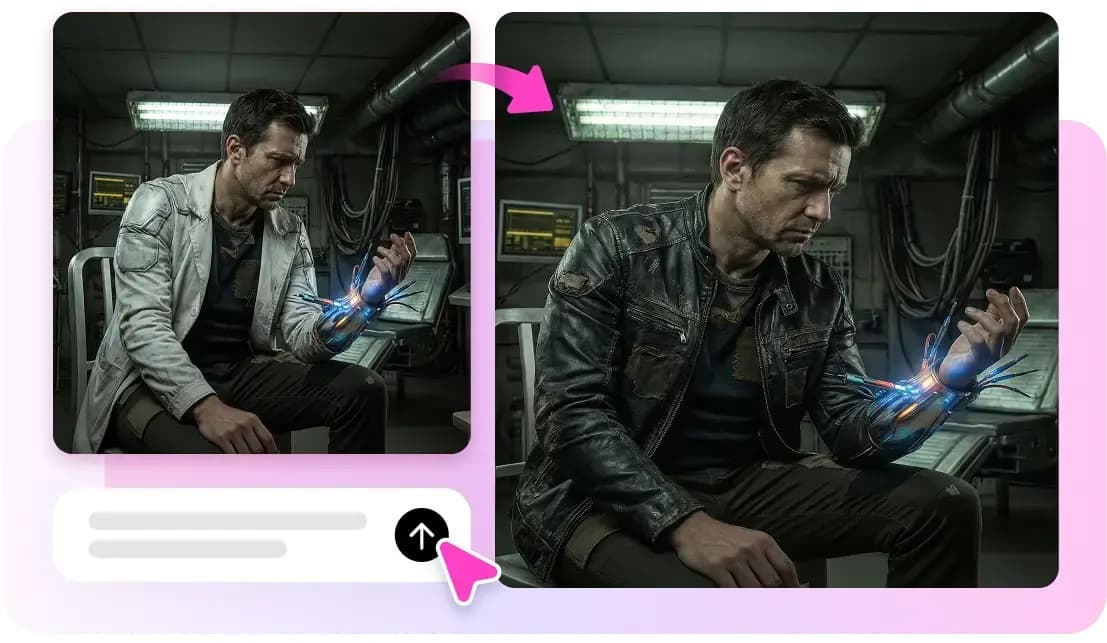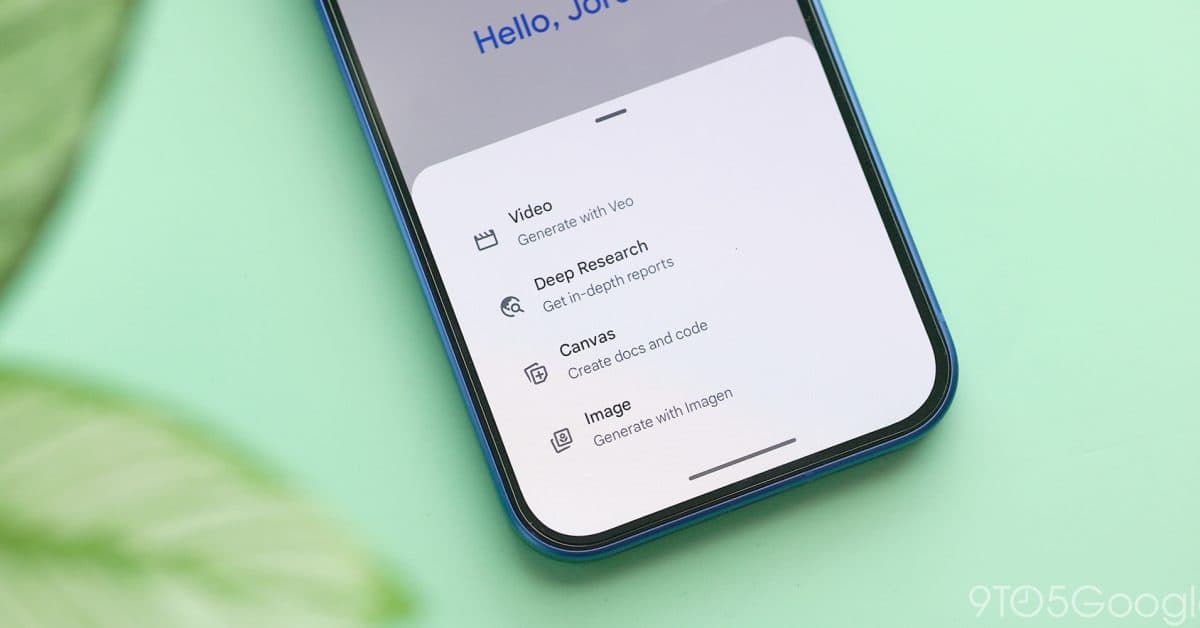
Google is introducing AI-generated content detection in both Search and Chrome. This feature will help users easily identify whether a photo, video, or audio clip was created by a human or a machine.
This comes as spotting AI-generated media has become more challenging. With tools that can create realistic images, mimic voices, and produce videos widely available, Google’s aim is to automate information disclosure. Users won’t need to search for a third-party fact-checker anymore.
How It Works
The detection uses a technology called Content Credentials. Think of it as a nutrition label for digital media. When something is tagged with metadata showing it was AI-generated, Google’s systems can read that tag. They’ll then show a warning or label directly in Search results or while browsing in Chrome.
This builds on Google’s existing SynthID system, which acts as a digital watermark. This invisible signature is embedded into AI-generated content that Google’s tools apply to images and audio. By expanding this to Search and Chrome, Google ensures the watermark appears where users can see it.
Google has also updated the Circle to Search feature for Android users. Now, it flags AI-generated images when they’re detected—a capability Google confirmed earlier this week.
Why Google Is Doing This Now
The timing is strategic. Over the past 18 months, AI image and video generators have improved significantly. This rise in synthetic media has led to real-world problems, like fake celebrity endorsements and fabricated news footage. Governments in the US and EU are now pushing for transparency around AI-generated content, adding pressure on platforms to respond.
Google has a business incentive too. Since Search is their core product, if users stop trusting the results because they can’t differentiate what’s real, it poses a serious threat. Adding authenticity signals to Search results aims to build that trust.
This announcement came during Google I/O 2026, the company’s annual developer conference. Alongside this, Google also revealed changes to its Gemini AI subscription tiers, making them more affordable, and previewed the upcoming Android XR smart glasses.
By The Numbers
| Data Point | Detail |
|---|---|
| Company | Alphabet / Google (GOOGL) |
| Stock Price | $387.66 (-2.34%) |
| CEO | Sundar Pichai |
| Headquarters | Mountain View, CA |
| Founded | 1998 |
| Products Affected | Google Search, Chrome, Circle to Search |
| Detection Standard Used | Content Credentials + SynthID watermarking |
What This Means for You
If you use Google Search or Chrome—and most people do—you’ll soon see labels on images or videos that indicate they were AI-generated. You won’t need to install anything or tweak settings. The information will appear automatically, just like a website’s security certificate appears as a padlock icon in your browser.
The downside? The system only works if the AI-generated content is properly tagged. If someone creates a fake image and removes the metadata before sharing, Google’s tools won’t catch it. It’s like a shoplifting deterrent: it works against casual deceivers but not against those who are more determined.
That said, a lot of misleading AI content spreads not out of malice, but because people share things without realizing they’re misleading. Adding a label to that content, even if it’s imperfect, helps limit its reach.
Community Reactions
“This is genuinely useful if it actually works at scale. I’ve been fooled by AI images in Google Image Search more than once. Even a ‘this might be AI’ label would help.”
“The problem is bad actors will just remove the metadata. This helps with accidental misinformation but not intentional deepfakes.”
What To Watch
- Rollout timeline: Google hasn’t confirmed when AI detection labels will be available for all users in Search and Chrome. Expect a staged rollout, likely starting in the US.
- Industry adoption: Content Credentials is a standard supported by the Coalition for Content Provenance and Authenticity (C2PA), which includes Adobe, Microsoft, and others. Broader adoption across platforms would enhance the system’s effectiveness.
- Chrome update: A Chrome browser update enabling in-browser detection is expected in the coming months. Keep an eye on Chrome release notes for updates.
- Android XR glasses: Google confirmed its Android XR smart glasses are set to launch this fall, potentially integrating AI detection features into a wearable context.
- Regulatory pressure: The EU AI Act provisions on synthetic media labeling will take effect later this year. This may speed up Google’s deployment of these features in European markets.
Sources

Ava Mitchell
Ava Mitchell is a digital culture journalist at Explosion.com covering social media platforms, streaming services, and the creator economy. With 4 years reporting on TikTok, Instagram, YouTube, and the apps that shape daily life, Ava specializes in explaining platform policy changes and their impact on everyday users. She previously managed social media strategy for a tech startup, giving her firsthand experience with the platforms she now covers.