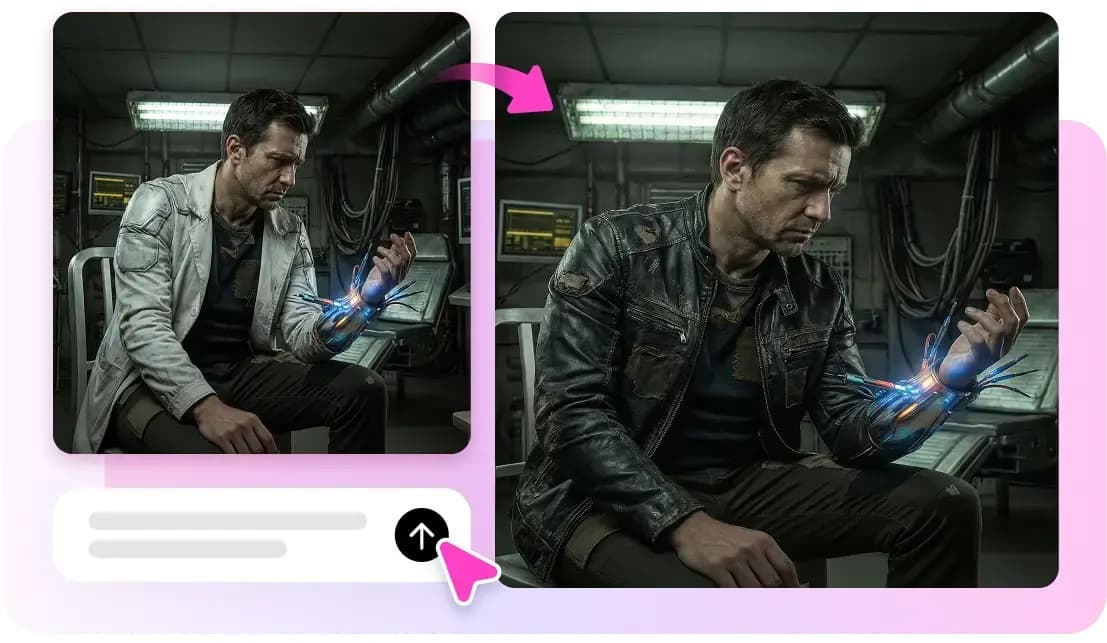
Google is rolling out its SynthID technology to Circle to Search, Chrome, and Pixel devices. This update gives users an easy way to check if an image was created or altered by AI, no technical skills needed.
Unveiled at Google I/O 2026, this update integrates AI detection right into tools millions of people already use. Circle to Search, which lets you draw a circle around anything on your screen to search for it, will now show a warning if an image shows signs of AI generation.
What Is SynthID?
SynthID is Google’s system for watermarking AI-generated content. Think of it as an invisible ink stamp embedded in an image when it’s created. This watermark can survive common edits like cropping, color changes, and compression, making it tough to remove. While Google initially developed SynthID for images created with its own AI tools, it’s now expanding this technology into everyday products.
The aim is clear: as AI image generators become more accessible and harder to distinguish from real photos, Google wants to provide users with a way to verify what they see without needing expertise in digital forensics.
How It Works in Practice
If you have a Pixel phone, you can circle an image using Circle to Search and receive a label indicating whether it was AI-generated or edited. In Chrome, this detection kicks in while you browse the web, flagging images before you even think to question them. The feature relies on SynthID’s ability to read watermarks, scanning for those invisible markers left by AI tools.
This expansion is part of a larger effort Google announced at I/O 2026 to make AI transparency a standard experience, instead of something you have to search for. Google is also launching Pics, a new AI image editing app for Workspace, which will automatically apply SynthID watermarks to any images generated or edited within the app.
By The Numbers
| Data Point | Detail |
|---|---|
| Company | Alphabet / Google (GOOGL) |
| Stock Price | $387.66 (-2.34%) |
| CEO | Sundar Pichai |
| Headquarters | Mountain View, CA |
| Founded | 1998 |
| Feature | SynthID watermark detection |
| Platforms Getting SynthID | Circle to Search, Chrome, Pixel devices |
| Announced | Google I/O 2026 |
Why Google Is Doing This Now
The timing is strategic. AI image generation has shifted from a novelty to a mainstream tool in just two years. Apps like Midjourney, Adobe Firefly, and Google’s own Imagen can create photorealistic images in seconds. This rapid advancement has led to a pressing issue: misinformation spreads quickly when fake images appear real, and most people can’t tell the difference.
Google isn’t the only company tackling this challenge. The Coalition for Content Provenance and Authenticity, or C2PA, is an industry group working on open standards for content credentials. This essentially establishes a chain of custody for digital images. While SynthID embeds the detection signal directly into images, C2PA’s approach attaches external metadata. Regardless, both efforts aim for the same goal: greater transparency about the origins of images.
One limitation with SynthID is that it can only detect watermarks it has placed. If an image comes from another AI tool that doesn’t use SynthID, Circle to Search won’t flag it. So far, Google hasn’t announced any partnerships that would allow it to read watermarks from competing platforms.
Community Reactions
“This is genuinely useful but only if you’re already inside the Google ecosystem. The second someone generates an image with literally anything else, SynthID has no idea.”
“Circle to Search just keeps getting better. First it could identify songs, now it’s catching AI fakes. This is the feature Android needed.”
What This Means for You
If you use a Pixel phone or browse in Chrome, you’ll soon have an easy way to check if an image was created by AI. This is handy while reading news, shopping online, or scrolling through social media when something seems a bit too perfect. You won’t need a separate fact-checking tool or to upload images anywhere — the verification happens as you browse.
For small business owners and educators, the new Pics app for Google Workspace means any AI images you create will automatically carry a SynthID watermark. This could be important as schools and workplaces develop their own guidelines regarding AI-generated content.
In the bigger picture, Google is emphasizing transparency as a key feature. Whether this will effectively slow the spread of AI-generated misinformation depends on how widely SynthID gets adopted beyond Google’s products.
What To Watch
- Rollout timing: Google hasn’t shared a specific date for when Circle to Search and Chrome will gain SynthID detection. Expect a phased rollout to Pixel devices first, likely within weeks of I/O 2026.
- Third-party adoption: The true test for SynthID is whether other AI image platforms will adopt it. Any news of partnerships with Adobe, OpenAI, or Midjourney would greatly enhance what the feature can detect.
- Google Pics availability: Although the Workspace image app was announced at I/O 2026, details on its availability are still scarce. Google has indicated it’s targeting teachers and small business owners, suggesting a broad rollout rather than just for enterprises.
- Regulatory pressure: The EU’s AI Act includes rules around transparency for AI-generated content. Google’s SynthID expansion might also be a proactive move to comply with upcoming regulations.
Sources: Engadget, TechCrunch, The Verge

Daniel Park
Daniel Park covers AI, cloud infrastructure, and enterprise software for Explosion.com. A former software engineer who transitioned to technology journalism 5 years ago, Daniel brings technical depth to his reporting on artificial intelligence, startup funding rounds, and the companies building the future of computing. He breaks down complex AI developments and business strategies into clear, actionable insights for readers who want to understand how technology is reshaping industries.