
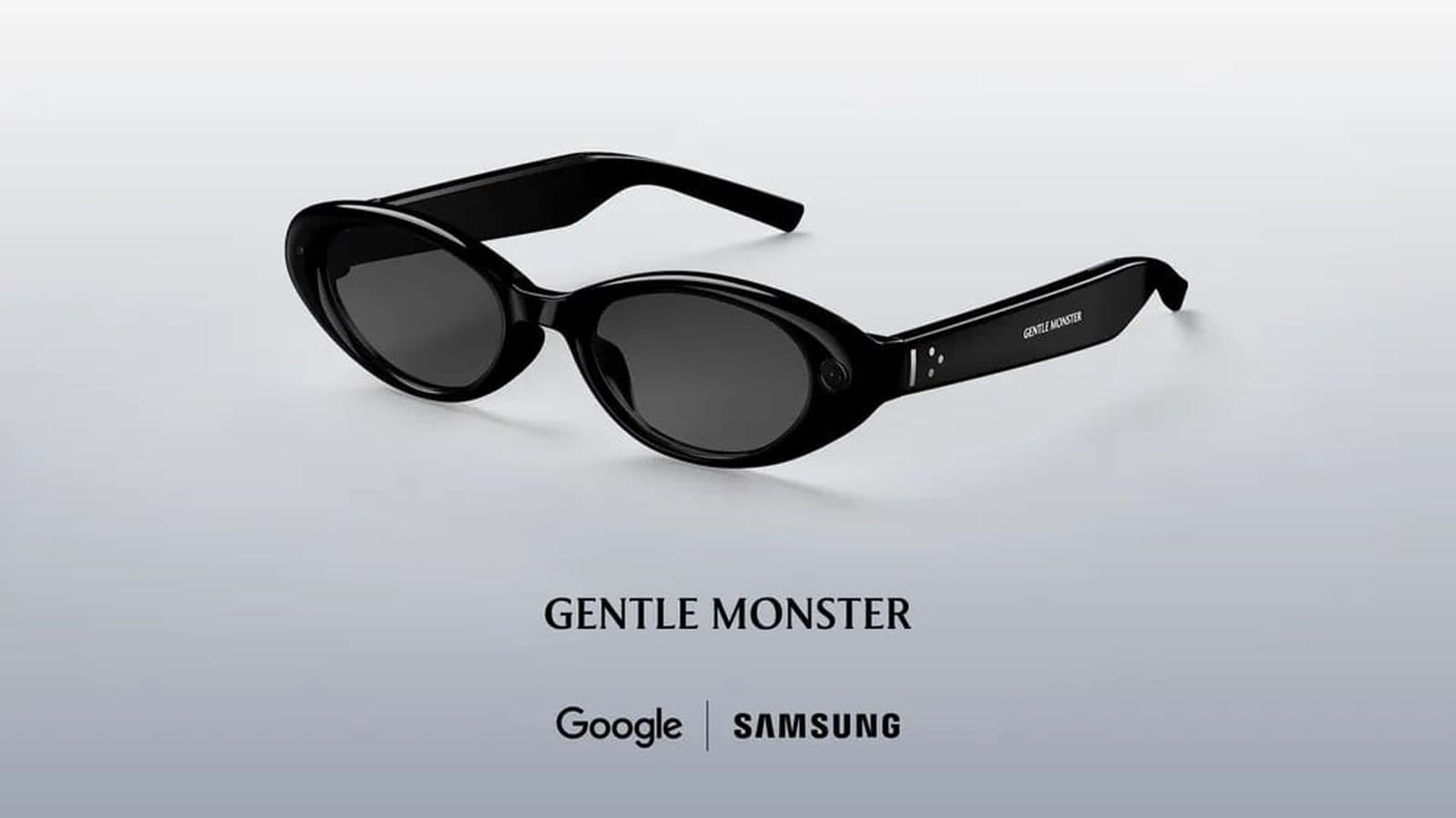
Google and Samsung have officially introduced their first Android XR smart glasses. Two versions will launch this fall, thanks to partnerships with eyewear brands Warby Parker and Gentle Monster. However, they haven’t shared a name or price just yet.
This announcement occurred at Google I/O 2026, where the company revealed its vision for what they call “intelligent eyewear.” We now know what the glasses look like and when they’re expected to hit the market, but many details remain under wraps.
What Are Android XR Glasses, Exactly?
Android XR (XR stands for “extended reality”) is Google’s operating system designed for wearable devices like headsets and glasses. You can think of it as Android, but tailored for things you wear on your face instead of hold in your hand.
These glasses focus primarily on sound and integrate Google’s Gemini AI assistant. They aren’t meant to provide a full visual display like what you’d find in a sci-fi movie. Instead, their design is more akin to Meta’s Ray-Ban smart glasses than Apple’s Vision Pro.
Google is collaborating with two very different eyewear partners for this launch. Warby Parker is known for stylish, affordable frames and a direct-to-consumer model, appealing to the mainstream market. Gentle Monster, a luxury brand from South Korea, adds a touch of fashion credibility. This dual partnership indicates that Google aims to attract a diverse range of buyers.
iPhone Users Are Invited Too
One interesting detail: according to MacRumors, these glasses will work with iPhones, not just Android devices. This is a surprising move for a product based on Google’s own OS, broadening the potential user base. It looks like Google is opting for wider reach over ecosystem exclusivity, at least for the initial launch.
What We Still Don’t Know
There’s still a lot we don’t know. Google hasn’t disclosed:
- The official product name
- The price for either version
- Specific battery life or hardware specs
- Exact availability by region
CNET points out that while we have a glimpse of what the glasses look like, there’s still no word on cost or names. “We still don’t have a name or price” was essentially the headline of the announcement — which is surprising for a product set to launch in just a few months.
| By The Numbers: Alphabet / Google | |
|---|---|
| Company | Alphabet (GOOGL) |
| Stock Price | $387.66 (-2.34%) |
| CEO | Sundar Pichai |
| Founded | 1998 |
| Headquarters | Mountain View, CA |
| Eyewear Partners | Warby Parker, Gentle Monster |
| Target Launch | Fall 2026 |
How Do These Compare to What’s Already Out There?
Meta’s Ray-Ban smart glasses currently set the standard for AI audio glasses. They’ve sold well enough that Meta continues to invest in this category. Google is stepping into a market that has demonstrated genuine consumer interest, but the novelty might have faded for early adopters.
The Warby Parker version will likely draw in those wanting something that looks normal and matches their everyday style. On the other hand, Gentle Monster’s version aims at consumers who want their tech to make a fashion statement. This strategy mirrors what Meta did by partnering with Ray-Ban — normalizing the form factor by associating it with a recognizable brand.
What This Means for Everyday Users
If you’ve been curious about smart glasses but hesitated to buy a pair that screams “tech,” this fall might be the moment when the category finally becomes wearable for the average person.
The iPhone compatibility is a big deal. You won’t need to switch phones or ecosystems to give these glasses a try. If Google prices the Warby Parker version close to what Meta charges for Ray-Ban glasses (starting around $299), this could become a genuine mainstream product rather than just a gadget for tech enthusiasts.
The AI aspect is important too. With Google’s Gemini assistant integrated into these glasses, you’ll be able to ask questions, get directions, or manage tasks hands-free just by speaking. This feature could become increasingly useful as AI assistants improve their context understanding. The real test will be whether the actual performance meets the expectations set during the demo.
Community Reaction
“I genuinely might buy these if the Warby Parker version looks normal enough. The Ray-Bans were too recognizable as ‘smart glasses.’ Warby frames are so common nobody would notice.”
“No price, no name, fall launch. Classic Google move — announce it before it’s ready and then either delay it or quietly drop it. I’ll believe it when I can buy it.”
What To Watch
- Pricing announcement: Google needs to share a price before the fall launch to build pre-order excitement. Look out for a dedicated hardware event this summer.
- Meta’s response: Meta has its own Ray-Ban glasses refresh in the works. A Google announcement of this magnitude could speed up Meta’s timeline or change their pricing strategy.
- Gemini AI integration: Google is rapidly expanding Gemini across its products, including Gmail, Docs, and a new proactive assistant feature called Spark. How well Gemini integrates into these glasses will be key to determining if they feel like a true AI product or just Bluetooth speakers with a camera.
- Fall 2026: This is the confirmed launch window, but no specific date has been set.

Daniel Park
Daniel Park covers AI, cloud infrastructure, and enterprise software for Explosion.com. A former software engineer who transitioned to technology journalism 5 years ago, Daniel brings technical depth to his reporting on artificial intelligence, startup funding rounds, and the companies building the future of computing. He breaks down complex AI developments and business strategies into clear, actionable insights for readers who want to understand how technology is reshaping industries.


