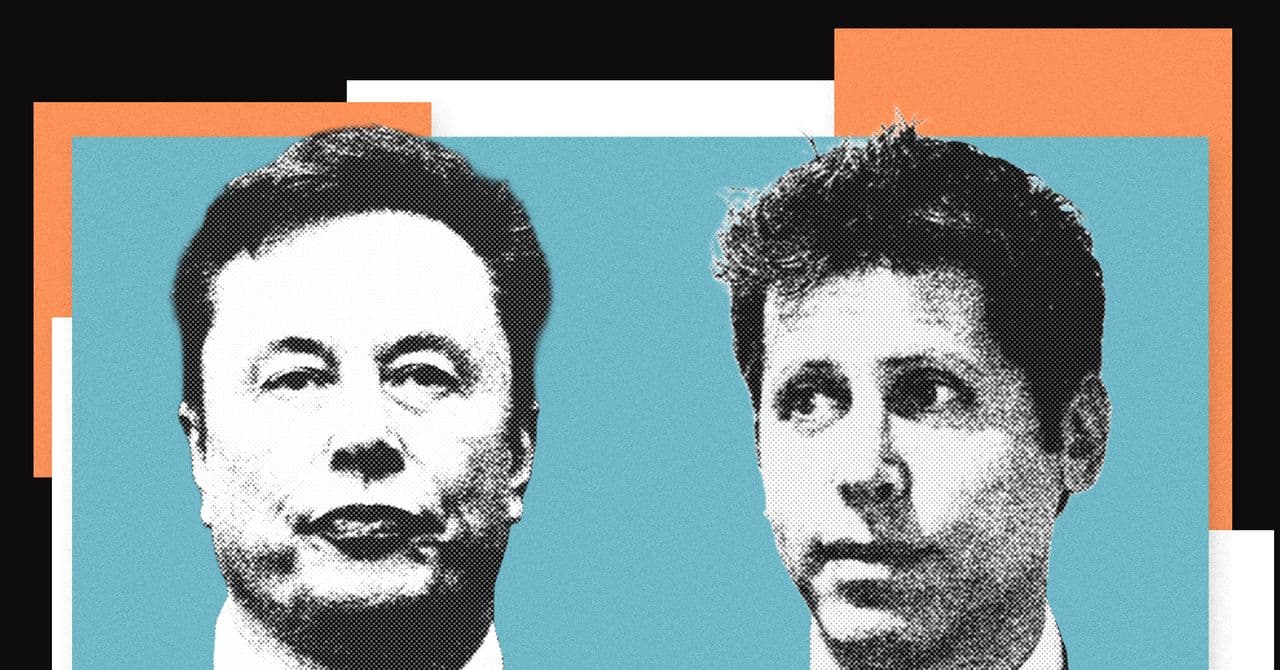
A federal jury is currently deliberating in one of the largest tech court cases in years. This case involves Elon Musk’s lawsuit against OpenAI and its CEO, Sam Altman. So far, the trial has unveiled leaked texts, a novelty trophy, and insights into the inner workings of the AI industry.
What the Case Is Actually About
Musk’s lawsuit claims OpenAI and Altman violated a founding agreement when OpenAI changed from a nonprofit to a for-profit entity. Musk argues that he contributed money and resources to OpenAI based on a promise: it would remain a nonprofit focused on developing AI safely for humanity’s benefit, rather than for shareholders.
OpenAI counters that no binding contract existed. They assert that the organization evolved with the technology and that Musk voluntarily left the board before any significant structural changes took place.
The jury’s role is to resolve a few specific legal questions. They need to determine if a valid contract existed between Musk and OpenAI, if OpenAI breached that contract, and whether Altman or other executives committed fraud by making promises they never intended to keep.
What the Jury Is Not Deciding
This case isn’t about whether AI is dangerous, if OpenAI is trustworthy, or whether Musk’s competing AI company, xAI, poses a conflict of interest. While these topics arose during the trial, the jury is focused on a narrower set of contract and fraud claims under California law.
Musk is seeking damages and has, in some filings, requested measures that would require OpenAI to operate more like a nonprofit again. Legal experts note that calculating the damages could be tricky since OpenAI was a nonprofit when Musk made his contributions.
The Moments That Defined the Trial
Both sides faced challenges during the trial. Internal messages and emails revealed that Musk had once encouraged OpenAI to consider a for-profit structure and even suggested a merger with Tesla. This undermined his claim that he was always against commercializing the organization.
On the other hand, early documents from OpenAI showed its founders discussing terms like “capped-profit” and debating mission statements that prioritized public benefit over revenue. This provided Musk’s lawyers with evidence to argue that OpenAI’s current direction diverges from what donors were promised.
Then there was the trophy incident. Before jurors entered the courtroom on one of the final days, Altman’s legal team circulated what looked like a small award. Judge Yvonne Gonzalez Rogers had attorneys read the inscription aloud for the press. It stated: “Never stop being a jackass.” According to The Verge, this was a commemorative item from OpenAI employees.
| By The Numbers: Musk v. Altman | |
|---|---|
| Year OpenAI was founded | 2015 |
| Musk’s estimated early donations to OpenAI | ~$44 million |
| Year Musk left OpenAI’s board | 2018 |
| OpenAI’s most recent valuation | ~$300 billion |
| Year OpenAI adopted a capped-profit structure | 2019 |
| Year Musk filed his lawsuit | 2024 |
Why This Trial Made Everyone Look Bad
As Wired reports, the trial might have harmed the reputation of the AI industry itself. The internal communications revealed during discovery showed a disconnect between idealistic public statements about AI safety and aggressive commercial interests behind the scenes.
Musk appears to be someone who wanted control over OpenAI on his own terms, and then decided to sue when that didn’t happen. Altman and OpenAI seem to have made promises that were vague enough to be convenient. Neither portrayal is flattering.
What This Means for Everyday Users
If Musk wins, it could signal to AI companies that founding documents and donor agreements hold real legal importance. This outcome might complicate future nonprofit-to-profit transitions. It could also add pressure on OpenAI, especially as it seeks to finalize major funding rounds and partnerships.
If OpenAI prevails, they can move forward with their restructuring plans, with one less legal distraction. For ChatGPT users, this likely means continued investment in new features and models without a lingering legal cloud. According to TechCrunch, the verdict could influence how AI companies structure themselves in the future.
Regardless of the outcome, the trial has already brought change. Promises made in Silicon Valley boardrooms now have a documented trail, and much of it is now public record.
Community Reactions
“Both of these guys are billionaires fighting over who gets to control the thing that might replace all of our jobs. I’m not sure I’m rooting for either side.”
u/techneutral_99, Reddit r/technology
“The trophy thing is legitimately one of the most unhinged moments in tech legal history and I need everyone to understand that.”
YouTube comment on The Verge’s trial coverage
What To Watch
- Jury verdict: Deliberations are happening now. A verdict could come within days, though complex civil cases sometimes take longer.
- OpenAI restructuring: OpenAI is working on converting to a fully for-profit public benefit corporation. A win for Musk could complicate or delay that process.
- Appeals: The losing side is expected to appeal, meaning this case might not be fully resolved for months or even years.
- Regulatory attention: The evidence presented during the trial could draw additional scrutiny from California’s Attorney General, who oversees nonprofit conversions.

Maya Torres
Maya Torres is the Consumer Tech Editor at Explosion.com with 7 years covering product launches for major technology publications. She has reviewed over 300 devices across smartphones, laptops, wearables, and smart home products. Maya specializes in translating spec sheets into real-world buying advice and attends CES, MWC, and Apple keynotes as press. Her reviews focus on helping readers decide what to buy, not just what specs look good on paper.