
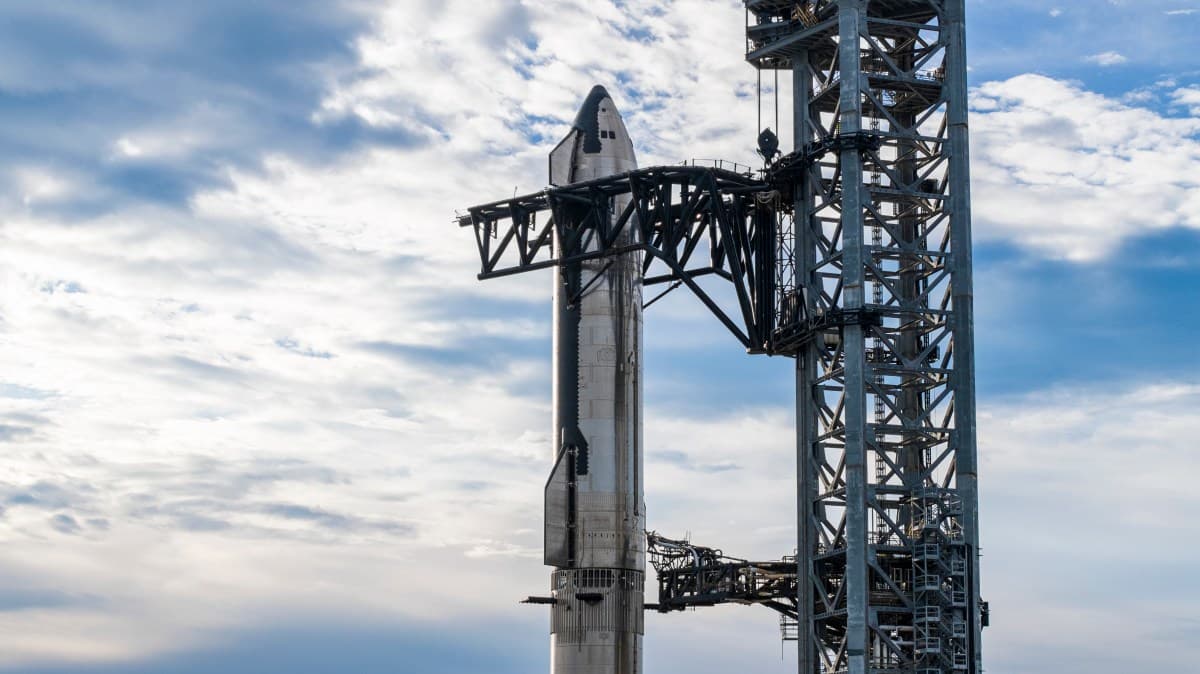
Google is currently in discussions with SpaceX about launching data centers into Earth’s orbit, as reported by TechCrunch. This venture could change how AI workloads are managed, although the costs remain much higher than those for ground-based options.
What’s Actually Being Proposed
The talks between Google’s parent company Alphabet and SpaceX focus on sending physical computing hardware into space. This hardware would handle AI workloads, which include the heavy computational tasks that drive chatbots, image recognition, and language translation. Imagine taking a massive server farm—typically housed in warehouse-sized facilities in remote areas like Nevada or Finland—and putting it on a rocket.
The rationale for this space-based approach isn’t just for show. Satellites in low Earth orbit can potentially send and receive data with lower latency, meaning quicker responses for certain regions. Plus, space offers virtually unlimited room for expansion, avoiding the land, water, and power limitations that ground-based data centers face.
SpaceX would likely utilize its Starship rocket program, the only current launch vehicle capable of transporting the necessary hardware for a functional data center. According to TechCrunch, costs are still significantly higher than those on Earth, making this a long-term investment rather than a quick launch.
Why Google Is Interested
Google has been ramping up its spending on AI infrastructure. Alphabet has pledged over $75 billion in capital expenditures for 2025, with a large portion aimed at data centers and specialized chips that power AI models. However, growth is hitting some hard limits on Earth. Available land, local power grid capacity, and water supplies for cooling systems are becoming significant bottlenecks.
Moving to space could help alleviate some of these issues. There’s no need for land acquisition. Cooling could be achieved by radiating heat directly into the cold of space. Plus, solar power would always be available, unaffected by weather. The engineering challenges are substantial, but Google seems to believe the potential benefits make it worth exploring.
This isn’t the first time Google has thought outside the box for its infrastructure. The company has previously set up data center hardware on barges and invested in subsea fiber cables to control its network backbone.
The SpaceX Angle
A partnership with Google would give SpaceX a significant commercial application for Starship beyond just satellite launches. The company already operates Starlink, a network of internet satellites that provides broadband to remote areas. Collaborating with Google on this orbital computing infrastructure would naturally extend SpaceX’s business, transforming it from a launch provider into a cloud infrastructure partner.
Additionally, this deal would give SpaceX a consistent, high-value customer for regular Starship launches. This is crucial for justifying the rocket’s development costs and achieving its reusability targets.
| By The Numbers: Alphabet / Google | |
|---|---|
| Stock Ticker | GOOGL |
| Stock Price | $402.62 (+3.94%) |
| CEO | Sundar Pichai |
| Headquarters | Mountain View, CA |
| Founded | 1998 |
| 2025 Capex Commitment | $75 billion+ |
| Sector | Big Tech |
What This Means
For everyday users, orbital data centers won’t change how Google Search or Gmail functions right away. But in the next decade, these infrastructure investments could determine whether AI assistants respond in half a second or take two seconds. They could also help Google provide its most powerful AI models in areas lacking reliable connectivity. Moreover, this could allow tech giants to keep expanding their AI ambitions without running out of physical space and power on the ground.
If successful, this initiative might pressure Amazon Web Services and Microsoft Azure—Google’s main cloud competitors—to look into similar ideas, leading to a whole new category of computing infrastructure.
Critics are concerned about the environmental impact. While cooling systems in space may be more efficient, the carbon footprint of frequent rocket launches is considerable. Any serious feasibility study will need to address this issue.
Community Reactions
“The cooling advantages are genuinely interesting—radiating heat into space is way more efficient than running chillers. The launch costs are the problem. Until Starship gets to full reusability, the economics don’t work at scale.”
— u/DatacenterEngineer42, Reddit
“So when the wifi goes down it’s literally a space problem. Great.”
— YouTube commenter on TechCrunch’s coverage
What To Watch
- Starship launch cadence: SpaceX aims for dozens of Starship launches each year. The frequency of these launches will directly affect whether orbital data centers become financially viable. Keep an eye on SpaceX’s upcoming Starship test milestones in mid-to-late 2025.
- Alphabet earnings calls: Look for any references to “alternative infrastructure” or space-based compute in Sundar Pichai’s comments. Executives tend to hint at major strategic moves before making formal announcements.
- Competitor responses: If Amazon or Microsoft show interest in similar projects, it would indicate a real industry shift instead of a casual conversation. AWS has previously collaborated with space companies for ground station services, so an orbital computing announcement wouldn’t be surprising from that side.
- Regulatory questions: The FCC and international bodies regulate what can be placed in orbit. Any formal proposal will require regulatory filings that will become part of the public record.
Sources: TechCrunch

Maya Torres
Maya Torres is the Consumer Tech Editor at Explosion.com with 7 years covering product launches for major technology publications. She has reviewed over 300 devices across smartphones, laptops, wearables, and smart home products. Maya specializes in translating spec sheets into real-world buying advice and attends CES, MWC, and Apple keynotes as press. Her reviews focus on helping readers decide what to buy, not just what specs look good on paper.


