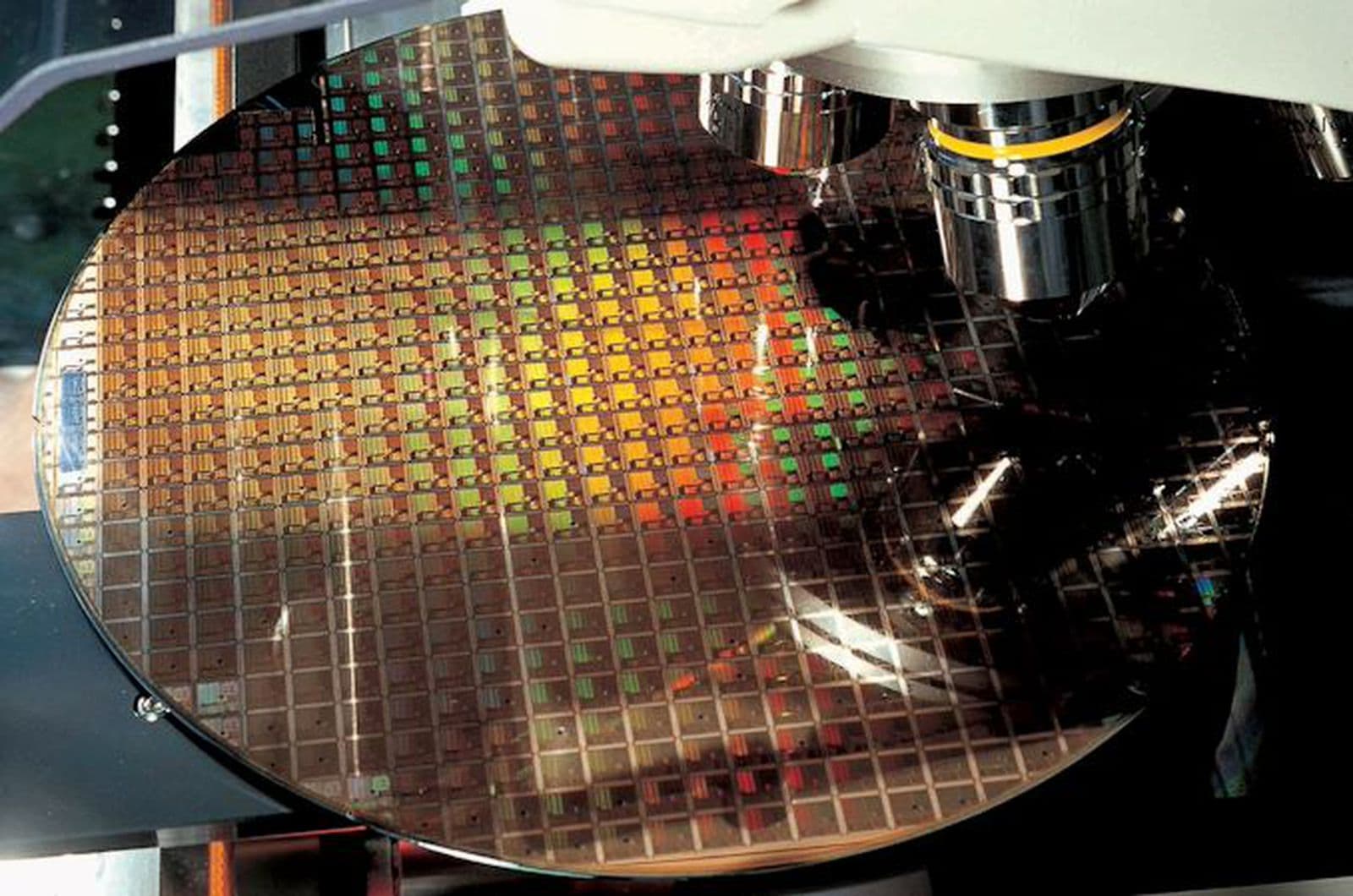
Apple is in early discussions with Intel and Samsung about potentially manufacturing the main processors for its iPhones, Macs, and other devices in the United States, according to a report from Bloomberg released on Monday.
The talks are labeled as “exploratory,” so nothing is set in stone yet. However, the fact that Apple is even exploring these options indicates a shift in how the company views its supply sources for key components.
Why Apple Is Looking for Backup Options
Currently, Apple’s custom chips — the A-series in iPhones and M-series in Macs — are primarily produced by TSMC (Taiwan Semiconductor Manufacturing Company), a Taiwanese firm known for operating the world’s most advanced chip factories. This means Apple’s supply chain is heavily reliant on one company in a single region.
This concentration raises concerns for Apple. According to Engadget, the company worries about its limited supply chain flexibility. If TSMC faces disruptions from geopolitical tensions, natural disasters, or trade policies, Apple would struggle to find alternatives.
Imagine a restaurant sourcing all its ingredients from just one farm. If that farm has a bad season, the entire menu is at risk. Apple wants to avoid that scenario by diversifying its sources.
The timing of these discussions is also important. Trade tariffs and rising political pressure to increase domestic manufacturing have intensified in 2026, prompting major tech companies to consider U.S. production options.
What Intel and Samsung Bring to the Table
Both Intel and Samsung have chip fabrication plants (factories that make semiconductors) in the United States or are in the process of building them.
Intel has been rapidly expanding its U.S. manufacturing footprint and is actively seeking outside customers for its fabrication division, called Intel Foundry. Meanwhile, Samsung, based in Seoul, South Korea, is constructing a significant chip fabrication facility in Taylor, Texas.
However, neither company currently matches TSMC’s manufacturing capabilities for the advanced chips Apple needs. While TSMC’s U.S. plant in Arizona is expected to help Apple mitigate geographic risk, it alone won’t fully diversify its supply chain.
| Samsung — By The Numbers | |
|---|---|
| Ticker | 005930.KS |
| Stock Price | ₩232,500 (+5.44%) |
| CEO | Jong-Hee Han |
| Headquarters | Seoul, South Korea |
| Founded | 1938 |
| Sector | Hardware |
How Realistic Is This?
Getting Apple’s chips manufactured by a new supplier isn’t as simple as switching phone cases. Apple’s chips rank among the most complex semiconductors globally. Qualifying a new chip factory — testing, validating yields (the percentage of operational chips), and integrating it into Apple’s supply chain — can take years.
This is why the discussions are still in the exploratory phase. Apple seems to be trying to gauge what’s possible rather than rushing to sign contracts. MacRumors, referencing the original Bloomberg report, highlights that these conversations are still in their early stages.
Nonetheless, exploratory talks between such large companies carry significance. Apple holds the purchasing power to make a chipmaker’s expansion viable, and both Intel and Samsung have strong incentives to secure Apple as a customer.
What This Means for Everyday Users
In the short term, don’t expect any immediate changes. Your iPhone will continue to run on chips made by TSMC, and that won’t change overnight.
However, in the long run, this supply chain diversification could benefit consumers. A more resilient supply chain means Apple is less likely to encounter chip shortages that could delay product launches or drive up prices. Remember the global chip shortage of 2021 and 2022? That’s exactly the kind of situation Apple wants to avoid.
There’s also a financial angle. If manufacturing shifts to the U.S., production costs might rise initially. Whether Apple will absorb those costs or pass them on to consumers is still uncertain.
Community Reaction
“Intel making Apple chips is something I never thought I’d read in 2026. Wild times. Their foundry business really needs a win.”
— Comment circulating in r/apple discussions
“Samsung already makes their own Exynos chips AND makes chips for other companies. If anyone besides TSMC can handle Apple’s volume, it’s probably them. But the yield rates need to get there first.”
— YouTube commenter on Engadget’s coverage
What To Watch
- Intel Foundry earnings updates (Q2 2026): Intel has been open about the financial challenges facing its foundry business. Any mention of new major customers in upcoming earnings calls could be a signal.
- Samsung’s Taylor, Texas plant timeline: Samsung’s U.S. factory has seen construction delays. Progress updates will be key to knowing if it can realistically meet Apple’s chip needs in the coming years.
- Apple’s annual September event: The chips Apple introduces in its next iPhone lineup will still be TSMC-made, but the architectural choices Apple makes now will impact what any future manufacturing partner must replicate.
- U.S. trade policy developments: Ongoing tariff negotiations could either speed up or complicate Apple’s timeline for moving production domestically.

Daniel Park
Daniel Park covers AI, cloud infrastructure, and enterprise software for Explosion.com. A former software engineer who transitioned to technology journalism 5 years ago, Daniel brings technical depth to his reporting on artificial intelligence, startup funding rounds, and the companies building the future of computing. He breaks down complex AI developments and business strategies into clear, actionable insights for readers who want to understand how technology is reshaping industries.