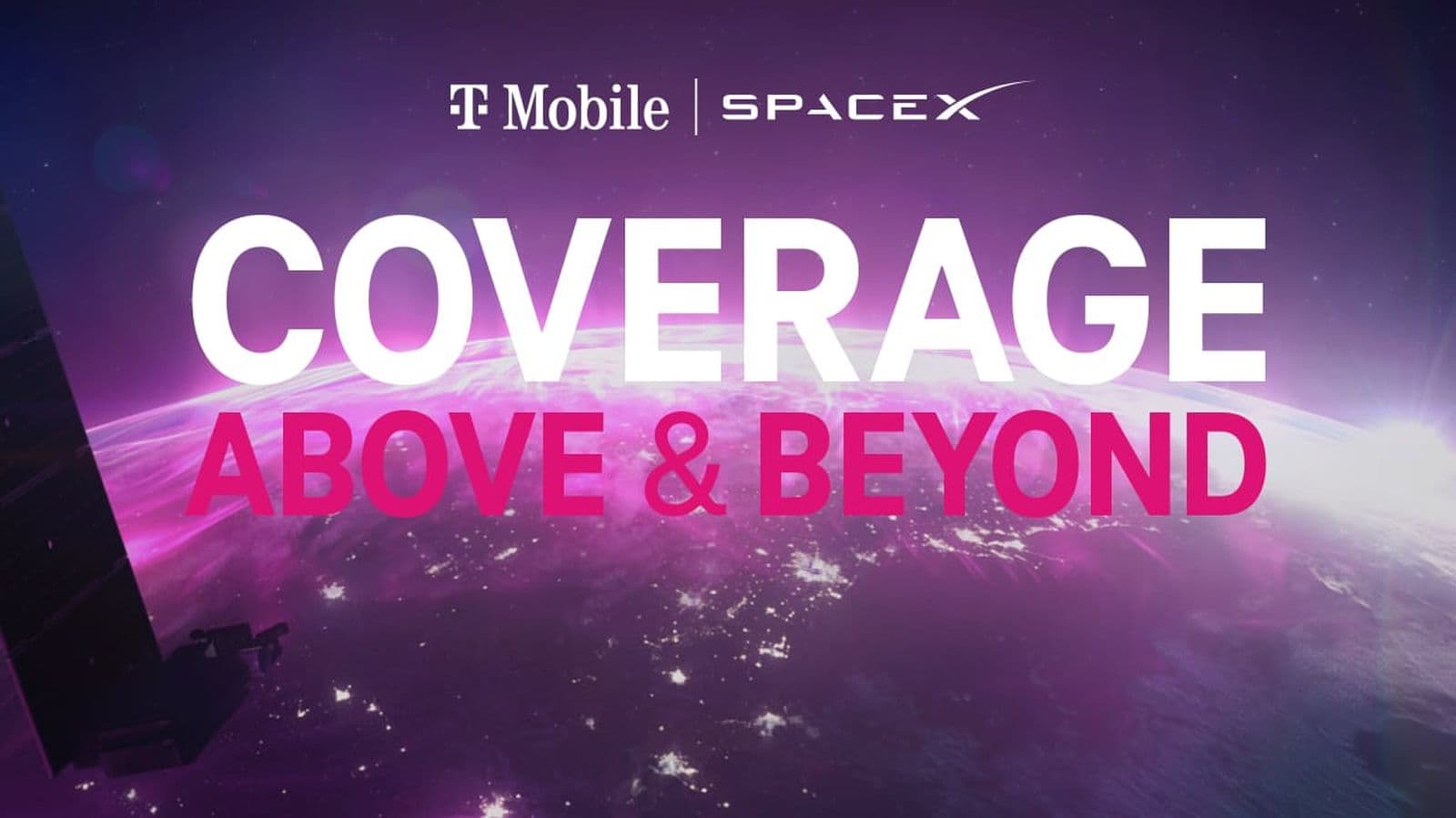
T-Mobile customers heading to Canada or New Zealand can now stay connected via satellite, even without a cell tower nearby. The carrier shared this news this week. This expansion marks the first time T-Mobile’s Starlink-powered satellite service, which utilizes low-Earth orbit satellites to deliver a signal directly to your phone, extends beyond U.S. borders.
What’s Actually Happening Here
T-Mobile has been introducing satellite connectivity across the U.S. through a partnership with SpaceX’s Starlink network since late 2024. This technology allows compatible phones to send and receive texts, and sometimes make calls and access basic data, in areas without traditional cell tower coverage. Think of remote hiking trails, mountain passes, or vast oceans.
Now, that same safety net is available internationally. T-Mobile customers traveling to Canada or New Zealand will automatically enjoy satellite coverage in dead zones. There’s no need to change settings or sign up for a separate plan. It’s like your phone seamlessly switching from Wi-Fi to cellular data when you step outside — but instead, you’re tapping into satellites orbiting 340 miles above Earth.
Which Phones Actually Support This
Not every phone will work with this service. To access satellite connectivity through T-Mobile’s Starlink partnership, your device must support specific radio frequencies. Right now, that means newer iPhones (iPhone 13 and up) and a growing selection of Android devices, including several Samsung Galaxy models and Pixels. T-Mobile has a compatibility checker on its website if you’re unsure about your phone.
It’s also important to clarify what satellite connectivity can and can’t do. This isn’t a full broadband connection. Generally, it serves as a backup for text messages and emergency alerts when you’re completely off the grid. So, streaming Netflix from a remote Canadian lake isn’t the aim here — it’s about ensuring safety and staying reachable when you’re far from civilization.
| Detail | Info |
|---|---|
| New countries added | Canada, New Zealand |
| Previous availability | United States only |
| Satellite partner | SpaceX Starlink |
| Compatible devices | iPhone 13+, select Android models |
| Primary use case | Texts and emergency communication in dead zones |
| Setup required | None — automatic for eligible customers |
What This Means
This change is especially relevant for T-Mobile customers who love the outdoors — hikers, skiers, campers, or road trippers who find themselves in places where their phone usually shows zero bars. Canada and New Zealand have vast wilderness areas with no cellular coverage. In those situations, having a satellite backup can be the difference between a minor inconvenience and a serious emergency.
If you’re an everyday traveler sticking to cities and highways, you might not notice this feature at all. But it’s the kind of quiet upgrade that really matters when things go wrong — like if your car breaks down on a remote road in British Columbia or if you lose your way on a trail in Fiordland National Park in New Zealand. In those moments, being able to send a text that says “I need help” is invaluable.
This also indicates that T-Mobile and SpaceX are serious about international satellite roaming as a genuine product, not just a domestic trial. Canada and New Zealand are likely just the beginning.
What People Are Saying
“Finally. I go camping in BC every summer and there are stretches where I have zero signal for days. Knowing my iPhone can still ping a satellite for an emergency text is genuinely reassuring.”
“Good news for people doing the South Island road trip in NZ. Some of those passes are completely dead zones. This is a smart move by T-Mobile.”
More From The Sources
According to MacRumors, the rollout is already live for T-Mobile customers traveling in both countries. Android Authority describes it as satellite coverage becoming a real safety net for international travelers, noting that no extra action is needed from customers — your phone connects automatically when there’s no terrestrial (ground-based tower) coverage.
What To Watch
- More countries incoming: T-Mobile hasn’t announced the next markets, but Europe and Australia seem like likely candidates. Keep an eye out for news tied to T-Mobile’s quarterly earnings or updates from SpaceX Starlink.
- Competing carriers: AT&T and Verizon are working on their own satellite connectivity partnerships. AT&T is teaming up with AST SpaceMobile, while Verizon has a deal with Skylo. Watching how quickly they catch up to T-Mobile’s international reach will be interesting through 2026.
- Expanded capabilities: T-Mobile has hinted that satellite connectivity will eventually include voice calls and faster data speeds as Starlink’s direct-to-cell satellite fleet grows. No specific dates have been set for these upgrades.

Daniel Park
Daniel Park covers AI, cloud infrastructure, and enterprise software for Explosion.com. A former software engineer who transitioned to technology journalism 5 years ago, Daniel brings technical depth to his reporting on artificial intelligence, startup funding rounds, and the companies building the future of computing. He breaks down complex AI developments and business strategies into clear, actionable insights for readers who want to understand how technology is reshaping industries.