Neurable Aims to Put ‘Mind-Reading’ Tech in Your Next Gadget
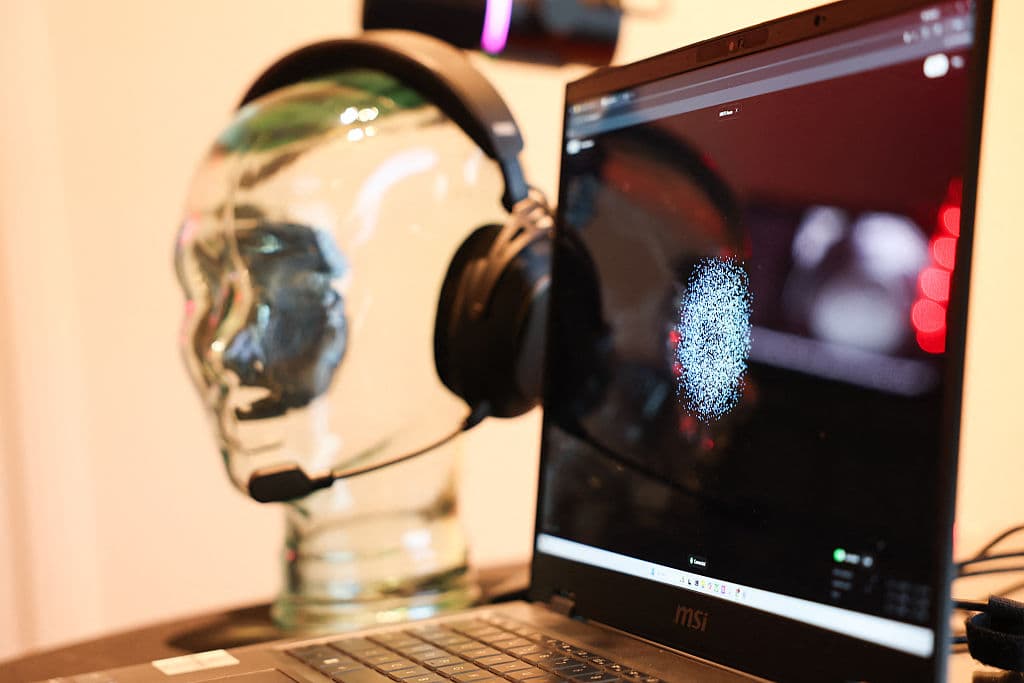
Neurable, a startup specializing in Brain-Computer Interfaces (BCI), is on the hunt to license its “mind-reading” technology for consumer wearables. This could mean advanced neural data collection might soon be part of everyday devices like headphones and smartwatches.
As reported by TechCrunch, this move marks a big step towards making sophisticated brain-sensing features commonplace in our gadgets. Neurable focuses on “non-invasive” neural data collection, which means it captures information about your brain activity without needing any surgical implants.
How Neurable’s ‘Mind-Reading’ Tech Works
When we say “mind-reading,” we’re not talking about magically extracting your innermost thoughts. Neurable’s technology detects and interprets the electrical signals produced by your brain. Picture your brain as a bustling city, constantly sending out tiny electrical pulses as neurons communicate. Neurable’s sensors act like highly sensitive microphones placed on your skin, picking up on these electrical conversations.
This method of neural data collection resembles an electroencephalogram (EEG), which medical professionals use to assess brain activity. Neurable aims to miniaturize and enhance this technology so it can blend seamlessly into consumer products. The CEO envisions a future where this tech unlocks numerous consumer applications, from boosting focus and spotting stress to controlling devices with just your thoughts.
The Broader BCI Landscape
Brain-Computer Interfaces (BCIs) are rapidly advancing and generally fall into two categories: invasive and non-invasive. Invasive BCIs, such as those from Neuralink, require surgical implants directly in the brain. They provide highly precise data but come with substantial risks and are primarily intended for medical applications in people with serious neurological issues.
In contrast, Neurable leads the non-invasive BCI sector. Their focus on external sensors makes their technology more accessible and suitable for widespread consumer use. While non-invasive methods may gather less precise data, they’re safer and more practical for everyday devices, paving the way for a new generation of smart technology.
What This Means for You
The idea of integrating brain-sensing technology into your everyday wearables brings both exciting opportunities and serious questions, particularly about data privacy and security.
Potential Benefits:
-
Enhanced Focus and Productivity: Imagine headphones that can sense when your attention is drifting and offer subtle hints or adjust the audio to help you refocus.
-
Personalized Wellness: Smartwatches could monitor stress levels or cognitive load in real-time, providing timely suggestions for breaks or mindfulness activities.
-
Intuitive Control: In the future, you might navigate menus or control smart home devices with simple mental commands, making interactions smoother and hands-free.
Data Privacy and Security Concerns:
The thought of a device collecting data straight from your brain raises immediate red flags. What kind of neural data will they gather? How will it be stored, used, and safeguarded? Just like personal, financial, or biometric data, protecting brain data is crucial.
Recent incidents, such as the ADT customer data breach and the security issues with AdultFriendFinder, show the ongoing struggle against cyber threats. As AI becomes more integrated, potentially handling tasks like purchases, the need for strong security measures is even more pressing. The FIDO Alliance, Google, and Mastercard are already working to secure transactions against rogue AI agents, as Wired reports. Brain data adds an entirely new and sensitive layer to this issue.
To gain user trust, companies like Neurable must implement strict data protection measures and be transparent about their policies. Regulators will also need to create frameworks for this new realm of personal data.
Community Chatter
The news about Neurable’s licensing efforts has ignited discussions online, mixing excitement with caution:
“This is wild! Imagine controlling your smart home just by thinking about it. No more yelling at Alexa!” — u/TechDreamer27 on Reddit
“Cool concept, but my brain data? Hard pass unless they can *guarantee* it’s not going to end up in some marketing database or worse. We’ve seen how often companies mess up with basic personal info.” — @PrivacyProponent on YouTube
What To Watch
Neurable’s push to license its technology hints that consumer products featuring non-invasive BCI capabilities might be closer than we think. Here’s what to keep an eye on:
-
Product Announcements: Look out for major wearable brands like Apple, Samsung, Google, or specialized audio companies announcing partnerships or integrating similar technology into their next devices.
-
Regulatory Developments: Governments and international organizations will likely start debating and establishing guidelines for the collection, storage, and use of neural data, akin to GDPR or CCPA regulations for personal information.
-
Ethical Discussions: The broader implications of brain-sensing technology, from cognitive enhancement to mental privacy, will become increasingly important topics of public and academic discourse.
The journey from a niche medical tool to a mainstream consumer gadget is just beginning for BCI tech, and Neurable is gearing up to be a key player in this exciting, yet challenging, new era.

Maya Torres
Maya Torres is the Consumer Tech Editor at Explosion.com with 7 years covering product launches for major technology publications. She has reviewed over 300 devices across smartphones, laptops, wearables, and smart home products. Maya specializes in translating spec sheets into real-world buying advice and attends CES, MWC, and Apple keynotes as press. Her reviews focus on helping readers decide what to buy, not just what specs look good on paper.