Hackers Got Data on 5.5 Million ADT Customers by Phishing
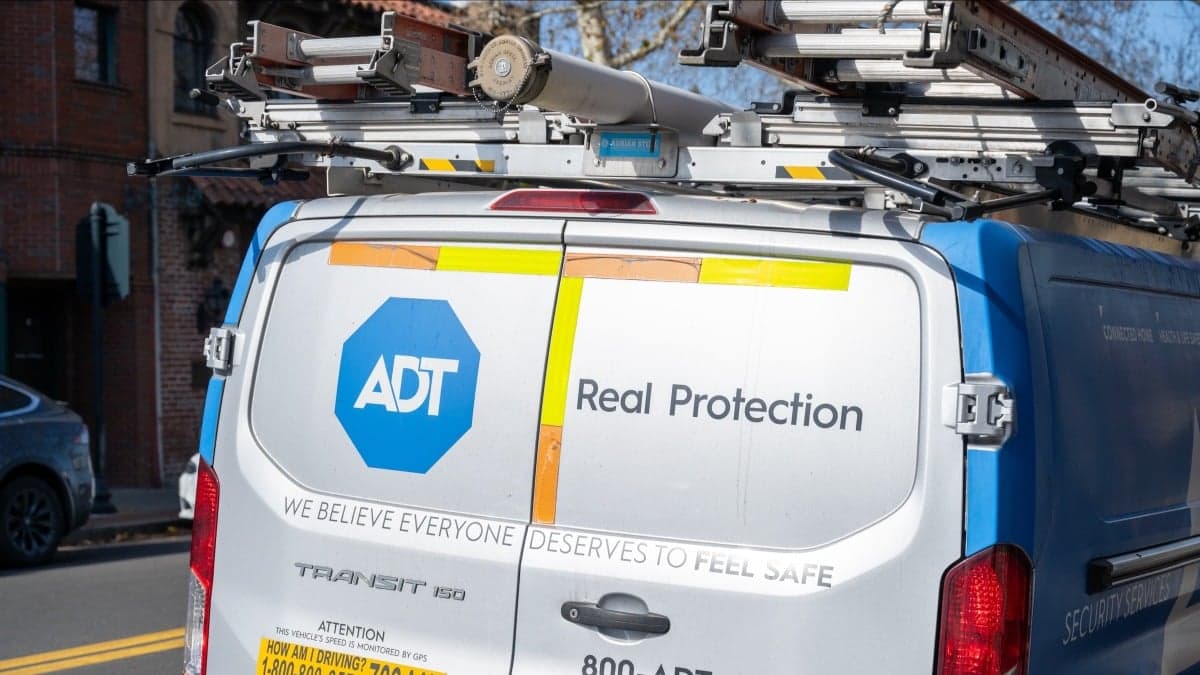
A notorious hacking group called ShinyHunters has reportedly accessed the data of 5.5 million ADT security customers through a phishing attack, according to a recent Mashable report. This breach, which ADT hasn’t fully confirmed yet, underscores the ongoing and growing threat cybercriminals pose to even the most security-conscious companies and their clients.
How the Breach Unfolded
The hacking group ShinyHunters, known for previous data leaks, took responsibility for the ADT breach. They used phishing (pronounced ‘fishing’), a common cyberattack method where criminals deceive individuals into revealing sensitive information. Imagine a digital con artist sending you a fake email or message that looks real – it might appear to come from your bank, a delivery service, or in this case, ADT – aiming to steal your login credentials or personal data.
ShinyHunters reportedly used a “pay or leak” strategy, threatening to publish the stolen customer data if their demands weren’t met. The specific details of the phishing campaign are still emerging, but the impact is clear: the email addresses of 5.5 million ADT security customers are now in the hands of these hackers. Even though this data might seem minor, it can lead to more damaging attacks.
| By The Numbers: ADT Data Breach | |
|---|---|
| Customers Affected | 5.5 million |
| Data Compromised | Customer email addresses |
| Attack Method | Phishing (single-sign-on attack) |
| Hacking Group | ShinyHunters |
The Broader Threat of Phishing
This ADT incident isn’t unique; it’s part of a troubling trend. Phishing remains one of the most effective tools for cybercriminals because it targets the human element, often the weakest link in any security setup. The Federal Trade Commission (FTC) recently reported that consumers lost an astonishing $2.1 billion to social media scams alone in 2025, which marks an eightfold increase in losses. Many of these scams start with simple phishing attempts.
The risk is that once hackers have your email address, they can use it for more targeted and convincing phishing efforts. This approach, known as spear phishing, tailors the scam specifically to you, making it harder to detect. For instance, an ADT customer whose email is now exposed might receive a fake email claiming to be from ADT regarding an account issue, leading them to click a malicious link or share their password.
What This Means for Everyday Users
If you’re one of the 5.5 million ADT customers with a compromised email address, the immediate worry isn’t that your ADT security system has been hacked. Instead, the real concern is becoming a target for future, more sophisticated scams. Your email address is now known to a malicious actor, which could lead to:
- Increased Spam: Expect a rise in unsolicited emails, many of which could be harmful.
- Targeted Phishing: Scammers may impersonate ADT or other services you use, trying to trick you into giving away passwords, financial details, or personal information.
- Identity Theft Risk: Although only email addresses were confirmed in this breach, a successful follow-up phishing attack could lead to more serious data theft, including financial information or social security numbers, crucial for identity theft.
It’s like leaving your front door unlocked in a neighborhood where a known thief is operating. They might not have gotten in yet, but the risk of a break-in has definitely gone up.
Community Reactions
“Another day, another breach. My inbox is already a minefield of spam, and now I have to worry about more targeted attacks? Companies need to step up their security game.”
— SecureSavvy, Reddit user
“This is why I use unique passwords for EVERYTHING and 2FA whenever I can. An email address is a key to so much; people really need to be careful.”
— TechWatcher, YouTube comment
Protecting Yourself After a Breach
While ADT works to manage the breach, here are important steps you can take to protect yourself:
- Be Hyper-Vigilant: Examine every email, especially those claiming to be from ADT or other companies you deal with. Watch for typos, unusual sender addresses, or requests for personal information. If you’re unsure, go directly to the company’s official website (by typing the address yourself) instead of clicking links in emails.
- Enable Two-Factor Authentication (2FA): If you haven’t done this yet, turn on 2FA for your ADT account and any other important online accounts. This adds an extra security layer, usually requiring a code from your phone along with your password.
- Use Strong, Unique Passwords: Don’t reuse passwords across different platforms. A password manager can help you create and store strong, unique passwords for all your accounts.
- Update Software: Keep your operating system, web browser, and antivirus software current. These updates often include vital security patches.
What To Watch
The immediate focus will be on how ADT responds and the measures they take to notify affected customers and strengthen their security protocols. We’ll also keep an eye on any further actions by ShinyHunters, as these groups often escalate their threats or release data in stages. Additionally, expect ongoing discussions about the effectiveness of single-sign-on (SSO) systems, which, while convenient, can become a single point of failure if compromised through phishing. As cyber threats grow more sophisticated, both companies need to strengthen their defenses, and users must stay skeptical of unsolicited communications.

Daniel Park
Daniel Park covers AI, cloud infrastructure, and enterprise software for Explosion.com. A former software engineer who transitioned to technology journalism 5 years ago, Daniel brings technical depth to his reporting on artificial intelligence, startup funding rounds, and the companies building the future of computing. He breaks down complex AI developments and business strategies into clear, actionable insights for readers who want to understand how technology is reshaping industries.