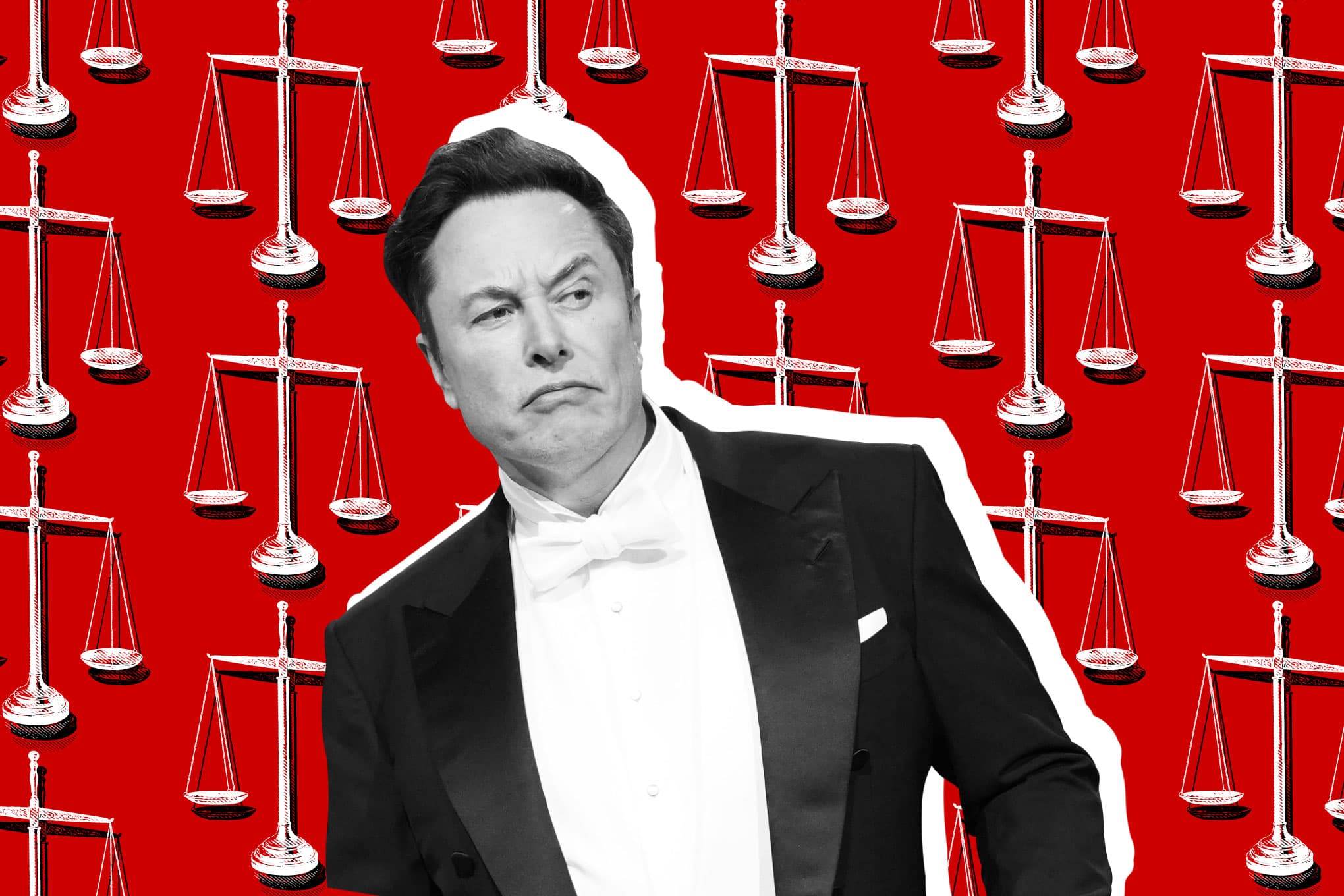
The courtroom clash between Elon Musk and Sam Altman over alleged broken promises at OpenAI officially began on Monday, hitting an immediate hurdle: many prospective jurors already hold a negative view of Musk.
What This Case Is About
Musk is suing Altman and OpenAI, the company behind ChatGPT, claiming they broke the founding promises that led him to co-sign the project. When OpenAI launched in 2015, it operated as a nonprofit with the goal of developing artificial intelligence safely for humanity’s benefit. Musk provided significant early funding and served on the board until he left in 2018.
His main argument is that OpenAI’s shift to a for-profit model — and its close ties with Microsoft, which has invested over $13 billion in the company — undermined those original commitments. Essentially, he claims he financed a public good but ended up with a commercial product instead.
Altman and OpenAI refute this, stating that the organization had to evolve to stay competitive in a costly AI landscape and that Musk’s claims lack legal standing.
The Jury Selection Challenge
Selecting an impartial jury — the standard process of questioning potential jurors to identify bias — should be a straightforward step in any trial. However, this case quickly became complicated.
According to reporting from The Verge’s Elizabeth Lopatto, who was present in the courtroom, several prospective jurors openly shared negative opinions about Musk during their questioning. One exchange captured the mood succinctly: “People don’t like him.”
This reaction isn’t surprising. Musk’s public image has changed drastically in recent years. His purchase of Twitter (now X), his involvement in the Trump administration’s cost-cutting initiative DOGE (the Department of Government Efficiency), and various public controversies have made him a polarizing figure. Finding jurors without strong opinions about him — whether good or bad — is genuinely tough.
Defense attorneys could argue that their client won’t receive a fair trial. Judges typically respond by probing jurors more thoroughly to see if they can set aside personal feelings and focus solely on the evidence presented.
The Importance of OpenAI’s For-Profit Shift
Musk’s legal argument raises a crucial question that goes beyond this courtroom: when a nonprofit organization transitions to a profit-driven model, who holds it accountable?
OpenAI recently announced plans to become a fully for-profit public benefit corporation (a legal structure that aims to balance shareholder profit with a social mission). This transition is still in progress and is under review by attorneys general in California and Delaware. Musk’s lawsuit is one of several legal challenges attempting to delay that process.
If Musk wins, it could hinder or completely block OpenAI’s restructuring. If OpenAI prevails, it would clear a major legal obstacle on its way to adopting a more conventional corporate structure — and potentially preparing for an IPO.
| Detail | Figure |
|---|---|
| OpenAI founding year | 2015 |
| Microsoft investment in OpenAI | $13+ billion |
| Musk departure from OpenAI board | 2018 |
| OpenAI valuation (as of early 2025) | ~$300 billion |
| State AGs reviewing OpenAI restructuring | 2 (California, Delaware) |
Implications of the Case
For regular users of ChatGPT or any OpenAI product, the trial’s outcome could influence the company’s direction and ownership structure. A for-profit OpenAI is more likely to focus on revenue, investor returns, and competitive positioning. A nonprofit — or one with stronger nonprofit constraints — operates under a different set of pressures.
More broadly, this case tests whether early promises made to secure funding and talent in the AI sector have any legal weight. Many AI companies began with idealistic mission statements, and now a jury will decide how binding those commitments are.
Reactions
“This trial is less about law and more about two billionaires arguing over who gets to own the future of AI. Either way, we’re the ones using the product.”
“The jury selection stuff is wild. You’d have a hard time finding 12 people in America who don’t have opinions about Elon Musk at this point.”
What To Watch For
- Completion of jury selection: The court needs to finalize a full jury before opening arguments can commence. Given the challenges seen on day one, this might take longer than anticipated.
- Review of OpenAI restructuring: California and Delaware attorneys general are independently evaluating OpenAI’s shift to for-profit. Their findings could overlap with the trial’s results.
- Musk’s legal standing: A key question the judge may consider is whether Musk has enough legal standing — a direct enough stake — to pursue this case. If the court decides he doesn’t, the lawsuit could be dismissed before reaching a verdict.
- Precedent for AI nonprofits: Regardless of the outcome, legal experts are closely watching this case for indications on how courts might view founding documents and mission statements at other AI organizations.

Daniel Park
Daniel Park covers AI, cloud infrastructure, and enterprise software for Explosion.com. A former software engineer who transitioned to technology journalism 5 years ago, Daniel brings technical depth to his reporting on artificial intelligence, startup funding rounds, and the companies building the future of computing. He breaks down complex AI developments and business strategies into clear, actionable insights for readers who want to understand how technology is reshaping industries.