European regulators are urging Google to allow competing AI assistants to operate on Android alongside Gemini. Google, however, calls this push an “unwarranted intervention” in how it develops its products.
What the EU Is Demanding
The European Commission believes Google’s practice of favoring Gemini, its built-in AI assistant, on Android devices might violate the Digital Markets Act (DMA). This extensive EU law requires large tech platforms to promote competition. Under the DMA, companies labeled as “gatekeepers” must enable rival services to function as smoothly as their own.
In simple terms, this means Android phones sold in Europe might need to let users set third-party AI assistants, like ChatGPT or Perplexity, as the default. These assistants would need the same system-level access that Gemini currently has. Presently, Gemini is deeply integrated into Android. It can read your screen, manage apps, and respond to the phone’s hardware button. Third-party assistants face challenges in achieving the same level of functionality.
Google’s Response
Google isn’t staying silent on this issue. The company told Ars Technica that the EU’s stance is an unwarranted intervention. Google argues that Gemini’s integration is a key feature of its platform and not an anticompetitive tactic. They also warn that opening access to deep system functions could pose security and privacy risks for users.
This isn’t the first time Google has faced such pressure in Europe. Between 2017 and 2019, the company paid over $8 billion in EU antitrust fines concerning Android and Google Search. It also had to provide browser and search choice screens to European users as a result.
Why Gemini Has an Unfair Advantage — According to Brussels
Imagine a shopping mall where the landlord owns the most popular store, gives it the best location and easiest parking, while requiring other stores to use back entrances. That’s how regulators view Gemini’s position on Android.
Since Google creates both the operating system and the AI assistant, Gemini benefits from integrations that outside developers can’t easily copy. It activates when you hold the power button, can see what’s on your screen, and comes pre-installed on nearly every Android device shipped worldwide.
| Alphabet / Google — Company Snapshot | |
|---|---|
| Ticker | GOOGL |
| Stock Price | $348.77 (-0.30%) |
| CEO | Sundar Pichai |
| Founded | 1998 |
| Headquarters | Mountain View, CA |
| Sector | Big Tech |
What This Means for Everyday Users
If the EU is successful, Android users in Europe could enjoy a real choice of AI assistants. This means not just downloading an app but also setting ChatGPT or another assistant as the default assistant that responds to voice commands or on-screen requests. That’s a significant improvement from the current situation, where switching from Gemini often means losing many of its useful features.
Outside Europe, this ruling likely wouldn’t have immediate effects. However, tech regulations that start in the EU often spread to other regions. For instance, Apple first opened up iPhone sideloading in Europe, and similar pressures are now emerging in the U.S. If Google has to open Android’s AI layer in Europe, it may soon face similar demands elsewhere.
For the average Android user, the immediate impact is small. But if this goes the EU’s way, choosing your AI assistant could eventually become as routine as picking your default browser.
Community Reaction
“The problem isn’t that Gemini exists, it’s that there’s no real way to fully replace it. I want Claude to do everything Gemini does natively. That’s what choice actually means.”
“Google will comply with the letter of the law and nothing else. They’ll add a choice screen buried in settings and call it done. We’ve seen this movie before.”
The Bigger Picture
This dispute is part of a larger struggle over who controls the AI layer of smartphones. Apple is dealing with similar issues regarding Siri and Apple Intelligence. Microsoft has integrated Copilot into Windows. In each case, the company that owns the operating system also controls the AI assistant, raising questions among regulators about whether this is a coincidence or a deliberate strategy.
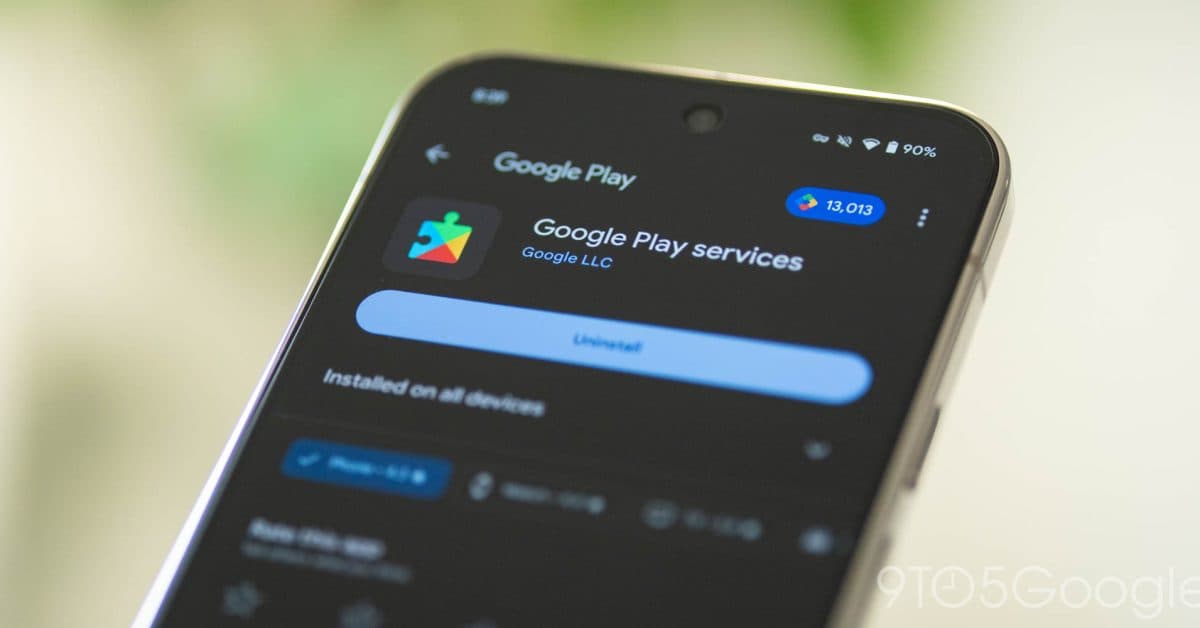
This year, Google has aggressively expanded Gemini’s reach across Android. April’s Android system updates continued this trend, with Gemini gaining new capabilities through Google Play Services updates that happen quietly in the background.
What To Watch
- EU formal proceedings: If the European Commission transitions from investigation to formal charges under the DMA, Google could face fines of up to 10% of its global annual revenue — which might exceed $30 billion based on recent figures.
- Google’s compliance proposal: Google may suggest a remedy before any ruling, similar to the search choice screen it introduced after previous antitrust decisions. Keep an eye out for an announcement in the coming months.
- U.S. spillover: The Department of Justice’s ongoing antitrust case against Google’s search business already involves default agreements. AI assistant defaults could become the next battleground.
- Rival AI makers: If interoperability rules take effect, companies like OpenAI, Anthropic, and Perplexity would benefit on Android — watch for partnerships or announcements that position them for this opportunity.

Daniel Park
Daniel Park covers AI, cloud infrastructure, and enterprise software for Explosion.com. A former software engineer who transitioned to technology journalism 5 years ago, Daniel brings technical depth to his reporting on artificial intelligence, startup funding rounds, and the companies building the future of computing. He breaks down complex AI developments and business strategies into clear, actionable insights for readers who want to understand how technology is reshaping industries.