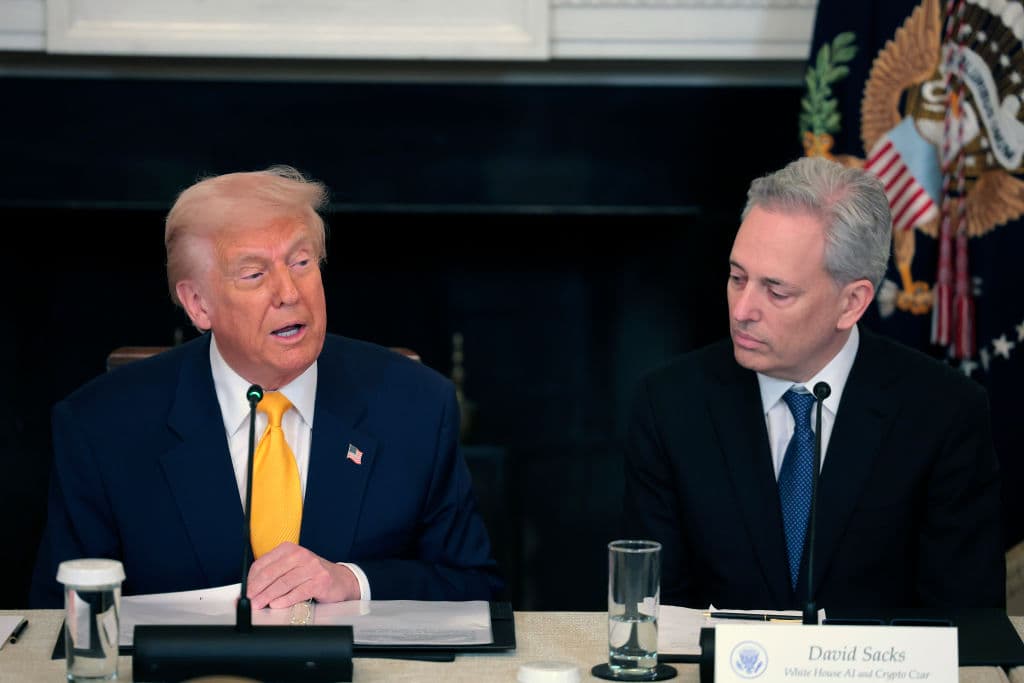
David Sacks, the venture capitalist who connected Silicon Valley to the White House, has resigned from his role as the Trump administration’s AI and Crypto Czar, he confirmed on Thursday. By stepping down, Sacks no longer holds the title of Special Government Employee. This change puts him further from Washington’s power center than at any time since the administration began.
Who Is David Sacks and Why Did This Role Matter?
If you haven’t been keeping up with tech policy news, here’s a brief overview: Sacks is a well-known venture capitalist in Silicon Valley and a key figure in the so-called “PayPal Mafia” — a group of entrepreneurs who helped build PayPal, including Elon Musk and Peter Thiel. He was an early supporter of Donald Trump’s 2024 campaign, and when Trump won, Sacks took on a powerful informal role: White House AI and Crypto Czar.
This position made him the main driver behind the administration’s efforts to establish the U.S. as a global leader in artificial intelligence. Think of it as being the chief tech lobbyist, but with an office in the White House. He influenced executive orders, shaped policy decisions, and served as the primary link between the fast-paced tech industry and the federal government.
Now that he’s gone, the direct connection between Silicon Valley’s major players and the Oval Office is much weaker.
What Sacks Is Doing Next
According to reports from TechCrunch and The Verge, Sacks is heading back to the private sector full-time. While the specifics of his next step aren’t clear yet, it’s evident that he’s stepping away from any government advisory role, meaning he’s free from the ethics rules and disclosure requirements that came with being a Special Government Employee.
The timing is interesting. The administration has laid much of the groundwork for its AI policies — executive orders are signed, and the overall direction is set. Sacks seems to be stepping back now that the foundation is laid instead of sticking around for daily operations.
What This Means for AI Policy
The big question is who, if anyone, will take over Sacks’ role. His position was never a Senate-confirmed cabinet role; it was an informal advisory position that relied heavily on Sacks’ personal connections and credibility within the tech sector.
Without a clear successor, AI and crypto policy decisions may end up being scattered across various agencies, like the Commerce Department and the new AI Safety Institute. This shift could lead to a lack of coordination. For tech companies used to having a prominent figure to engage with in Washington, this change alters how they navigate the landscape.
| Detail | Info |
|---|---|
| Official Title | White House AI and Crypto Czar |
| Employment Status | Special Government Employee (part-time, unpaid) |
| Role Start | January 2025 (start of second Trump term) |
| Role End | March 2026 |
| Background | Venture capitalist, PayPal Mafia alumni |
| Successor Named | No |
What This Means for Everyday Users
In the short term, you probably won’t see immediate changes to the AI tools you use daily. ChatGPT will still function the same way tomorrow, and your crypto exchange won’t suddenly change overnight.
However, in the next 12 to 24 months, the lack of a dedicated AI policy coordinator could have an impact. Sacks advocated for a regulatory approach that generally allowed American AI companies to innovate quickly with fewer restrictions. This strategy aimed to keep the U.S. ahead of China in the global AI race. Without that unified voice, different factions within the government may push for varying policies. This uncertainty could slow down the development of new AI regulations, affecting everything from data handling by AI companies to the types of AI tools allowed in schools and workplaces.
Community Reaction
“Sacks got what he came for. The deregulation framework is set. Now he goes back to making money off the same AI companies he just helped clear the runway for.”
“Honestly surprised he lasted as long as he did. These czar roles almost never last more than a year before the person realizes they have zero actual authority and goes home.”
What To Watch
- Successor announcement: The White House hasn’t named a replacement yet. Keep an eye on whether they create a formal, Senate-confirmed AI policy role or just spread responsibilities across existing agencies.
- Sacks’ next move: He’s expected to dive back into venture capital full-time. Any new fund or major investments in AI companies will likely draw attention, given his recent policy influence.
- Upcoming AI legislation: Several AI-related bills are still in Congress. Without a central White House coordinator, their progress may become less predictable in the coming months.
- International AI policy: The EU’s AI Act is already in effect. With U.S. AI policy now less centralized, watch how American companies adjust to the widening gap between U.S. and European regulations.

Ava Mitchell
Ava Mitchell is a digital culture journalist at Explosion.com covering social media platforms, streaming services, and the creator economy. With 4 years reporting on TikTok, Instagram, YouTube, and the apps that shape daily life, Ava specializes in explaining platform policy changes and their impact on everyday users. She previously managed social media strategy for a tech startup, giving her firsthand experience with the platforms she now covers.