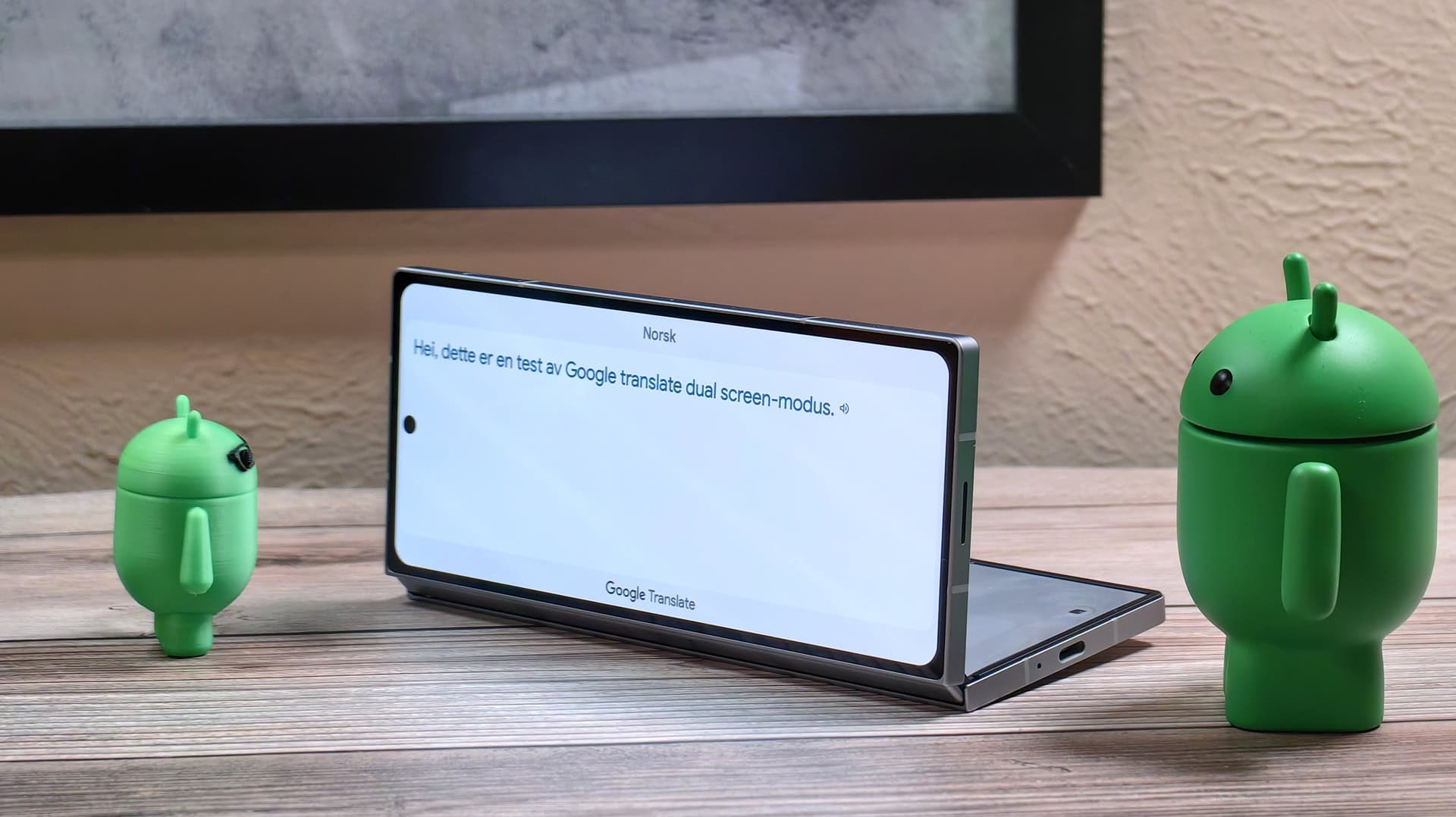
Google Translate just turned 20, and it’s celebrating with a highly requested feature: an AI-powered pronunciation practice tool. This nifty addition listens to you speak and highlights where you might be going wrong.
| By The Numbers: Google Translate at 20 | |
|---|---|
| Launch Date | April 28, 2006 |
| Years in Service | 20 |
| Parent Company | Alphabet/Google (GOOGL) |
| Stock Price | $349.36 (-0.28%) |
| CEO | Sundar Pichai |
| HQ | Mountain View, CA |
| New Feature | Pronunciation Practice (AI-powered) |
What’s New and How It Works
The “pronunciation practice” feature allows you to read a translated phrase out loud in the Google Translate app. The AI analyzes your speech in real time, giving you instant feedback on which sounds you nailed and which ones need work. This way, you can practice before trying it out in a real conversation.
Think of it as having a patient language tutor right in your pocket. You type or paste a phrase, get the translation, and then practice saying it until the app confirms you’ve got it right. The feedback is detailed, offering guidance on exact syllables or sounds that might be tripping you up.
Google claims pronunciation practice is one of the most requested features in Translate’s history. That makes sense. Anyone who’s used the app to prep for a trip knows that reading a translation is one thing; sounding like you know what you’re saying is another.
Why This Is a Bigger Deal Than It Sounds
Most translation apps, including earlier versions of Google Translate, focused mainly on getting the words right. They could tell you that “thank you” in Japanese is “arigatou gozaimasu,” but they couldn’t evaluate how closely your pronunciation matched.
Pronunciation often trips up people using self-study tools. Apps like Duolingo have provided basic speech recognition for years, but their feedback has generally been quite blunt. Google is stepping up by using its AI models to offer more specific guidance, similar to what you’d get from a human teacher or a language exchange partner.
For casual travelers, this could mean the difference between confidently ordering at a restaurant and awkwardly pointing at the menu while the waiter waits. For serious language learners, it’s a free boost to paid tools like Pimsleur or Rosetta Stone, which have charged for similar pronunciation coaching for years.
Availability
The pronunciation practice feature is rolling out now in Google Translate. According to The Verge, the tool is available starting today. As with most Google feature rollouts, it might take a little time to reach all users based on their region and app version. Google hasn’t specified how many languages the pronunciation tool supports at launch, so your experience may vary depending on the language you’re practicing.
This anniversary update also comes with other enhancements to Translate, like AI-powered contextual translations and a redesigned iOS app, as noted by 9to5Google.
What This Means
For everyday users, this is a genuinely useful addition to an app most people already have on their phones. If you’ve ever practiced a phrase using Google Translate and weren’t sure if you pronounced it correctly, now you’ll know. This tool effectively fills the feedback gap that’s often missing in DIY language prep.
It won’t replace comprehensive language learning apps or real conversation practice, but it’s a solid upgrade for anyone using Translate as a travel companion or quick-reference tool. And since it’s built into an app that’s already free and on billions of devices, using it is incredibly easy.
As Engadget points out, this feature harnesses AI speech analysis for real-time feedback, which is the same technology behind Google’s accurate voice recognition across many languages.
Community Reactions
“Finally! I’ve been using Translate to prep for trips for years and always had no idea if I was even close. This is the one feature I actually wanted.”
— Reddit user, r/languagelearning
“Okay, but how strict is it? If it’s anything like Duolingo’s speech recognition, it’ll either accept anything or reject a perfect native accent for no reason.”
— YouTube commenter on Android Authority’s coverage
What To Watch
- Language support expansion: Google hasn’t confirmed the full list of supported languages at launch. Keep an eye out for announcements on whether less common languages will get the pronunciation tool.
- Competitor response: Duolingo and Apple, both heavily invested in AI language tools, might feel pressure to match or exceed this level of pronunciation feedback.
- Feature depth: Early user reports will reveal a lot about the accuracy and usefulness of the feedback. If the AI is too lenient or strict, expect Google to adjust it in a future update.
- Platform rollout: Confirm that the feature is live on both Android and iOS, as Google sometimes staggers releases between platforms.

Daniel Park
Daniel Park covers AI, cloud infrastructure, and enterprise software for Explosion.com. A former software engineer who transitioned to technology journalism 5 years ago, Daniel brings technical depth to his reporting on artificial intelligence, startup funding rounds, and the companies building the future of computing. He breaks down complex AI developments and business strategies into clear, actionable insights for readers who want to understand how technology is reshaping industries.