
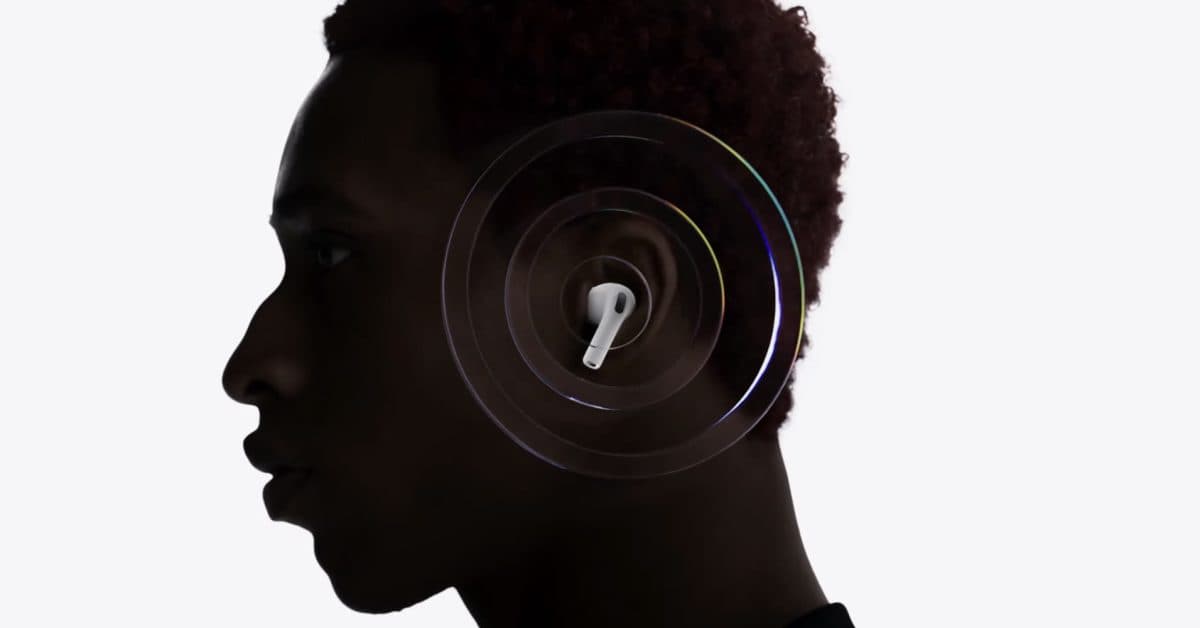
iPhone users can now access Google Translate for real-time spoken translations through their headphones in over 70 languages. Google has rolled out its live headphone translation feature to iOS and more countries.
This feature allows two people to converse naturally in different languages while hearing translated audio straight in their earbuds. Until now, it was only available on Android. Now, it works with any Bluetooth headphones linked to an iPhone, including AirPods.
How It Actually Works
Imagine having a live interpreter right in your ear. As you and another person talk, Google Translate picks up the conversation through your phone’s microphone and sends translated audio to your headphones almost instantly. The system keeps the speaker’s tone, emphasis, and natural rhythm, making it easier to follow the conversation.
You don’t need any special devices. If you have the Google Translate app on your iPhone and a pair of Bluetooth headphones, you’re all set. The person you’re talking to doesn’t even need a smartphone — they can just speak normally while you listen through your earbuds.
Why This Matters Now
Real-time translation has been around in various forms for years. Traditionally, it required both parties to look at a screen or pass a phone back and forth. This method can be awkward in real conversations. By moving translation audio into headphones, Google removes that hassle. You can maintain eye contact and have a natural exchange without being glued to a phone screen.
The rollout to iOS is important because iPhone users make up a large share of smartphone owners in major markets like the United States, United Kingdom, Japan, and Australia. Plus, the feature is launching in more countries, giving travelers, healthcare workers, educators, and anyone who communicates across language barriers much better access.
| By The Numbers: Alphabet / Google | |
|---|---|
| Languages Supported | 70+ |
| Stock (GOOGL) | $274.34 (-2.36%) |
| Company Founded | 1998 |
| CEO | Sundar Pichai |
| Headquarters | Mountain View, CA |
| Sector | Big Tech |
What This Means for Everyday Users
If you’ve ever struggled with a translation app at a restaurant, in a hospital, or during a business trip, this feature hits at the heart of the issue: translation apps often disrupt the flow of conversation.
With live headphone translation, you hear what someone says almost immediately after they finish speaking. You reply in your own language, and the app takes care of the rest. It’s more like having a human interpreter with you than anything Google Translate has offered to iPhone users before.
For travelers, the benefit is clear. But this feature is also useful for families where members speak different languages, customer service workers managing multilingual interactions, and medical staff communicating with patients who don’t share a common language.
One limitation to keep in mind: both speakers need to be close to the phone’s microphone for clear audio. It’s not yet ideal for loud environments like concerts or busy streets.
Community Reactions
“Finally! Android users have had this for a while, and I kept seeing videos of people using it at airports. Glad it’s on iPhone now; I’m testing it next week in Tokyo.”
— u/traveltech_nerd, Reddit
“The cadence preservation is key. Old translation apps made everyone sound robotic. If this keeps the natural speech pattern, it could actually be usable.”
— YouTube comment on 9to5Mac coverage
How to Use It
To get started, open the Google Translate app on your iPhone. Select your language and the language of the person you’re speaking with, connect your Bluetooth headphones, and tap conversation mode. Google says this feature is available now in the latest app version.
Sources: 9to5Mac, TechCrunch
What To Watch
- Offline support: Right now, the feature needs an internet connection. Google has added offline translation for text before, so offline audio translation could be next.
- AirPods integration: Apple has its own translation features in AirPods Pro. It’ll be interesting to see if Google and Apple deepen their integration or compete more directly.
- Country rollout progress: Google has confirmed it’s expanding to more countries but hasn’t released a complete list. Expect more regions to be added soon.
- Competing features: With WhatsApp also updating its cross-platform tools this month and Apple likely to enhance AirPods capabilities in future iOS updates, the live translation landscape is evolving quickly in 2026.

Daniel Park
Daniel Park covers AI, cloud infrastructure, and enterprise software for Explosion.com. A former software engineer who transitioned to technology journalism 5 years ago, Daniel brings technical depth to his reporting on artificial intelligence, startup funding rounds, and the companies building the future of computing. He breaks down complex AI developments and business strategies into clear, actionable insights for readers who want to understand how technology is reshaping industries.


