
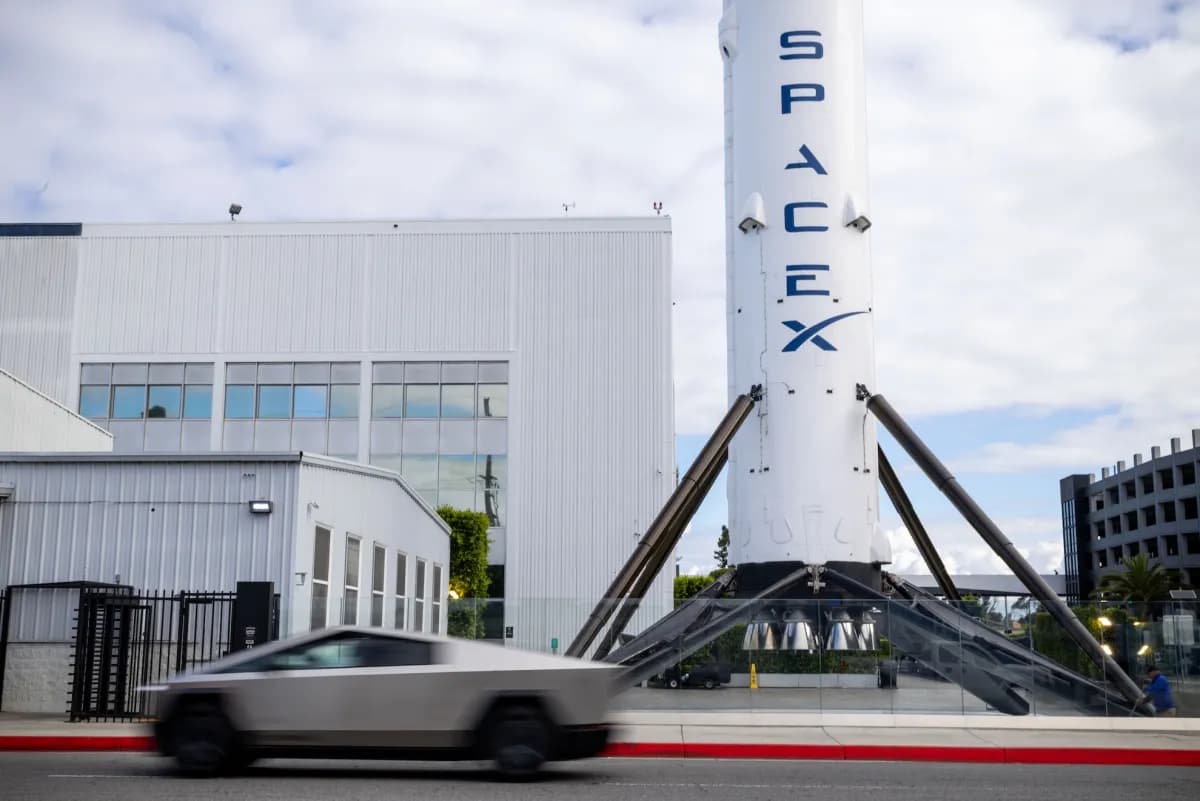
The Federal Communications Commission (FCC), the U.S. agency overseeing radio and satellite communications, has greenlit SpaceX’s ambitious plan to launch up to 1 million satellites for AI data centers in orbit. This approval pertains to a system known as Starmind, as reported by Mashable. However, astronomers and critics are concerned that this initiative could jeopardize scientific research.
What the FCC Approved
A data center is essentially a large facility filled with computers that manage data and run software, including the AI tools many people use every day. Currently, these centers are grounded and consume significant amounts of electricity. SpaceX aims to relocate this computing power to satellites.
You can think of it as moving a city’s power plants from the ground up into the sky. The computing still occurs, but the infrastructure is in a different location. Advocates for orbital computing often highlight the constant sunlight available in space as a potential energy source.
The scale of this project stands out. One million satellites is a figure far beyond what the FCC typically considers for a single operator. The approval allows for this ceiling but doesn’t guarantee that all will be launched.
Why the FCC Dismissed Some Concerns
Opponents voiced several worries, particularly regarding impacts on scientific research. As TechCrunch reports, the FCC brushed off some of these key concerns, stating they were beyond its regulatory authority.
In simple terms, the agency explained that certain raised issues aren’t within its purview. The FCC’s focus is on areas like radio spectrum (the invisible waves devices use to communicate) and satellite licensing. This raises questions about which government body, if any, will address the broader implications.
By The Numbers
| Detail | Info |
|---|---|
| Approving agency | Federal Communications Commission (FCC) |
| Company | SpaceX |
| System name | Starmind |
| Satellites approved | Up to 1,000,000 |
| Purpose | AI data centers in orbit |
| Main objection | Impact on astronomy and scientific research |
Why Astronomers Are Concerned
Satellites reflect sunlight, and many orbit close enough to Earth that they appear as bright streaks in telescope images. Astronomers have expressed these concerns about large satellite networks for years. A system that’s many times larger than anything currently in orbit amplifies these worries, according to objections detailed by Mashable.
One astrophysicist bluntly told CNET: “I think this is a mistake.”
What People Are Saying
The most vocal reactions have come from the scientific community. The quote from the CNET astrophysicist reflects a sentiment shared by many astronomers who raised objections during the FCC review process. We decided not to include social media reactions here since we couldn’t verify specific Reddit or YouTube comments at the time of publication.
What This Means
For most people, nothing changes immediately. You won’t see a million satellites overnight, and this approval serves as a license rather than a launch. However, this decision could have implications over time:
- AI services: The chatbots, image tools, and other AI features you rely on depend on data centers. If orbital computing proves effective, it could become an additional site for that work. It’s unclear from the sources whether this would make these services cheaper or faster.
- The night sky: Astronomers worry about what telescopes can detect, which affects our understanding of space. Stargazers might also notice satellites becoming more visible.
- Rules for space: The FCC’s choice to dismiss certain concerns highlights a gap. When plans impact science, the environment, and communications, no single agency may be equipped to evaluate all aspects.
What To Watch
- Launch plans: The sources provided don’t outline a deployment schedule. Keep an eye out for SpaceX to announce when and how it will begin developing Starmind.
- Challenges to the decision: Groups that opposed the plan might seek other avenues to express their concerns, potentially involving other agencies or Congress.
- Astronomy responses: Scientific organizations may release new evaluations on how a system of this size could impact observations.
- Technical proof: The approval doesn’t guarantee that AI data centers can function reliably in orbit at this scale. Real-world demonstrations will be essential.
For now, the FCC has given SpaceX the go-ahead. How many satellites actually launch will depend on engineering, economics, and whether other agencies address the unanswered questions left by the FCC.

Ava Mitchell
Ava Mitchell is a digital culture journalist at Explosion.com covering social media platforms, streaming services, and the creator economy. With 4 years reporting on TikTok, Instagram, YouTube, and the apps that shape daily life, Ava specializes in explaining platform policy changes and their impact on everyday users. She previously managed social media strategy for a tech startup, giving her firsthand experience with the platforms she now covers.